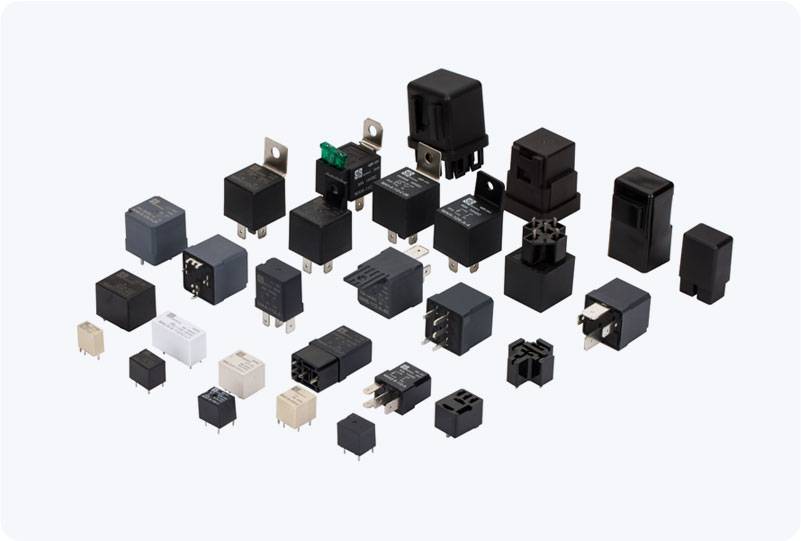
Relays are crucial components in modern electrical and electronic systems, serving as automatic switches to control circuits by opening or closing contacts in response to an electrical signal. As industries and consumers alike grow more conscious of safety, environmental sustainability, and compliance with global standards, the need for CE ROHS certified relays has surged. This article will explore the significance of CE and RoHS certifications in relays, their impact on manufacturing processes, and why these certifications are essential for meeting regulatory standards.
What is a CE Certification? The CE mark, which stands for “Conformité Européenne” (European Conformity), is a mandatory certification for products sold within the European Economic Area (EEA). It signifies that the product has met the health, safety, and environmental protection standards required by the European Union (EU) legislation. In the context of relays, a CE certification ensures that the relay complies with the relevant EU directives, such as the Low Voltage Directive (LVD) and the Electromagnetic Compatibility (EMC) Directive. These directives are critical in ensuring that electrical equipment is safe for use and does not pose a hazard to people or the environment.