Category Archives: Industry News

electromechanical switch: a blend of mechanical precision and electrical control

In the world of electrical engineering, the electromechanical switch stands as a key component that bridges the gap between mechanical control and electrical function. This versatile device plays an integral role in a wide range of applications, from household appliances to industrial machinery. While its design may seem simple, its operation involves a combination of mechanical and electrical principles that offer both reliability and functionality. This article explores the structure, working principle, advantages, disadvantages, and applications of electromechanical switches.

Electromechanical Switch

What is an Electromechanical Switch? An electromechanical switch is a device that uses mechanical action to control the flow of electrical current. It functions by either physically opening or closing a set of contacts, allowing or interrupting the passage of current through an electrical circuit. Unlike purely electronic switches, which rely on semiconductor components, electromechanical switches involve moving parts—typically metal contacts—that engage or disengage when actuated. These switches are available in various designs, including toggle, push-button, rotary, and slide configurations, each serving different needs.

understanding plastic solenoid valves: applications, benefits, and considerations

Plastic solenoid valves are pivotal components in automated control systems, offering reliability and efficiency in fluid management across various industries. These valves leverage the principle of electromagnetism to regulate fluid flow, making them an ideal choice for applications where traditional metal valves may not be suitable. This article explores the construction, benefits, applications, and important considerations when working with plastic solenoid valves.

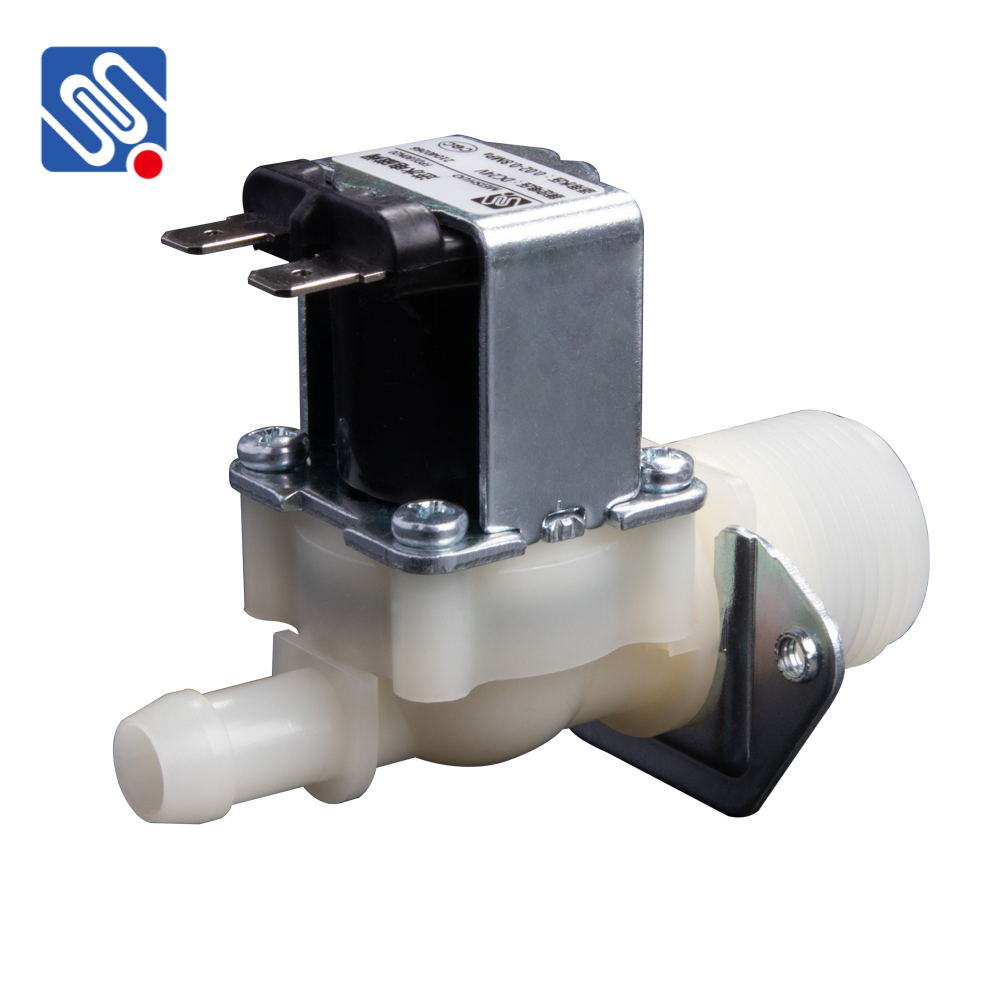
Plastic Solenoid Valve

Construction and Working Principle A plastic solenoid valve typically comprises several key components: an electromagnetic coil, a valve body made from durable plastic materials, a movable plunger or valve core, and a spring mechanism. When an electric current flows through the coil, it creates a magnetic field that draws the plunger toward it, resulting in the opening or closing of the valve. Depending on the design, solenoid valves can either be normally open (NO) or normally closed (NC). In a normally open valve, the valve is in an open position when not energized, while it closes when power is applied. Conversely, a normally closed valve remains shut until electrical power activates it, allowing flow.

china electrical equipment lockouts odm suppliers: driving safety and innovation in industrial solutions

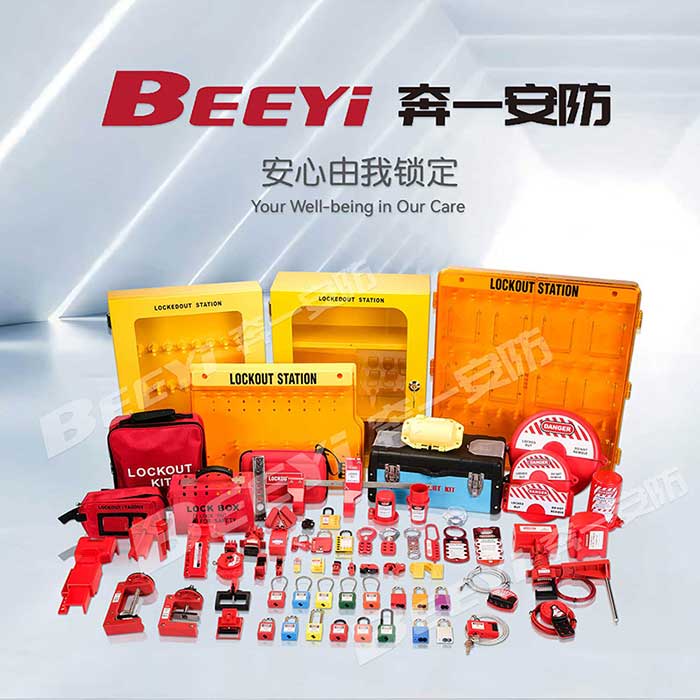
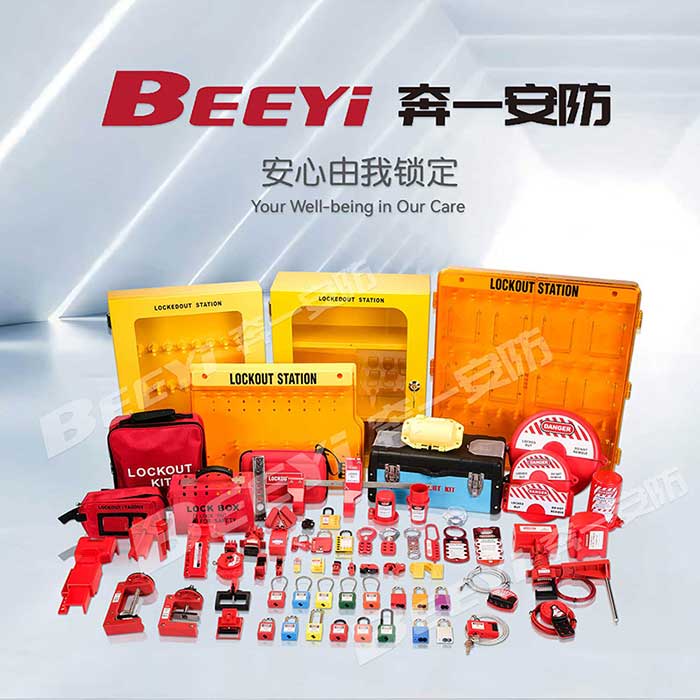
In recent years, the demand for reliable and customized electrical safety solutions has grown significantly across various industries. Among the key players addressing this need are China Electrical Equipment Lockouts ODM suppliers, who specialize in providing original design manufacturing services for electrical lockout devices. These suppliers play a crucial role in enhancing workplace safety, ensuring compliance with international standards, and offering tailored solutions for diverse industrial applications.

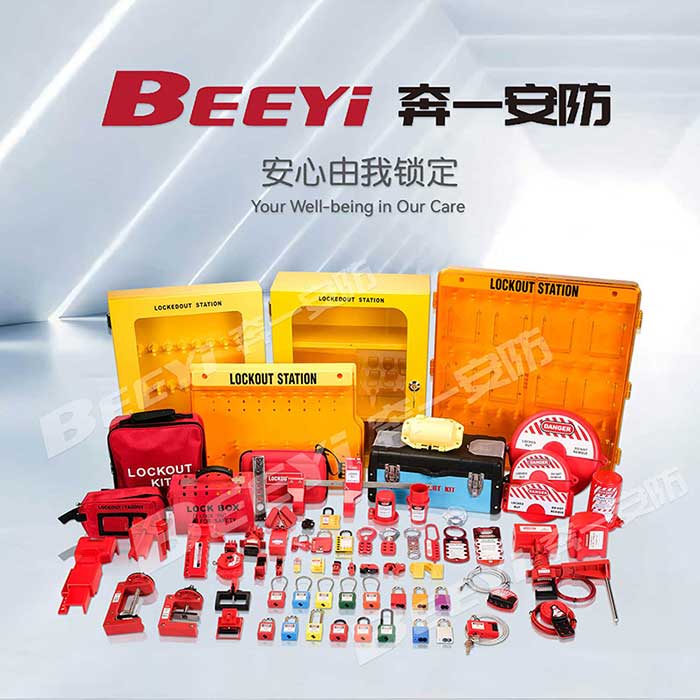
China Electrical Equipment Lockouts ODM suppliers

China Electrical Equipment Lockouts ODM suppliers focus primarily on producing lockout devices for circuit breakers, switches, plugs, and other electrical equipment. Lockouts are essential safety mechanisms that prevent accidental energization of electrical machinery during maintenance or repair, effectively protecting workers from electric shock and other potential hazards. By offering ODM services, these suppliers allow companies worldwide to customize products according to specific operational requirements, including size, material, color, and branding. One of the major advantages of working with Chinese ODM suppliers is their capability to combine innovation with cost efficiency. Many suppliers have invested heavily in research and development, integrating advanced materials like industrial-grade plastics and metals to enhance durability and reliability. Furthermore, they adopt precision manufacturing techniques that meet international safety certifications, such as OSHA, CE, and ISO standards, ensuring that products can be safely exported and used in different global markets.

an overview of china hot water solenoid valve manufacturers

In recent years, the demand for hot water solenoid valves has significantly increased in both domestic and industrial applications. This uptick in demand can be attributed to the growing need for efficient fluid control systems in various sectors, including HVAC (Heating, Ventilation, and Air Conditioning), automotive, food processing, and home appliances. China has emerged as a global hub for manufacturing these valves, housing numerous manufacturers that cater to both local and international markets. This article aims to provide an overview of China hot water solenoid valve manufacturers, their product offerings, market trends, and considerations for potential buyers.

China Hot Water Solenoid Valve Manufacturers

Understanding Solenoid Valves Solenoid valves are electromechanical devices that use an electromagnetic coil to control the flow of liquids and gases. When electrical current passes through the coil, it generates a magnetic field that moves a plunger, either opening or closing the valve. Hot water solenoid valves are specifically designed to handle high-temperature water, making them essential for systems that require precise temperature and pressure control. Leading Manufacturers in China China is home to a wide array of hot water solenoid valve manufacturers, ranging from large enterprises with extensive product lines to smaller, specialized firms. Notable manufacturers include:

understanding china bistable relay manufacturers: innovation and market dynamics

In recent years, China has emerged as a key player in the global manufacturing sector, particularly in the field of electromechanical components such as bistable relays. Bistable relays, which can maintain their state without continuous power supply, offer a wide array of applications ranging from automotive systems to industrial automation and home appliances. This article explores the landscape of China bistable relay manufacturers, emphasizing their technological advancements, competitive advantages, and the evolving market dynamics.

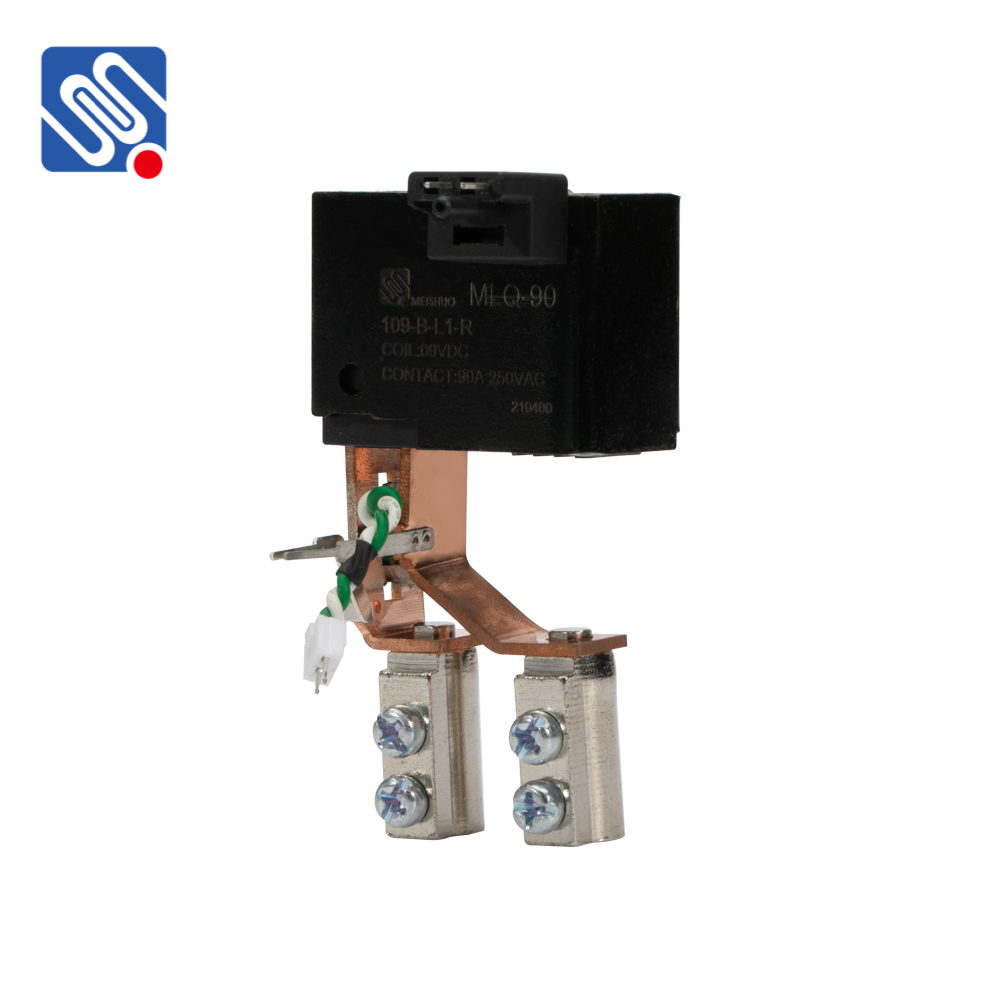
China Bistable Relay Manufacturers

Bistable relays are crucial components in modern electronic systems. Unlike traditional relays that require constant power to maintain their state, bistable relays operate in two stable states. This characteristic enables them to significantly reduce energy consumption, making them an attractive choice for energy-efficient applications. Consequently, China bistable relay manufacturers have been focusing on enhancing the performance and reliability of their products to meet the demands of various industries. Technological Innovations Chinese manufacturers are increasingly investing in research and development to innovate within the bistable relay sector. This investment has led to the introduction of advanced materials and technologies, allowing for more compact designs and improved operational efficiency. Many companies are adopting automation and modern manufacturing techniques to enhance product quality and reduce production costs.

帮我写一篇关于high qualitypneumatic lockouts factory的800字英文原创文章,并在文章前面配上一个标题,并在标题里面包含high qualitypneumatic lockouts factory,标题前面加上”标题“两字

继续

High qualityPneumatic Lockouts factory

当然,下面将更深入地讨论气动锁定装置的更多方面,包括应用行业、市场趋势,以及如何维护和管理这些设备。 气动锁定装置的应用行业 气动锁定装置广泛应用于多个行业,确保操作人员的安全并防止意外事故。主要应用行业包括: 制造业:在生产线上,气动系统广泛用于控制各种设备和机器。锁定装置可以确保维护人员在维修或清洁时的安全。 油气行业:在石油和天然气的开采、运输和精炼过程中,气动系统常用于控制流体的流动。气动锁定装置可防止意外释放或启动。 化工行业:化工厂操作复杂,涉及多种化学品的输送与处理。使用气动锁定装置可以减少化学品意外泄漏的可能性。 建筑和施工:在施工现场,气动工具和设备常用于各种任务,气动锁定装置用于确保在维修和搬运过程中工具不会意外启动。 公共设施和水处理厂:这些设施中,气动控制装置负责流体的调控,应用安全锁定装置可保障工作人员的安全。 市场趋势 安全法规驱动:随着全球范围内对职业安全的越来越严格的监管,气动锁定装置的需求持续增长,企业努力合规,并提升其工作场所的安全性。 自动化设备的普及:随着工业4.0的推进,气动系统与智能化设备结合的趋势日益明显,智能锁定系统开始受到更多关注。 环保材料的使用:制造商越来越多地选择可回收或环保的材料,以迎合市场对可持续发展的需求。 维护智能化:使用传感器和IoT技术监控气动锁定装置的状态,实时反馈功能能帮助企业及时发现设备问题,降低停机风险。

exploring china food grade solenoid valve manufacturers: quality and innovation in the food industry

In recent years, the demand for food-grade solenoid valves has surged globally, driven by the necessity for high-quality, reliable, and hygienic solutions in the food and beverage industry. China, a powerhouse in manufacturing, has emerged as a key player in producing food-grade solenoid valves, catering to both domestic and international markets. This article explores the landscape of China Food Grade Solenoid Valve Manufacturers, highlighting their significance, standards, and innovations.

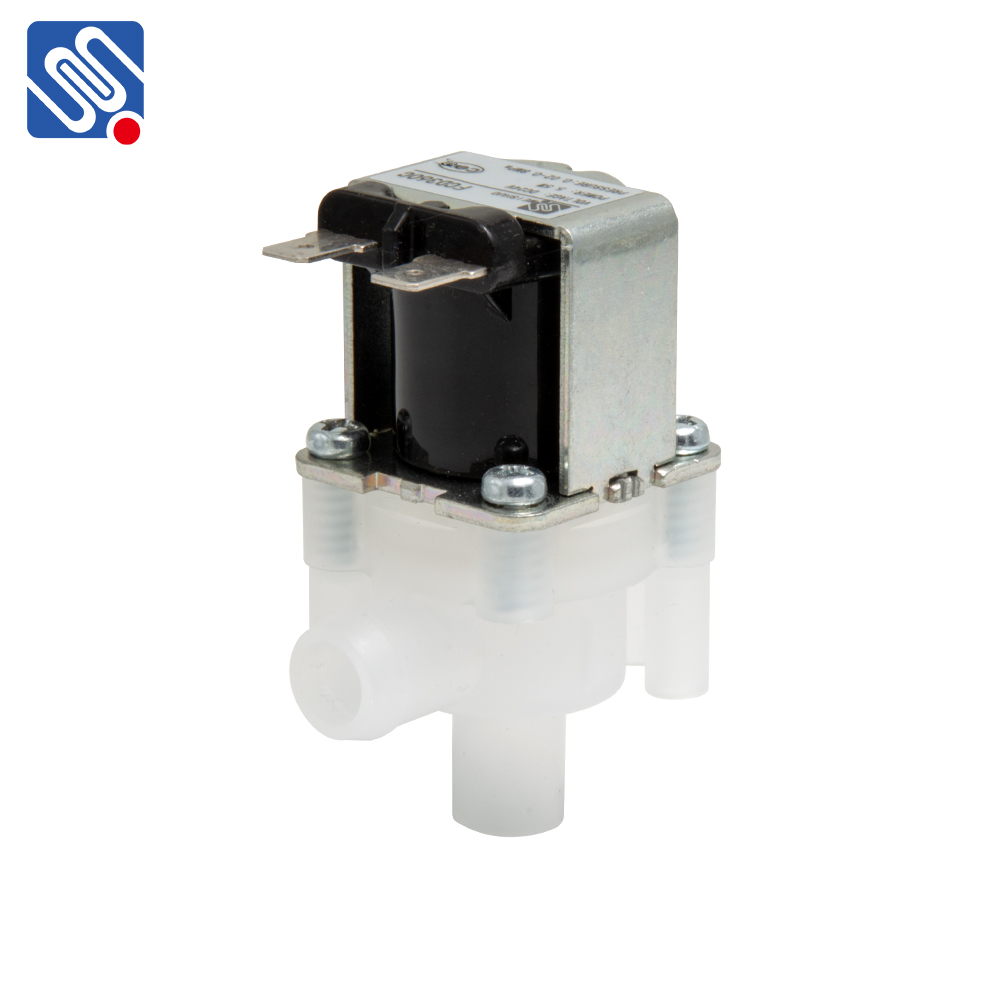
China Food Grade Solenoid Valve Manufacturers

Understanding Food-Grade Solenoid Valves Food-grade solenoid valves are essential components in various food processing applications. They control the flow of liquids and gases, ensuring that these substances are channeled safely and efficiently without compromising safety or hygiene. Given the sensitivity of food production processes, it is crucial that these valves meet strict regulatory requirements, making their manufacturing quality paramount. Regulatory Standards and Importance Food-grade solenoid valves must comply with a variety of international standards. Key certifications, such as the FDA (Food and Drug Administration) and NSF (National Sanitation Foundation) approvals, are vital for manufacturers. These certifications ensure that the valves are safe for contact with food and do not leach harmful substances. Other important standards include ISO 22000, which outlines food safety management systems, and 3A Sanitary Standards, which focus specifically on sanitary processing equipment.

scaffolding lockout tags private label: ensuring safety and compliance in construction sites

In the construction industry, safety is paramount. One of the most effective ways to ensure safety during maintenance and repair work is through the use of lockout/tagout (LOTO) procedures. These procedures are designed to prevent the accidental release of hazardous energy, which could lead to severe injuries or even fatalities. One of the essential tools used in lockout/tagout processes is the Scaffolding Lockout Tags, which are increasingly available through private labels. This article explores the role of scaffolding lockout tags, the importance of private labeling, and how these products contribute to safer work environments.

Scaffolding Lockout Tags private label

The Importance of Lockout/Tagout in Construction Construction sites are dynamic environments, with workers constantly interacting with various machinery, electrical systems, and scaffolding structures. These areas often present risks such as electrical hazards, mechanical failures, or the collapse of scaffolding, all of which can lead to severe accidents. Lockout/tagout procedures are implemented to ensure that machinery or equipment is properly shut off and cannot be accidentally activated while being repaired or maintained. In the context of scaffolding, a lockout/tagout tag is an essential part of the safety system. When scaffolding is being constructed, dismantled, or undergoing maintenance, workers must ensure that the equipment is secured and that no one unknowingly activates the structure. Scaffolding lockout tags serve as visual indicators, showing that the scaffolding is under maintenance and should not be used until the lockout tag is removed. This visual communication plays a critical role in preventing accidents and ensuring that all personnel are aware of the equipment’s status.

understanding relay circuit protection and its importance in electrical systems

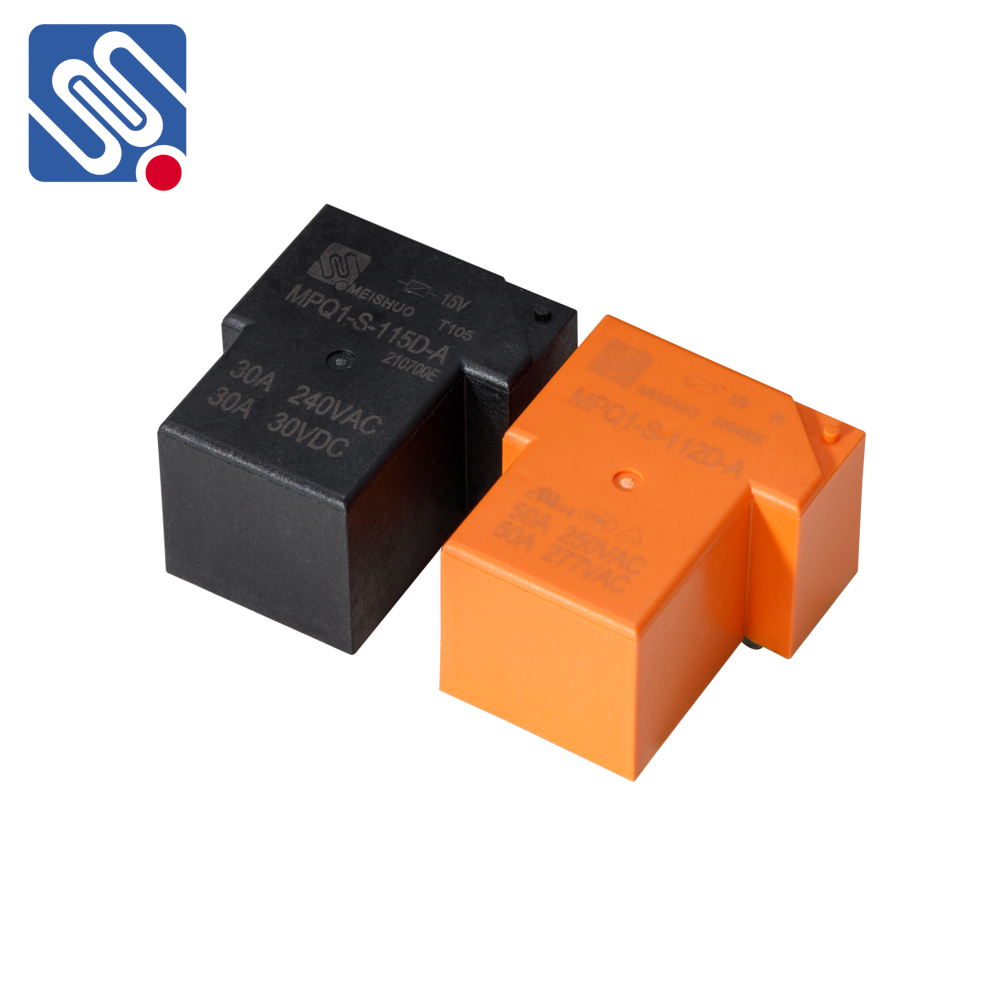
Relay circuit protection is a crucial aspect of electrical systems that ensures the safety and longevity of equipment. By using relays, electrical circuits are shielded from various faults such as overloads, short circuits, voltage surges, and more. Relays act as switches that automatically disconnect the circuit when certain conditions are met, thus preventing damage to electrical components and reducing the risk of fire, electrical shock, or other hazardous incidents. In this article, we will delve into the concept of relay circuit protection, its types, working principles, and its applications in various industries.

Relay circuit protection

The Role of Relays in Circuit Protection Relays are electromechanical devices that serve as automatic switches. They function by using an electromagnetic field to control the opening or closing of contacts in a circuit. When the relay is triggered by a specified condition—such as an overcurrent or overvoltage situation—it will activate the switch, either disconnecting or rerouting the electrical flow. This makes relays indispensable for circuit protection in several industrial and residential applications. In a relay circuit protection system, the key function is to prevent damage to electrical components that could occur due to faulty or abnormal conditions. Without such protection, components like motors, transformers, and power supplies could easily be destroyed by excessive voltage, current, or thermal stress. Therefore, relays provide an essential safeguard, ensuring that electrical systems continue to operate reliably and safely.

enhancing workplace safety with industrial lockout bag

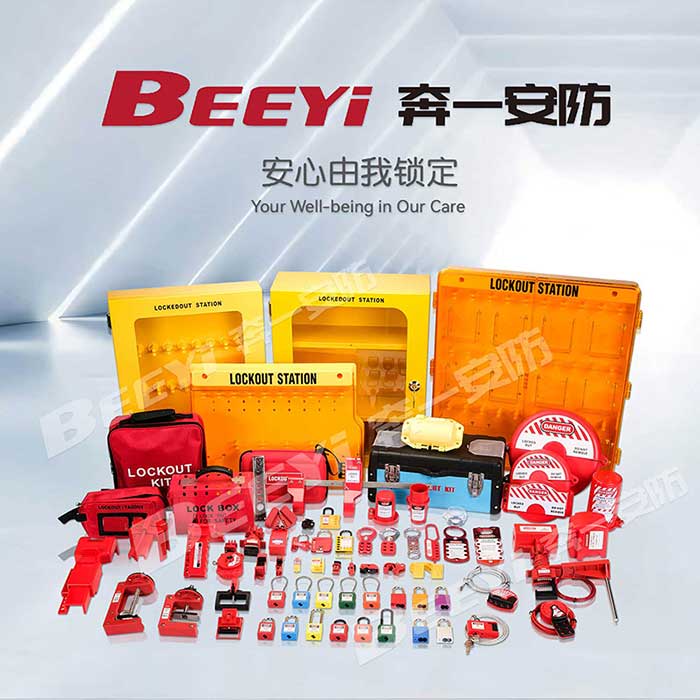
In today’s fast-paced industrial environments, safety is paramount. Workers often find themselves in situations where they must perform maintenance or repair tasks on machinery and electrical equipment. To ensure these tasks are performed safely, the implementation of Lockout/Tagout (LOTO) procedures is critical. A crucial component of this safety protocol is the Industrial Lockout Bag, a specialized tool designed to enhance the safety and efficiency of lockout processes.

Industrial Lockout Bag

Understanding the Industrial Lockout Bag The Industrial Lockout Bag is a durable, often brightly colored carrying bag designed to hold all safety equipment necessary for implementing lockout procedures. These bags are made from robust materials such as nylon or heavy-duty canvas, ensuring they can withstand the harsh conditions often found in industrial settings. Their design focuses on facilitating the safe storage, transport, and organization of lockout devices, including padlocks, hasps, and tags. Purpose and Features The primary function of an Industrial Lockout Bag is to centralize all lockout devices in one easily accessible location. This makes it simpler for workers to find and use the necessary tools for lockout procedures. Features typically include multiple compartments, adjustable straps, and exterior pockets for additional items such as safety goggles or gloves. The bags are usually brightly colored, often in shades of yellow or orange, to enhance visibility and signal caution to all employees in the vicinity.