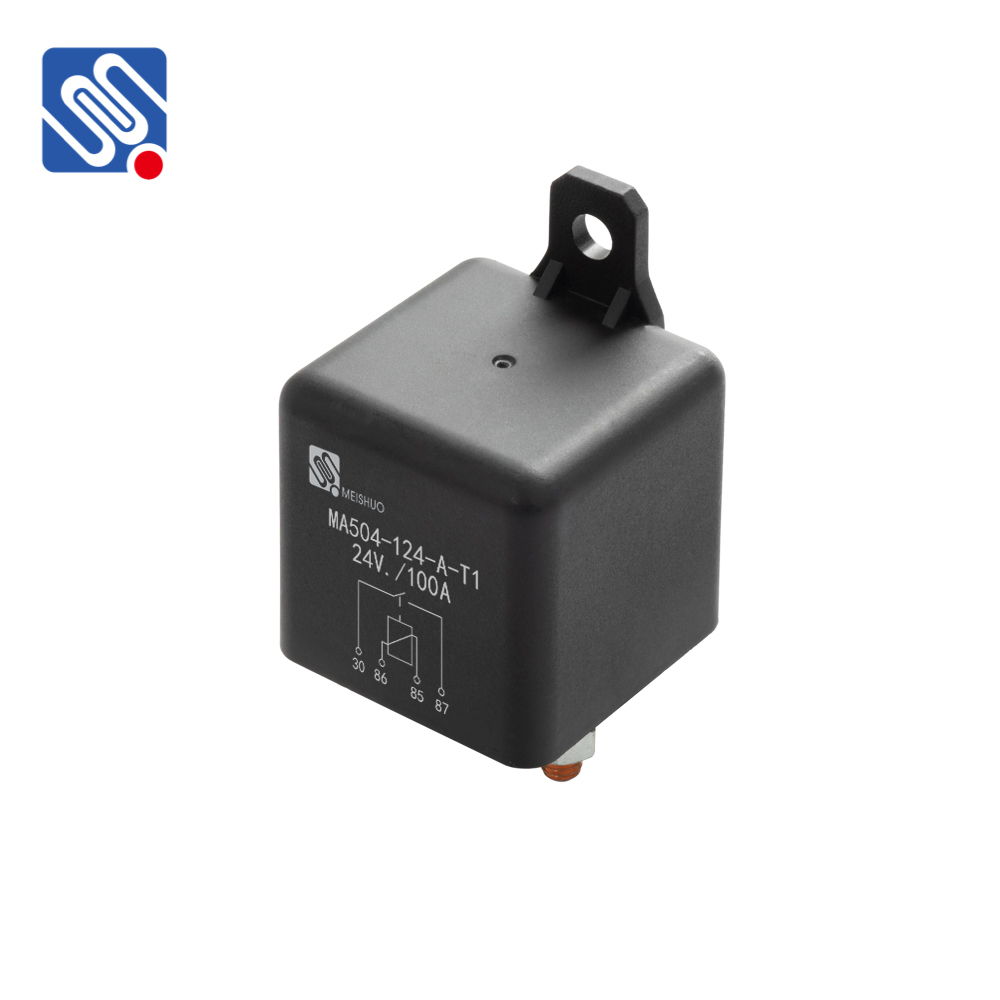
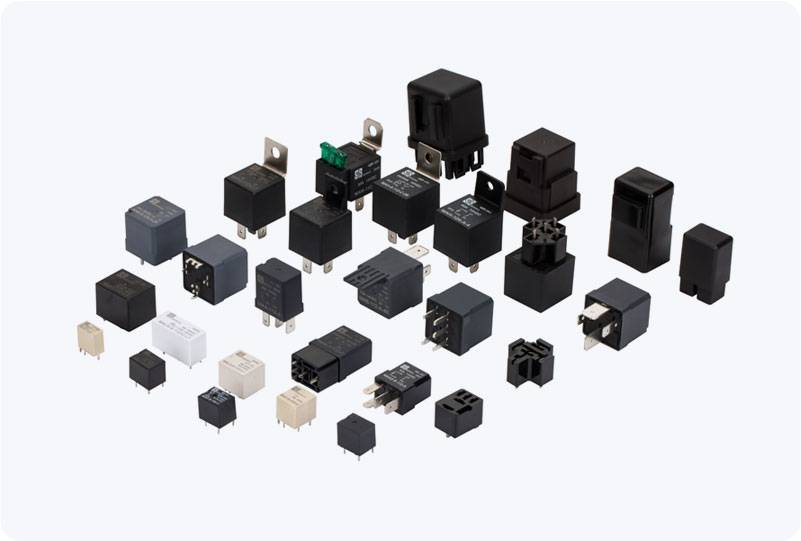
In today’s rapidly evolving technological landscape, the need for robust and reliable electrical components has never been more critical. Among these components, TE Connectivity’s High Voltage (HV) Relay stands out as an essential element for various applications in automotive, industrial, and energy sectors. This article delves into the features, applications, and benefits of TE Connectivity HV Relays, providing a comprehensive overview of why these devices are indispensable in managing high voltage systems.
The Role of HV Relays High voltage relays are designed to switch electrical circuits on and off while handling high voltage and current levels. TE Connectivity HV Relays are engineered to manage voltages that can reach several thousand volts and currents that can exceed hundreds of amps. The primary function of these relays is to act as a protective mechanism and switching device within electrical systems, ensuring safe operation even under demanding conditions. Structure and Design
A typical TE Connectivity HV Relay comprises several core components, including an electromagnetic coil, contact points, and a protective housing. When an electrical current passes through the coil, it generates a magnetic field that either opens or closes the contact points, facilitating the flow of electricity. The relay’s design allows for rapid switching, making it ideal for applications that require immediate responses to changing electrical demands.
When it comes to construction and maintenance operations, safety is paramount. Among the myriad of safety tools and devices, scaffolding lockout tags play a crucial role in ensuring that equipment remains secured and that workers are protected from potential hazards. Understanding the price dynamics of scaffolding lockout tags is essential for contractors, safety managers, and anyone involved in construction or maintenance. This article aims to provide an overview of factors affecting the prices of these important tags, explore average costs, and offer insights on how to make informed purchasing decisions.
What are Scaffolding Lockout Tags? Scaffolding lockout tags are safety tags used in conjunction with lockout devices to indicate that specific equipment is under maintenance or not in use. These tags serve as visual alerts to prevent accidental machine operation, thereby safeguarding workers from injuries. Typically, they are made of durable materials, designed to withstand harsh environmental conditions often present on construction sites. Factors Affecting Prices Material Composition: The cost of scaffolding lockout tags can vary significantly based on the materials used. Tags made from high-quality plastic may be more expensive than standard paper tags due to their durability and weather resistance. Metal tags may provide the highest level of longevity but come at a premium price.
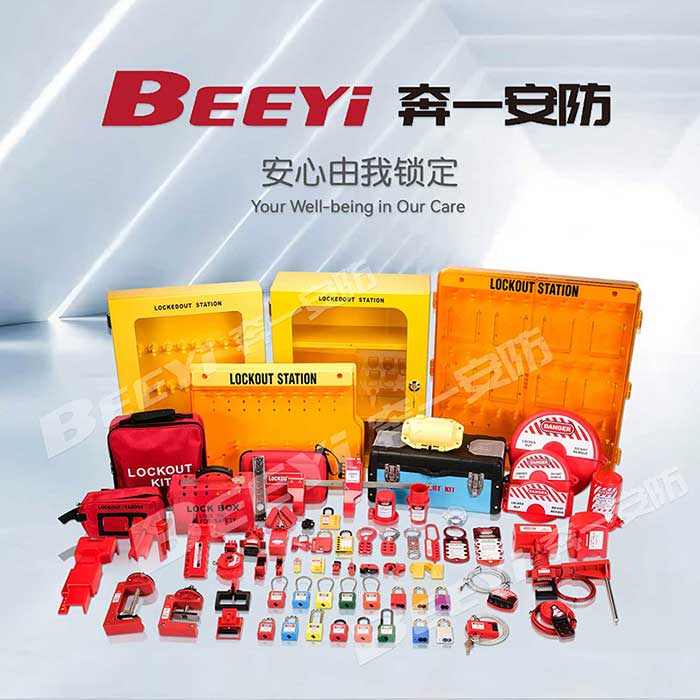
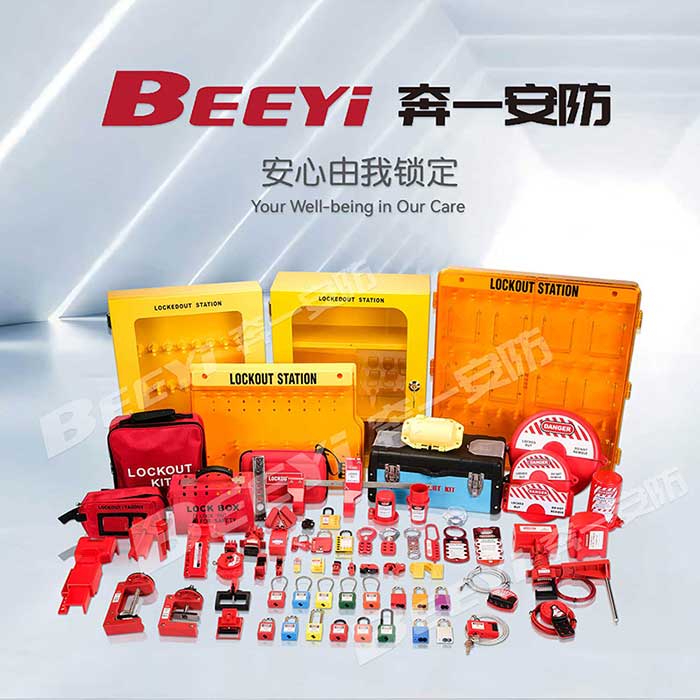
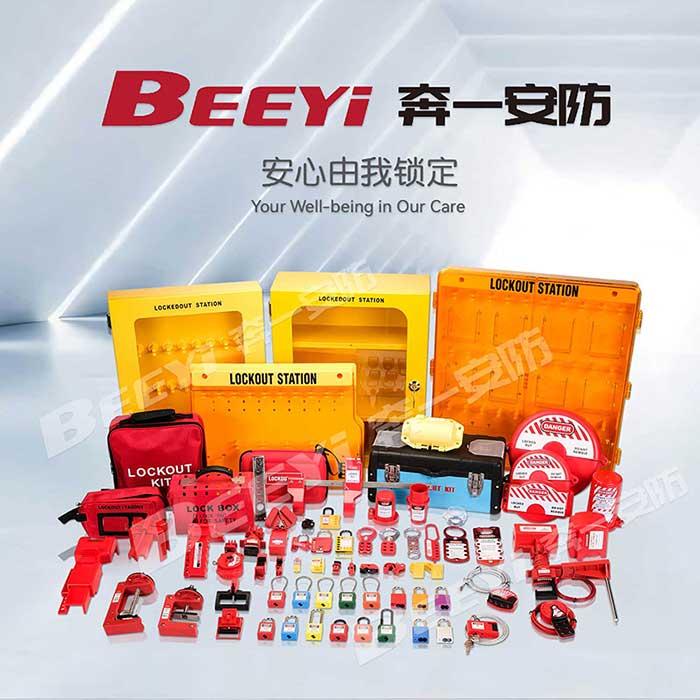
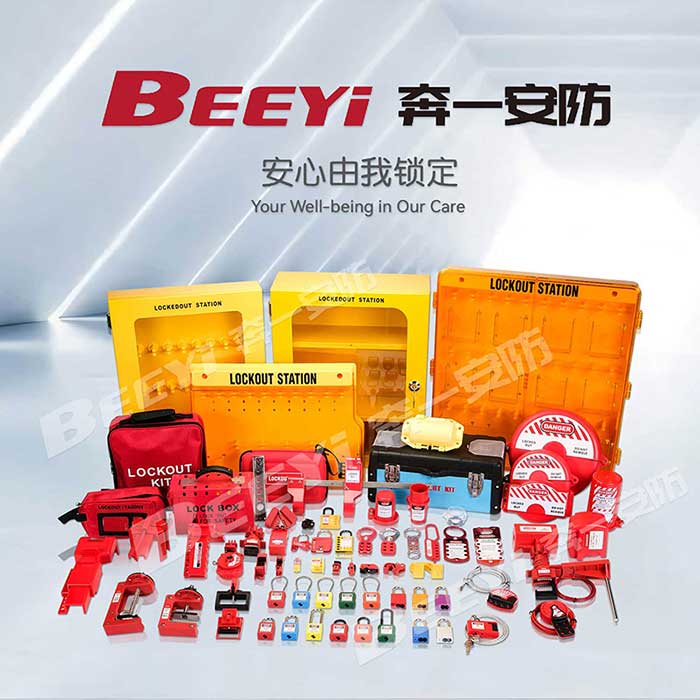
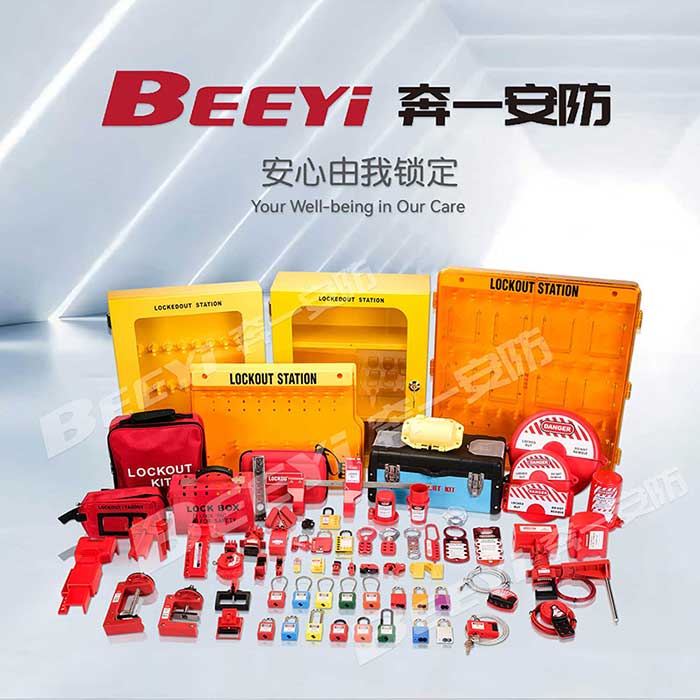
Electrical equipment lockouts are crucial safety measures in industrial and commercial settings where electrical systems are regularly maintained, serviced, or repaired. Lockout procedures prevent accidental energization of electrical equipment during maintenance, significantly reducing the risk of workplace injuries and fatalities. In bulk order contexts, where a large number of devices and tools are required for ensuring safety across an organization, the efficiency, cost-effectiveness, and reliability of lockout systems are essential. This article discusses the importance of electrical equipment lockouts, the advantages of bulk ordering, and best practices for implementing a comprehensive lockout program in any workplace.
Understanding Electrical Equipment Lockouts Electrical equipment lockouts are safety devices used to isolate electrical equipment from its power source during maintenance or repair activities. They prevent workers from accidentally energizing or starting machinery that is under maintenance, minimizing the risk of electrical shock, burns, and other accidents. Common lockout devices include lockout hasps, circuit breaker lockouts, plug lockouts, and valve lockouts, each designed to secure specific equipment, such as circuit breakers, switches, or control panels. The Occupational Safety and Health Administration (OSHA) in the United States has strict guidelines regarding lockout/tagout (LOTO) procedures to ensure worker safety during the servicing of machinery. These regulations are aimed at enforcing proper control of hazardous energy sources to prevent injury. For businesses that deal with a high volume of equipment and frequent maintenance, having a well-organized lockout system is not just a legal requirement but an integral part of a workplace safety program.
In today’s industrial landscape, safety is paramount. One of the critical components of a safety protocol is the use of Lockout Hasps, which play an essential role in ensuring equipment cannot be accidentally deactivated while maintenance or servicing is being performed. There’s a diverse array of manufacturers specializing in Lockout Hasps, each providing unique features and benefits that cater to varying industrial needs. This article aims to explore the importance of Lockout Hasps manufacturers, the types of products available, and key considerations when selecting a supplier.
Understanding Lockout Hasps and Their Importance Lockout Hasps are devices designed to secure energy-isolating devices, preventing unexpected equipment startup. By using a hasp, which can accommodate multiple locks, a team of workers can collectively secure a piece of machinery, ensuring that it cannot be operated until all locks have been removed. This practice is not just a recommendation but a legal requirement in many jurisdictions under occupational safety regulations, such as OSHA in the United States. In the industrial setting, the importance of Lockout Hasps cannot be overstated. They serve as a visual cue that maintenance is ongoing, protecting workers from accidents and injuries. Their use contributes to a robust safety culture, fostering accountability and teamwork among employees tasked with maintenance duties. Consequently, the reliability and quality of Lockout Hasps are critical, which is where trusted manufacturers come into play.
In today’s fast-paced industrial environments, worker safety remains paramount. One of the most effective strategies for ensuring that machinery and equipment are safely de-energized during maintenance or repair work is the Lockout/Tagout (LOTO) procedure. At the heart of this procedure is the use of safety padlocks, which play a critical role in minimizing the risk of accidental machine start-up and ensuring that employees can carry out their tasks in a safe environment.
Lockout/Tagout refers to the specific practices and procedures that are used to disable machinery or equipment, ensuring that it is not accidentally started up again until maintenance or servicing has been completed. The most recognizable aspect of LOTO is the application of safety padlocks, which serve to physically secure energy sources and provide a clear visual indication that a machine is undergoing repairs. Importance of Safety Padlocks in LOTO Preventing Accidental Start-Up: Safety padlocks are designed to prevent unauthorized access to hazardous energy sources. By locking the isolation points of machines, technicians can ensure that no one can inadvertently re-energize the equipment while it is being serviced. This helps to protect not only the worker performing the maintenance but also other employees who may be in the vicinity.
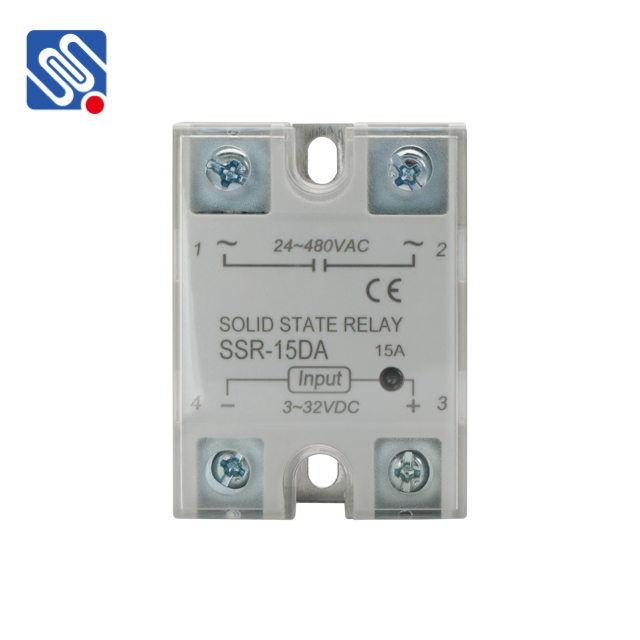
Relays are critical components in electrical circuits, serving to control and switch electrical devices. Despite their small size, relays play a significant role in various applications such as automotive systems, industrial machinery, and home appliances. One important aspect that often goes unnoticed is the relay lifespan. The lifespan of a relay refers to the duration or number of cycles it can operate reliably under specified conditions. Understanding the factors that affect relay lifespan is essential for optimizing performance, reducing costs, and ensuring safety.
Mechanical and Electrical Lifespan Relay lifespan can be categorized into two primary types: mechanical lifespan and electrical lifespan. Mechanical Lifespan: This refers to the number of cycles a relay can operate without load. Typically, it ranges in the millions of operations, depending on the design and quality of the relay. Mechanical lifespan is influenced by the physical materials used in the relay construction and the design of the moving parts. For instance, relays with high-quality springs and materials might show significantly higher mechanical lifespan than those with standard specifications.
In industrial settings, safety is paramount, especially when dealing with hazardous materials and heavy machinery. One essential component in ensuring this safety is the use of safety valve locks. These devices prevent accidental releases of pressure and ensure that valves remain securely shut during maintenance and repair procedures. For many businesses, especially smaller ones, finding low cost safety valve lock suppliers is critical to maintaining safety standards while managing budget constraints.
Understanding Safety Valve Locks Safety valve locks are mechanical devices designed to secure valves in a closed position. They are used across various industries, including oil and gas, chemical processing, and manufacturing. These locks serve multiple purposes: Preventing Accidental Releases: They safeguard against the accidental opening of valves, which can lead to dangerous leaks or explosions. Compliance with Safety Regulations: Many industries are subject to strict safety regulations. Using safety valve locks helps companies comply with these regulations and avoid potential penalties.
Reliable lockout hasps suppliers play a crucial role in modern industrial safety management. As workplaces across manufacturing, energy, construction, and chemical sectors continue to prioritize employee protection, the demand for high-quality lockout/tagout (LOTO) devices—especially lockout hasps—has grown significantly. Lockout hasps are essential tools that allow multiple workers to apply individual locks during equipment maintenance, ensuring machines cannot be activated until all personnel are safely cleared. This article provides an in-depth look at Reliable Lockout Hasps suppliers, their strengths, and how they support global safety standards.
To begin, Reliable Lockout Hasps suppliers are companies that specialize in manufacturing and distributing durable, compliance-ready lockout hasps designed to withstand harsh industrial conditions. These suppliers ensure that their products meet established safety regulations such as OSHA 1910.147, which mandates proper lockout/tagout procedures. Companies rely on these suppliers not only for product quality but also for expertise, customization options, and technical support. One of the most recognized suppliers in this field is Master Lock, a global leader in physical security products. Master Lock’s lockout hasps are known for their rugged construction, corrosion-resistant materials, and versatile locking mechanisms. Their offerings include steel hasps, aluminum hasps, non-conductive nylon hasps, and jaw-size variations to fit different machinery. Many safety professionals choose Master Lock for its consistent quality, wide availability, and compliance-focused design.
In the intricate world of automotive systems, communication between various electrical components is essential for smooth operation. One critical component that plays a pivotal role in this communication is the relay. Relays are electromechanical switches that control high-current circuits through low-current inputs. While robust in design, relays are susceptible to various failure modes that can impact vehicle functionality. Understanding these failure modes is crucial for diagnosing electrical issues and ensuring vehicle safety.
Common Relay Failure Modes Poor Contact: One of the most common failure modes in relays is poor contact between internal components. Over time, the contact points may accumulate dirt, oxidation, or corrosion, which can prevent proper electrical connectivity. This may result in intermittent operation of systems reliant on the relay, such as headlights or cooling fans. Drivers may notice peculiar behavior, such as flickering lights or fluctuating fan speeds, indicating potential relay issues. Inability to Activate: When the coil within a relay becomes damaged due to overheating or a surge of electrical current, the relay may fail to activate. This scenario is particularly problematic for starting systems, where the relay must engage to allow current to flow to the starter motor. Without activation, the vehicle may fail to start altogether, leaving the driver stranded and in need of immediate assistance.