Category Archives: Industry Information

understanding electric actuator valves: revolutionizing control systems

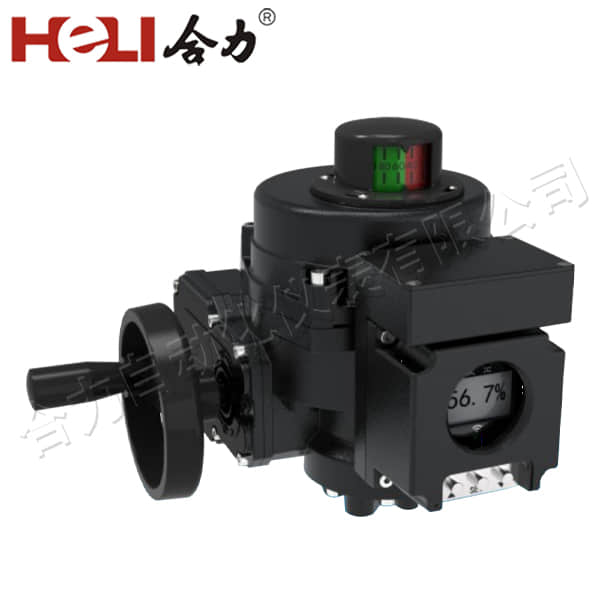
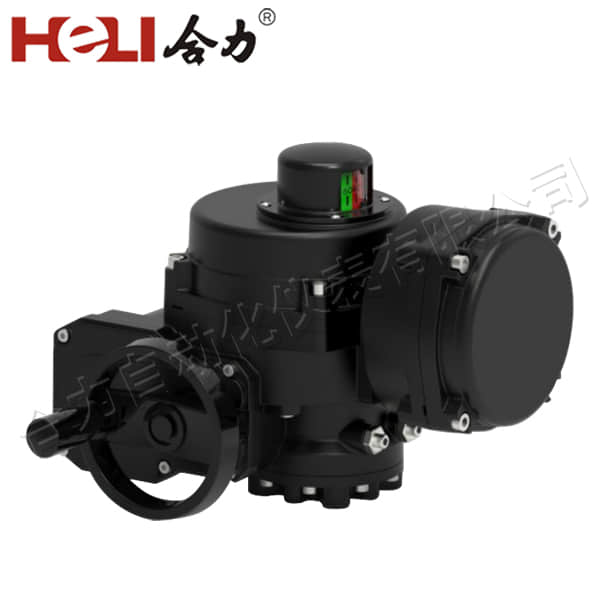
Electric actuator valves have become a cornerstone of modern industrial automation and control systems. As industries evolve, the demand for precise, reliable, and energy-efficient valve control solutions grows. Electric actuator valves, combining electric motors and valve mechanisms, are designed to automatically control fluid or gas flow within a pipeline, tank, or system. These valves play a crucial role in diverse sectors such as water treatment, HVAC systems, oil and gas, pharmaceuticals, and manufacturing. In this article, we explore the functioning, benefits, and applications of electric actuator valves, shedding light on their significance in the automation world.
Electric actuator valves

What Are Electric Actuator Valves?

Electric actuator valves

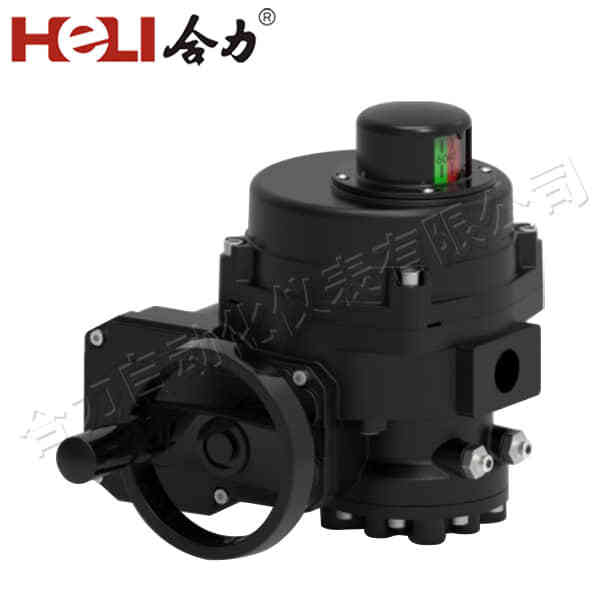
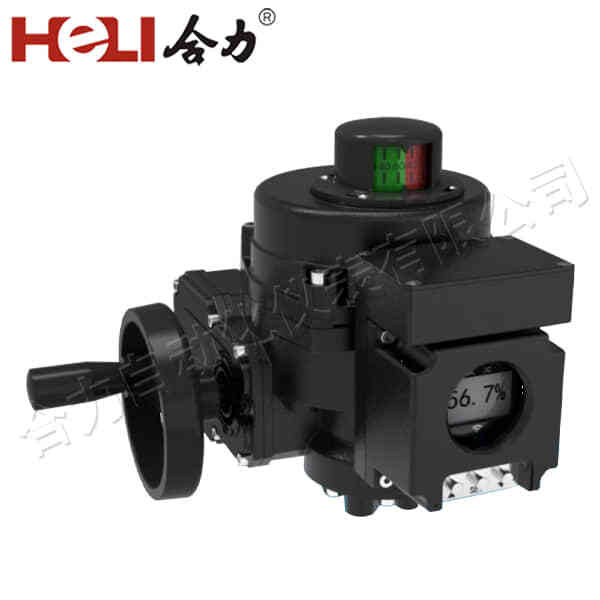
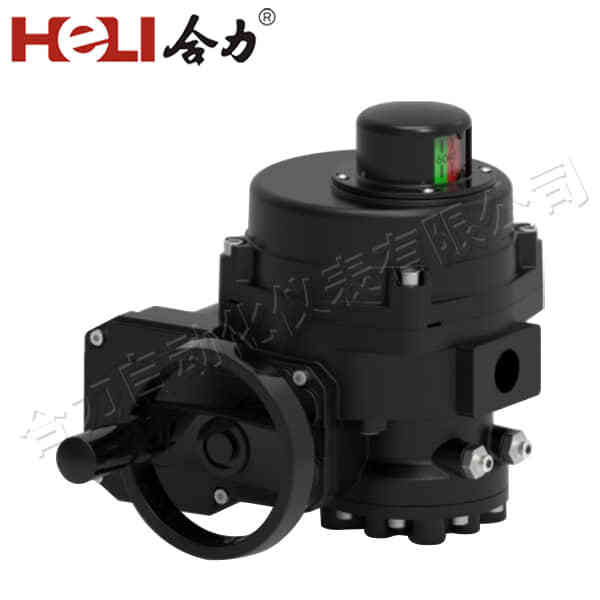
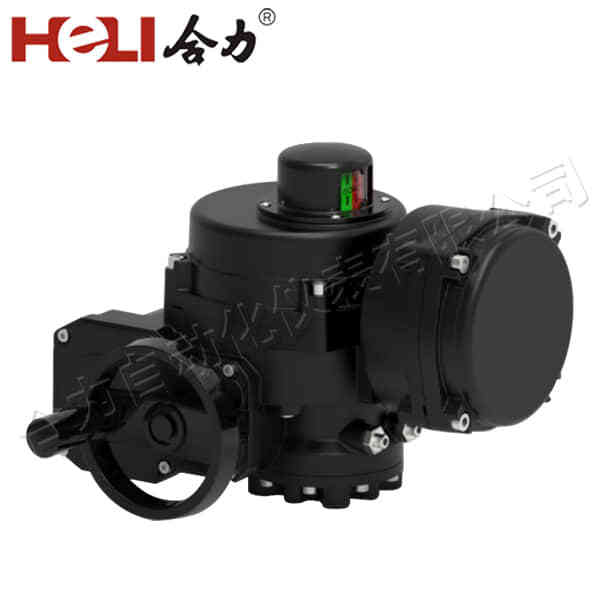
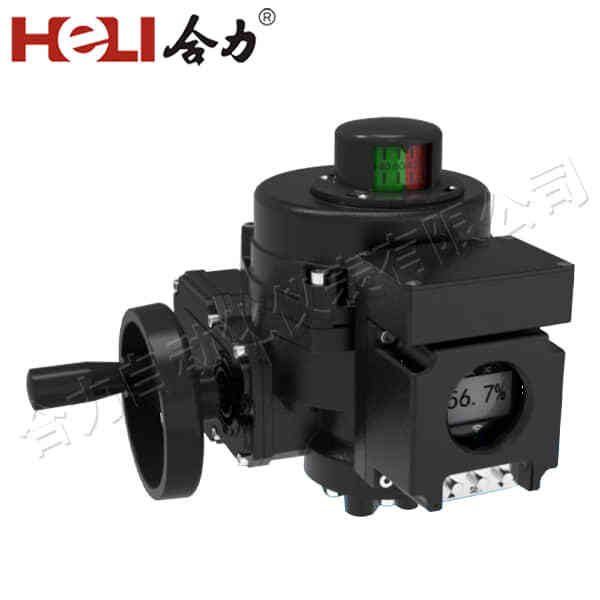
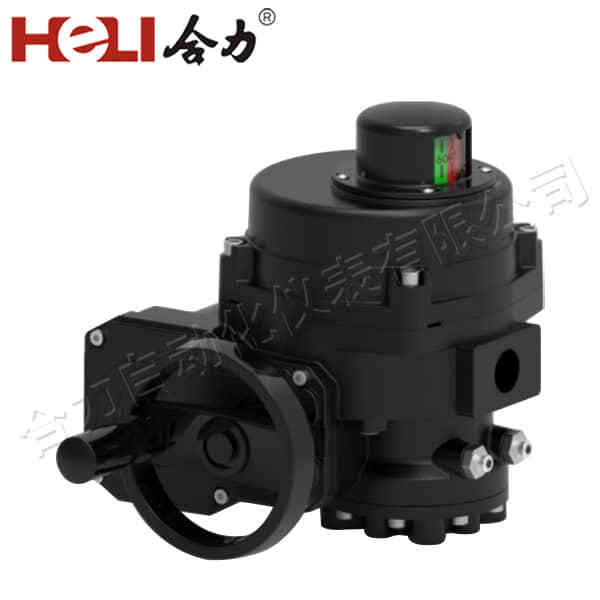
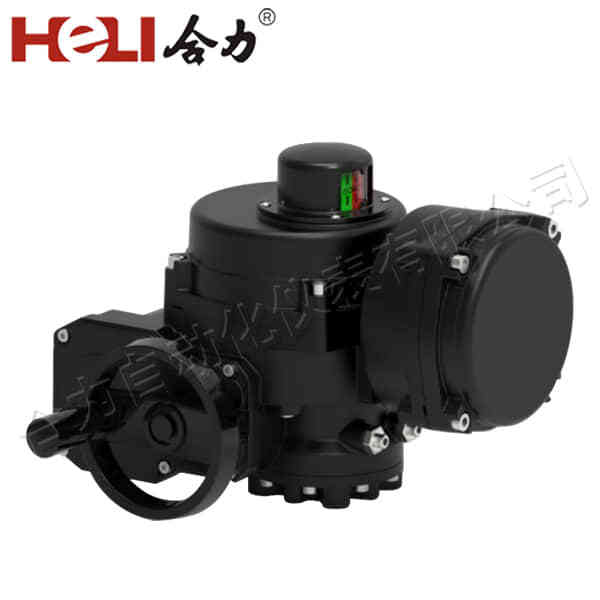
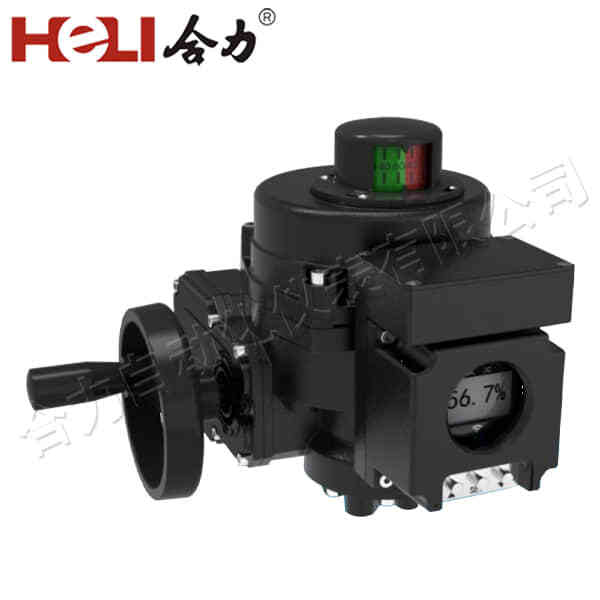
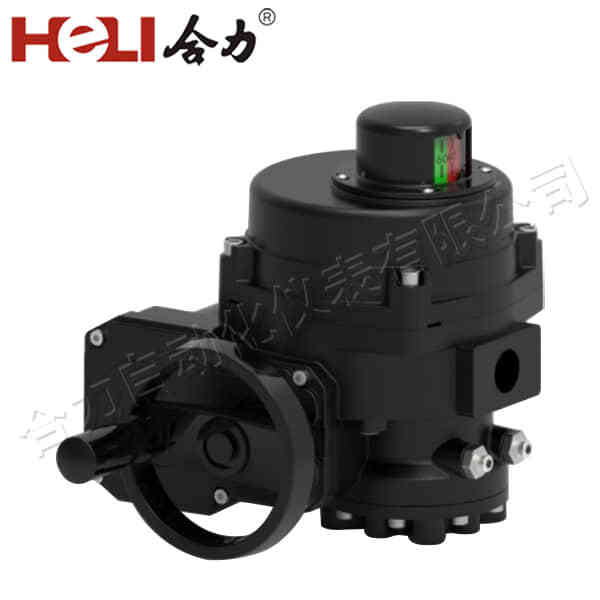
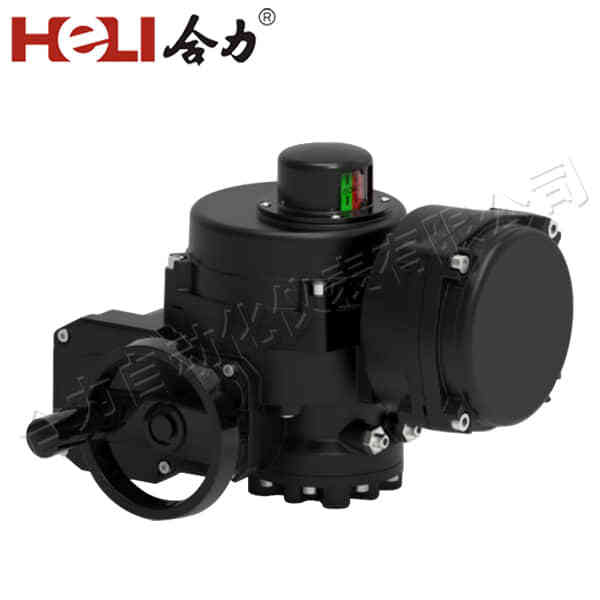
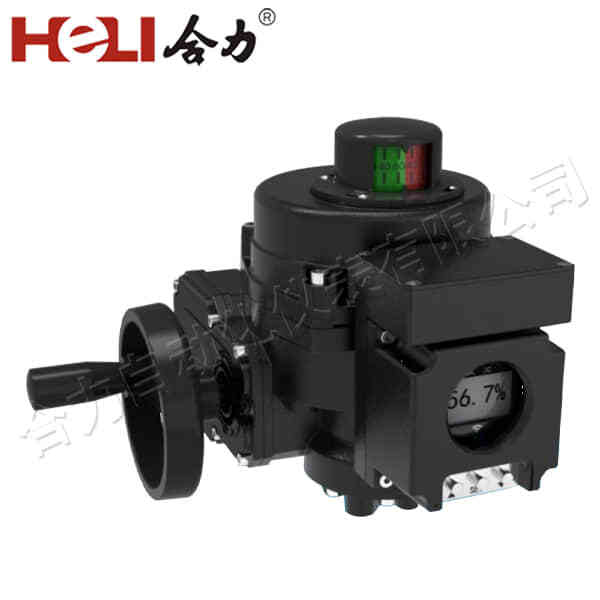
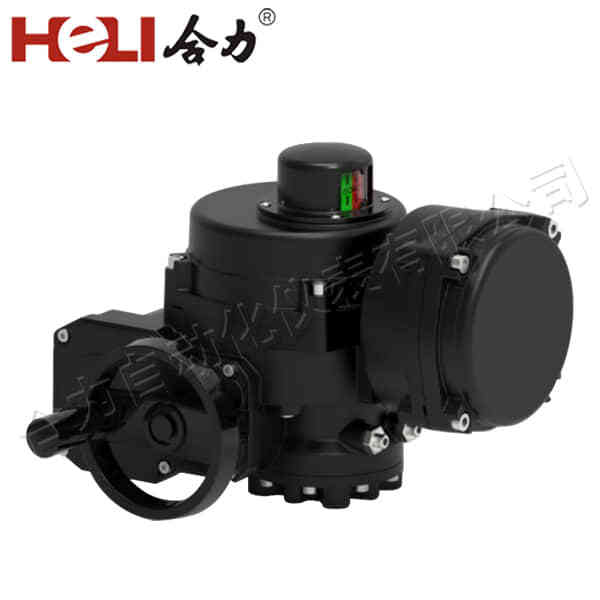
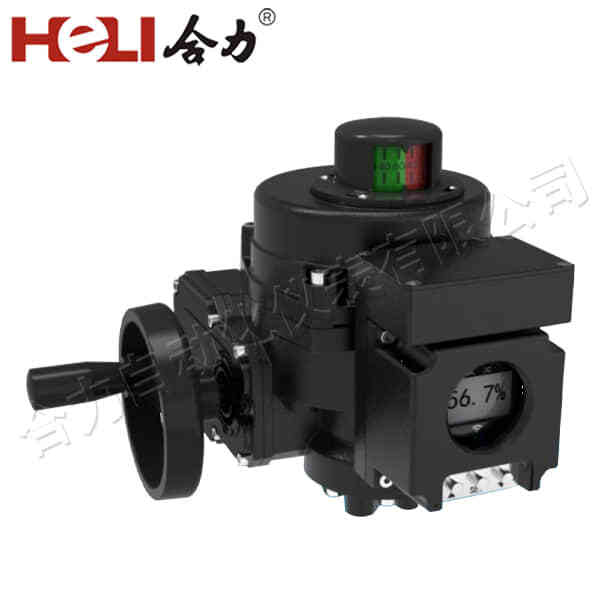
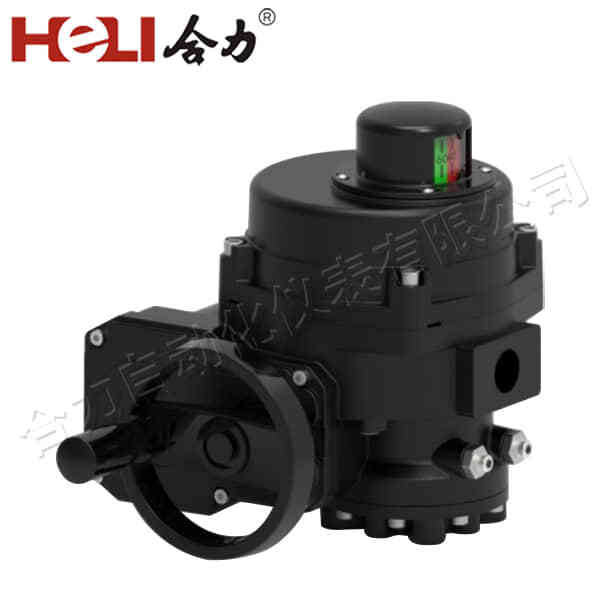
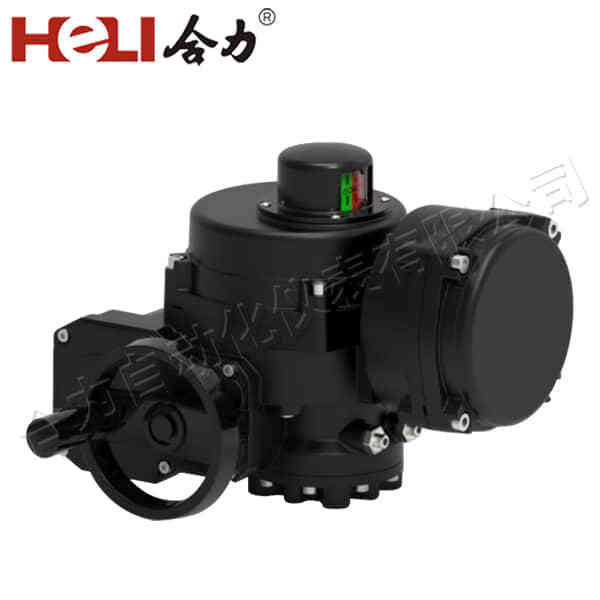
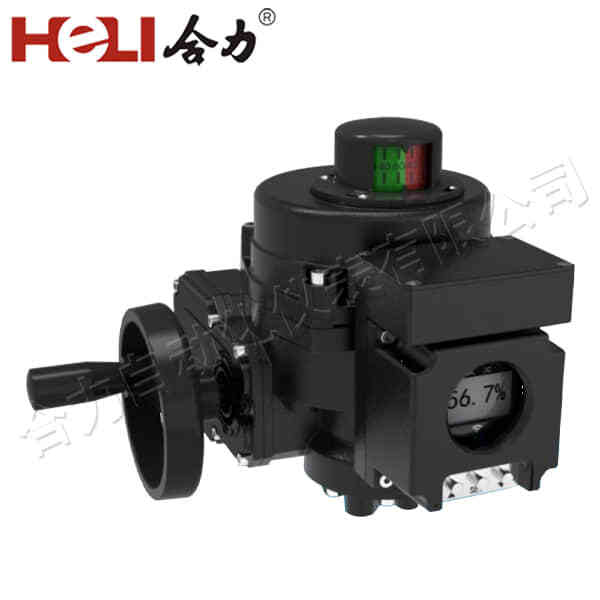
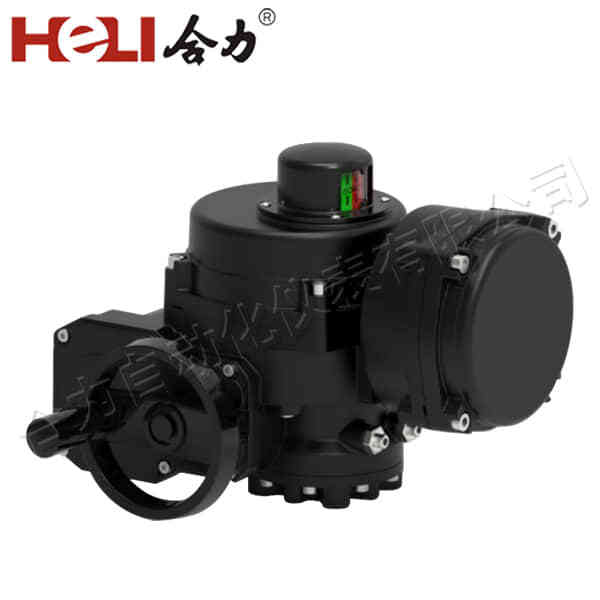
Electric actuator valves are devices that use electric power to automate the movement of a valve. The electric actuator (the motor) is connected to the valve, which typically regulates the flow of liquids, gases, or slurries in a pipeline or system. By converting electrical energy into mechanical movement, the actuator opens or closes the valve, controlling the flow rate. These actuators are often preferred in applications that require high precision and consistency over manual control. The key components of an electric actuator valve system include the electric motor, actuator housing, and valve body. The motor within the actuator is responsible for driving the movement, while the actuator housing protects the components. The valve body varies in design, depending on the type of valve (e.g., ball valve, butterfly valve, globe valve) and its specific function in the system.
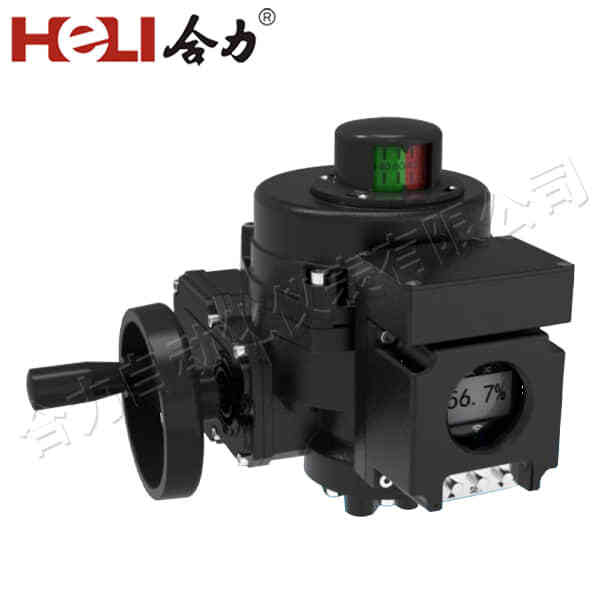
Electric actuator valves

electric actuator for valves: revolutionizing industrial automation

Electric actuators for valves have become a key component in modern industrial automation systems. These devices play a vital role in controlling the flow of liquids and gases in various industries, including water treatment, oil and gas, chemical processing, and power generation. Unlike traditional pneumatic or hydraulic actuators, electric actuators offer enhanced efficiency, precision, and ease of integration with modern control systems. This article explores the significance, working principles, benefits, and applications of electric actuators in valve operations.

Electric actuator for valves

What is an Electric Actuator for Valves?

Electric actuator for valves

An electric actuator for valves is an electromechanical device that uses electric motors to drive the movement of a valve mechanism. The actuator converts electrical energy into mechanical motion, which is then transmitted to the valve, causing it to open, close, or regulate the flow rate. The electric actuator typically consists of an electric motor, gears, a drive mechanism, and control electronics. The entire system is designed to provide precise and reliable valve operation, often in automated or remotely controlled environments. Working Principles of Electric Actuators The primary function of an electric actuator for valves is to adjust the position of the valve in response to input from a control system. The actuator’s motor rotates a shaft, which is connected to the valve stem. Depending on the rotation, the valve either opens or closes, allowing fluid or gas to flow through the pipe.

Electric actuator for valves

valve electric actuator manufacturer: revolutionizing control systems with precision and efficiency

In the realm of industrial automation and control systems, valve electric actuators have become an indispensable component for a wide range of applications. Whether it’s regulating the flow of fluids, gases, or other substances, the role of these actuators in maintaining efficiency, precision, and safety cannot be overstated. As industries continue to demand higher performance and reliability, the evolution of valve electric actuators is a direct response to these needs. This article explores the significance of Valve Electric Actuator Manufacturers, the technology behind these actuators, and their impact on various industries.

Valve Electric Actuator Manufacturer

Understanding Valve Electric Actuators

Valve Electric Actuator Manufacturer

A valve electric actuator is a device that uses electric power to control the operation of a valve. Typically, it converts electrical energy into mechanical motion, which in turn adjusts the valve’s position to regulate the flow of materials through pipelines. These actuators are designed to be robust, efficient, and highly precise, ensuring that the valve responds accurately to commands without the need for manual intervention. Electric actuators come in various designs, depending on the type of valve they are meant to control. Common valve types include ball valves, gate valves, globe valves, and butterfly valves. Regardless of the specific application, the primary function remains the same: to provide reliable and automated control over valve positions.

Valve Electric Actuator Manufacturer

valve electric actuator manufacturer: highlighting helite automation’s excellence in the industry

In the world of industrial automation, valve electric actuators play a crucial role in managing the flow of fluids, gases, and other materials in pipelines and systems. These actuators, which are designed to operate valves precisely and efficiently, are vital in various sectors such as oil and gas, water treatment, HVAC, and power generation. Among the leading manufacturers of valve electric actuators, Helite Automation stands out as a key player, offering state-of-the-art technology and unmatched expertise in the field.

Valve Electric Actuator Manufacturer

The Importance of Valve Electric Actuators

Valve Electric Actuator Manufacturer

Valve electric actuators are devices that use electric motors to control the opening and closing of industrial valves. These actuators are essential for automating processes, enhancing safety, reducing the need for manual labor, and increasing the efficiency of operations. The growing demand for automation in industries across the globe has significantly increased the need for advanced and reliable valve electric actuators. The primary role of a valve electric actuator is to precisely control the valve’s position in response to commands from a control system. This enables operators to regulate the flow of liquids and gases in a controlled and efficient manner. The actuator’s performance directly impacts the overall system’s reliability, making it crucial to select high-quality actuators that can provide accurate control, durability, and minimal downtime.

Valve Electric Actuator Manufacturer

understanding electric actuator valves: key features and applications

Electric actuator valves are integral components in modern industrial automation systems. These devices combine electric actuators and control valves to regulate the flow of liquids, gases, and slurries in various applications, from manufacturing plants to water treatment facilities. As industries continue to prioritize efficiency, reliability, and precision, electric actuator valves have gained prominence due to their automation capabilities and ability to reduce human intervention in controlling processes.

Electric actuator valves

What Are Electric Actuator Valves?

Electric actuator valves

An electric actuator valve is essentially a valve that is powered by an electric motor rather than traditional methods like pneumatic or hydraulic power. The actuator receives an electrical signal, typically from a controller or system, and translates it into mechanical movement to open, close, or modulate the valve position. This enables automated control of fluid or gas flow in a wide range of industries, from chemical processing to oil and gas production. The primary components of an electric actuator valve include: Electric Actuator – This is the motorized part of the system, which converts electrical energy into mechanical movement to operate the valve.

Electric actuator valves

valve electric actuator manufacturer: revolutionizing automation with cutting-edge technology

Valve electric actuators are essential components in the industrial automation sector, providing a reliable and efficient solution for controlling the opening and closing of valves in various applications. As industries continue to evolve, the demand for automation and precise control systems grows. Valve Electric Actuator Manufacturers play a pivotal role in meeting these needs, offering advanced solutions that enhance operational efficiency, safety, and reliability. In this article, we will explore the significance of valve electric actuators, their applications, and the role of manufacturers in driving innovation in this field.

Valve Electric Actuator Manufacturer

The Role of Valve Electric Actuators

Valve Electric Actuator Manufacturer

A valve electric actuator is a device that utilizes electric power to operate a valve. This actuator is typically integrated with a valve mechanism, such as ball, gate, globe, or butterfly valves, to control the flow of fluids or gases in pipelines. The electric actuator replaces manual operations, allowing for remote and automated control, which is especially important in large-scale systems that require precision and consistent operation. These actuators are powered by electric motors and controlled by electrical signals, typically sent from a controller or control system. This enables precise positioning of the valve and ensures the correct flow rate or shutoff, reducing human error and improving safety and efficiency in various industrial processes.

Valve Electric Actuator Manufacturer

electric actuator valves: revolutionizing control and automation systems

Electric actuator valves are becoming an increasingly vital component in the modern world of industrial automation. As industries strive for greater efficiency, precision, and cost-effectiveness, these valves are playing a key role in revolutionizing control systems across various sectors, including manufacturing, oil and gas, water treatment, and HVAC (heating, ventilation, and air conditioning). The fusion of electric actuators and valves has led to the creation of a system that offers reliability, ease of operation, and high-performance control over the flow of liquids, gases, and other materials.

Electric actuator valves

What Are Electric Actuator Valves?

Electric actuator valves

An electric actuator valve is a device that combines a valve and an electric actuator. The valve is used to regulate the flow of fluids, while the actuator is the mechanism that opens or closes the valve based on electric signals. In simple terms, the actuator uses an electric motor to move the valve to the desired position, whether it’s fully open, fully closed, or anywhere in between. These valves are widely used in industries that require automated control of fluid or gas flow without manual intervention. Electric actuators work by converting electrical energy into mechanical motion. They use motors, gears, and controllers to achieve precise positioning of the valve. These systems can be controlled remotely, which makes them ideal for applications where human intervention is difficult, dangerous, or impractical. Furthermore, electric actuator valves can be integrated with control systems to provide real-time feedback on valve performance, helping operators monitor and adjust processes efficiently.

Electric actuator valves

electric actuator for valves: revolutionizing automation and control systems

Electric actuators for valves have become a critical component in modern automation systems, significantly enhancing the efficiency and reliability of industrial processes across various sectors. Whether used in water treatment plants, chemical processing facilities, or HVAC systems, electric actuators provide an essential solution for controlling the flow of liquids and gases by opening and closing valves automatically. This article explores the benefits, working principles, and applications of electric actuators for valves, highlighting their importance in contemporary industries.

Electric actuator for valves

What is an Electric Actuator for Valves?

Electric actuator for valves

An electric actuator is a mechanical device that uses electrical energy to operate a valve. It typically consists of an electric motor, a gear mechanism, and a control system that translates electrical input into mechanical movement. The actuator drives the valve to its desired position, whether that means fully open, fully closed, or somewhere in between, depending on the requirements of the process. The electric actuator for valves plays a crucial role in automated systems by providing precise control over the flow of materials. The valve itself, often used for regulating, controlling, or directing fluid or gas flow, becomes more efficient and responsive when integrated with an electric actuator.

Electric actuator for valves

valve electric actuator manufacturer: driving innovation in industrial automation

Valve electric actuators are crucial components in industrial automation systems, and as a result, the role of a valve electric actuator manufacturer is indispensable in ensuring the smooth functioning of numerous industries. These actuators are used to control the operation of valves, regulating the flow of liquids, gases, and other materials within various mechanical systems. The growing demand for automation across sectors such as oil and gas, water treatment, chemical processing, and power generation has led to an increased focus on the design and production of high-performance valve electric actuators. This article will explore the significance of valve electric actuator manufacturers, their key products, and how their innovations contribute to efficiency and safety in industrial applications.

Valve Electric Actuator Manufacturer

What is a Valve Electric Actuator?

Valve Electric Actuator Manufacturer

At its core, a valve electric actuator is a device that uses electrical energy to operate a valve. It converts electrical signals from a control system into mechanical motion, which in turn adjusts the position of a valve to control the flow of fluids or gases through pipes or other systems. The actuator’s primary function is to provide precise control over the valve’s operation, ensuring the correct flow rate, pressure, and temperature are maintained according to the system’s requirements.

Electric actuators are widely used because of their reliability, precision, and ease of integration with automated systems. Unlike manual actuators, which require physical effort, electric actuators can be controlled remotely, making them ideal for applications where human intervention is impractical or hazardous. These actuators are particularly important in systems that require continuous or frequent adjustments, as they offer greater consistency and efficiency than manual alternatives.

Valve Electric Actuator Manufacturer

understanding electric actuator valves: key features, applications, and benefits

Electric actuator valves are essential components in modern automation systems, widely used across various industries due to their efficiency and versatility. These devices combine electric actuators with valves to control the flow of liquids or gases in piping systems, enhancing operational control and reducing manual intervention. In this article, we will explore the core features, applications, and advantages of electric actuator valves, offering insight into why they have become a cornerstone in industries ranging from manufacturing to oil and gas.

electric actuator valve

What is an Electric Actuator Valve?

electric actuator valve

An electric actuator valve is a valve mechanism that uses an electric actuator to open or close the valve, regulating the flow of substances through pipes. Electric actuators convert electrical energy into mechanical motion, which in turn moves the valve stem to change the position of the valve. This operation is precise, making it ideal for processes that require a high level of control. The electric actuator works through a motor that drives the valve’s movement, typically controlled by an external signal such as a 4-20 mA current, Modbus, or other control signals from a centralized system. The actuator adjusts the valve’s position—whether it is fully open, fully closed, or anywhere in between—based on the system’s demand.

electric actuator valve