Category Archives: Electronic and electrical

the advantages and applications of lithium battery electric pinch valve

In today’s rapidly evolving industrial world, the demand for more efficient and reliable control systems is ever-growing. One such innovation is the Lithium Battery Electric Pinch Valve, which has garnered significant attention due to its energy efficiency, reliability, and suitability for a variety of applications. This article delves into the fundamental characteristics, advantages, and diverse applications of lithium battery-powered electric pinch valves, showcasing how this technology is transforming industries worldwide.
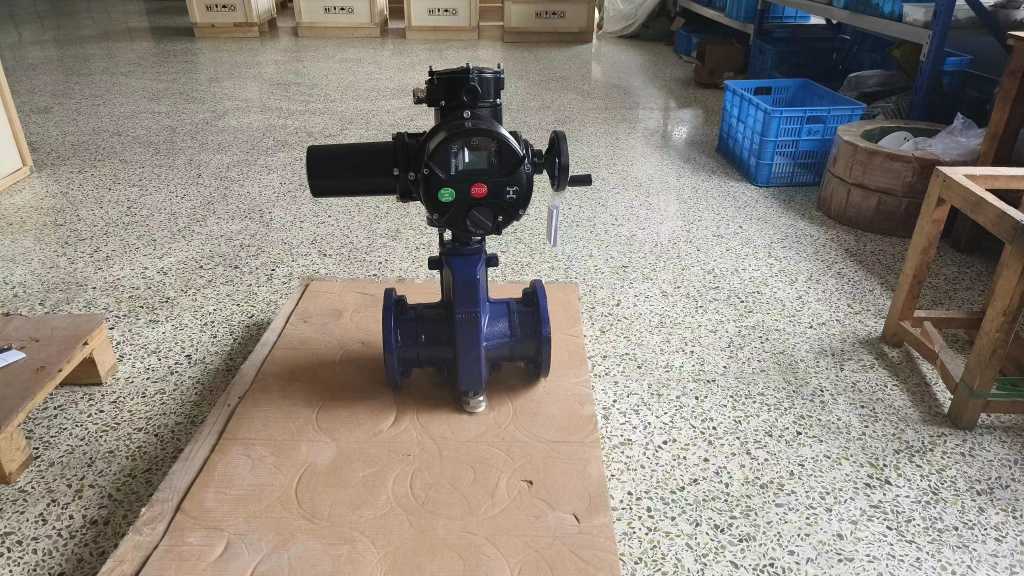
Lithium battery Electric pinch valve

What is a Lithium Battery Electric Pinch Valve? A pinch valve is a type of valve commonly used to control the flow of fluids, especially in systems where precise flow control is essential. Unlike conventional valves, pinch valves operate by compressing a flexible tube or hose, effectively “pinching” it closed to stop fluid flow. The valve opens and closes via an actuator, typically a mechanical or electric device. When powered by a lithium battery, the pinch valve becomes a self-contained, portable, and energy-efficient solution for remote or off-grid applications. The primary distinction of a lithium battery electric pinch valve lies in the combination of two technologies: electric actuation and lithium battery power. These valves are equipped with electric motors that control the pinch mechanism, powered by rechargeable lithium batteries that provide long-lasting and efficient performance. This energy source is especially beneficial in environments where access to a continuous power supply may be challenging.
understanding electric valves: a key component in modern automation systems

Electric valves are pivotal components in modern automation systems, offering enhanced control and precision in the regulation of fluid and gas flow. These valves, driven by electric actuators, are commonly used across industries to facilitate automatic control, reduce human intervention, and improve overall operational efficiency. As industries increasingly move toward automation, electric valves are becoming indispensable in ensuring the seamless operation of complex processes.

Electric valve

What is an Electric Valve?

An electric valve is a type of valve that uses an electric actuator to control the flow of liquids, gases, or slurries through a pipe or vessel. The actuator, which typically consists of an electric motor, converts electrical energy into mechanical motion to operate the valve mechanism. The valve itself is usually part of a larger system, where it can be integrated with controllers and sensors to achieve precise control of the fluid flow in response to varying system requirements. Electric valves come in a wide range of designs and are adaptable to many types of processes, from simple on-off control to complex proportional flow regulation. The two primary functions of electric valves are to either start/stop the flow of fluids or to regulate the flow rate or pressure based on set parameters.

Electric valve

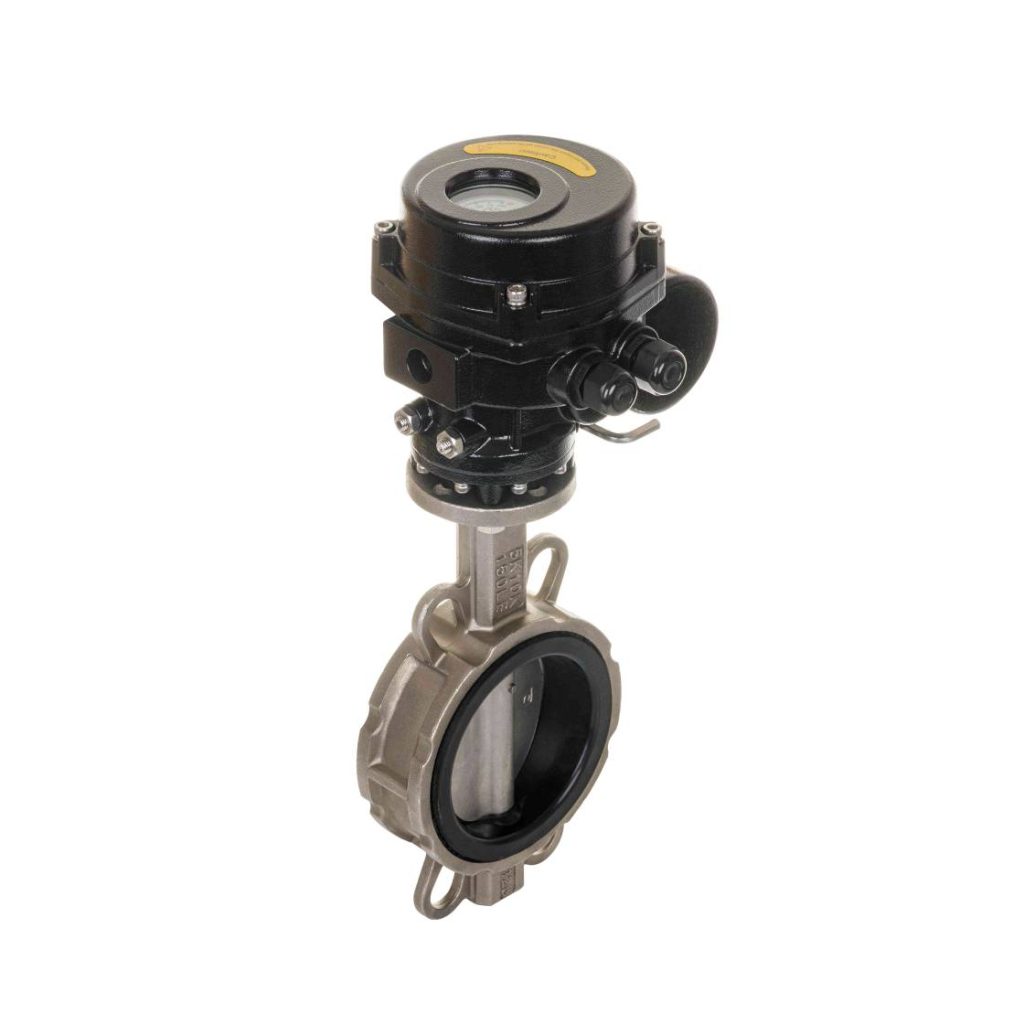
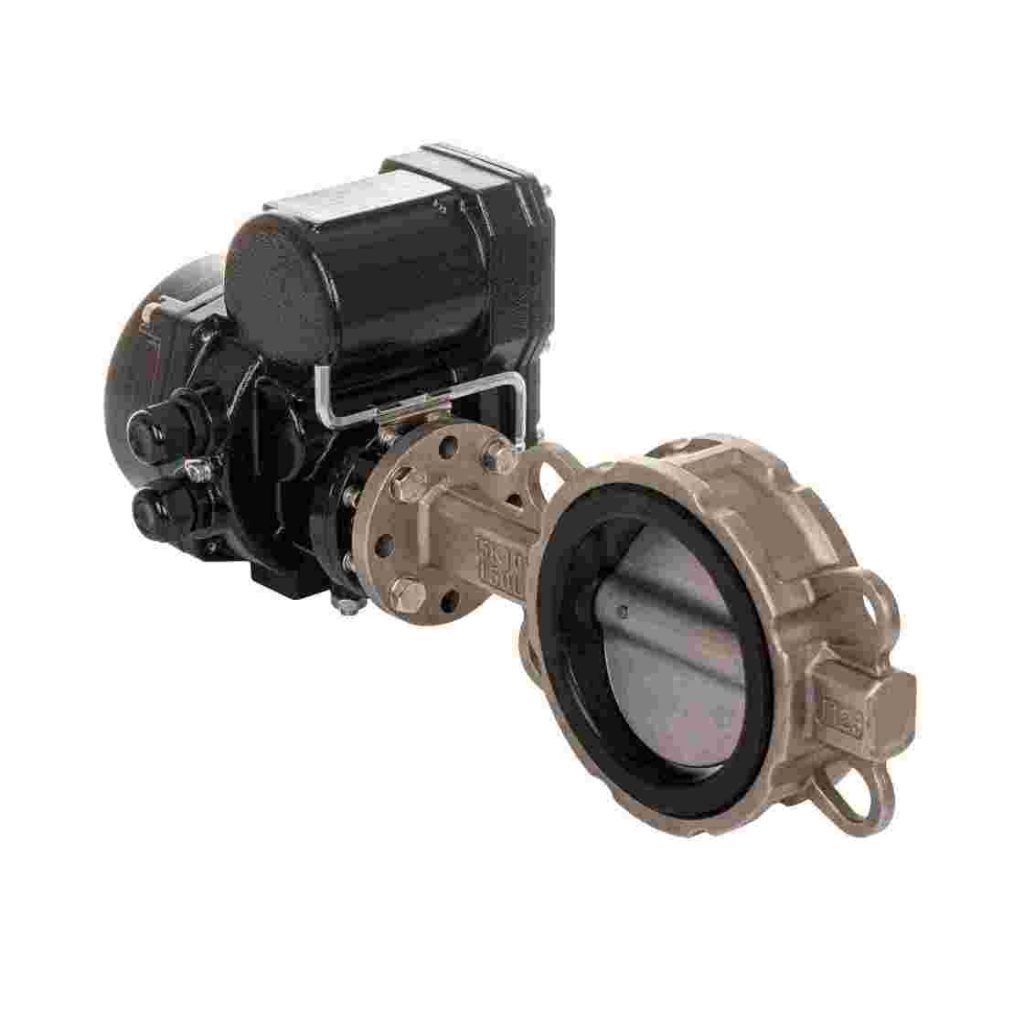
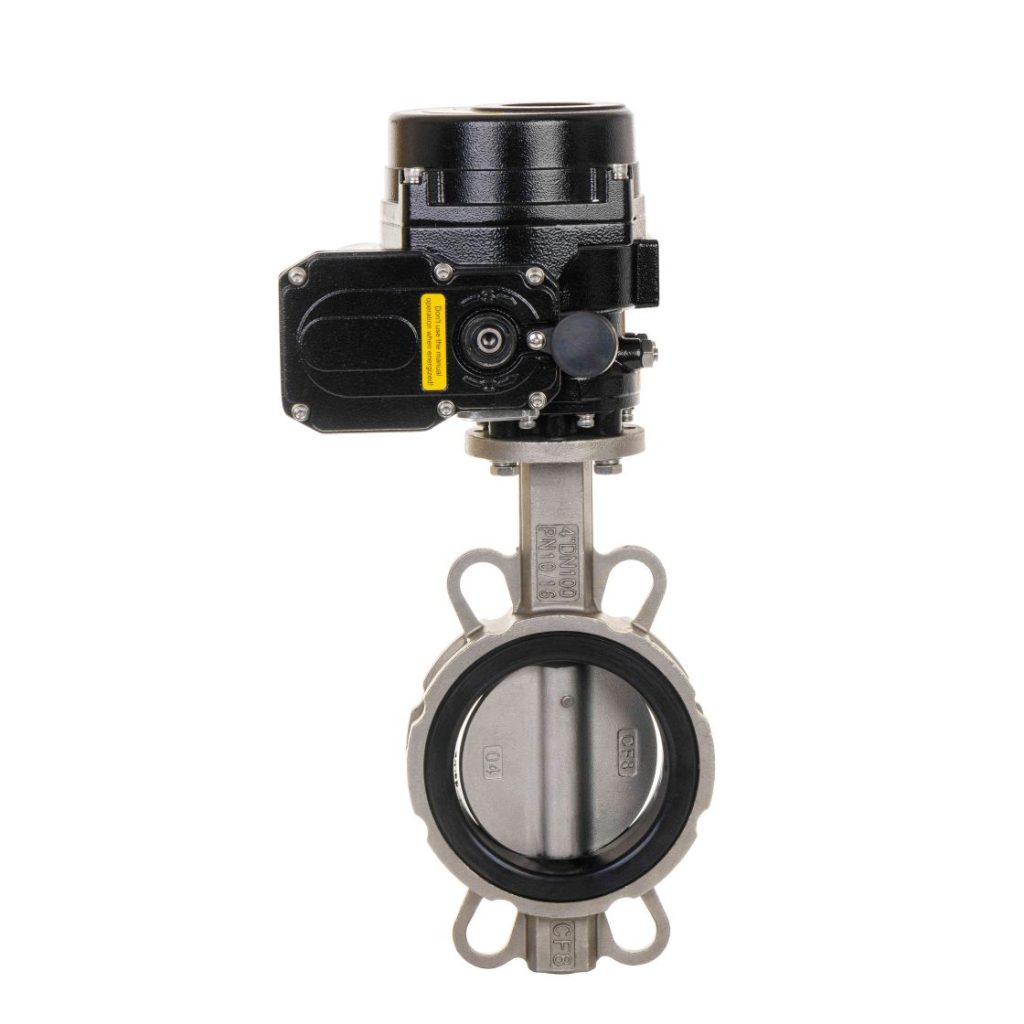
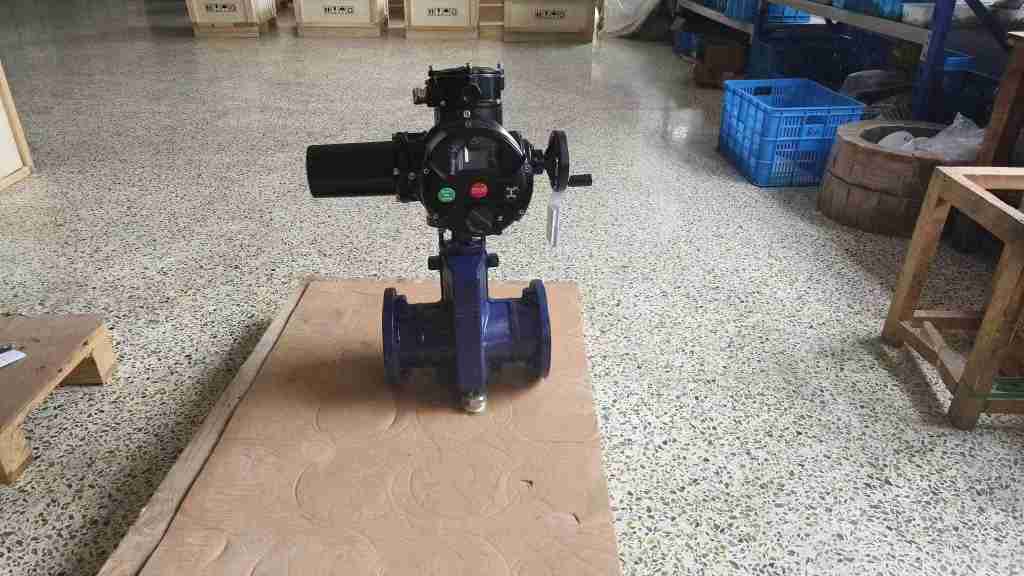
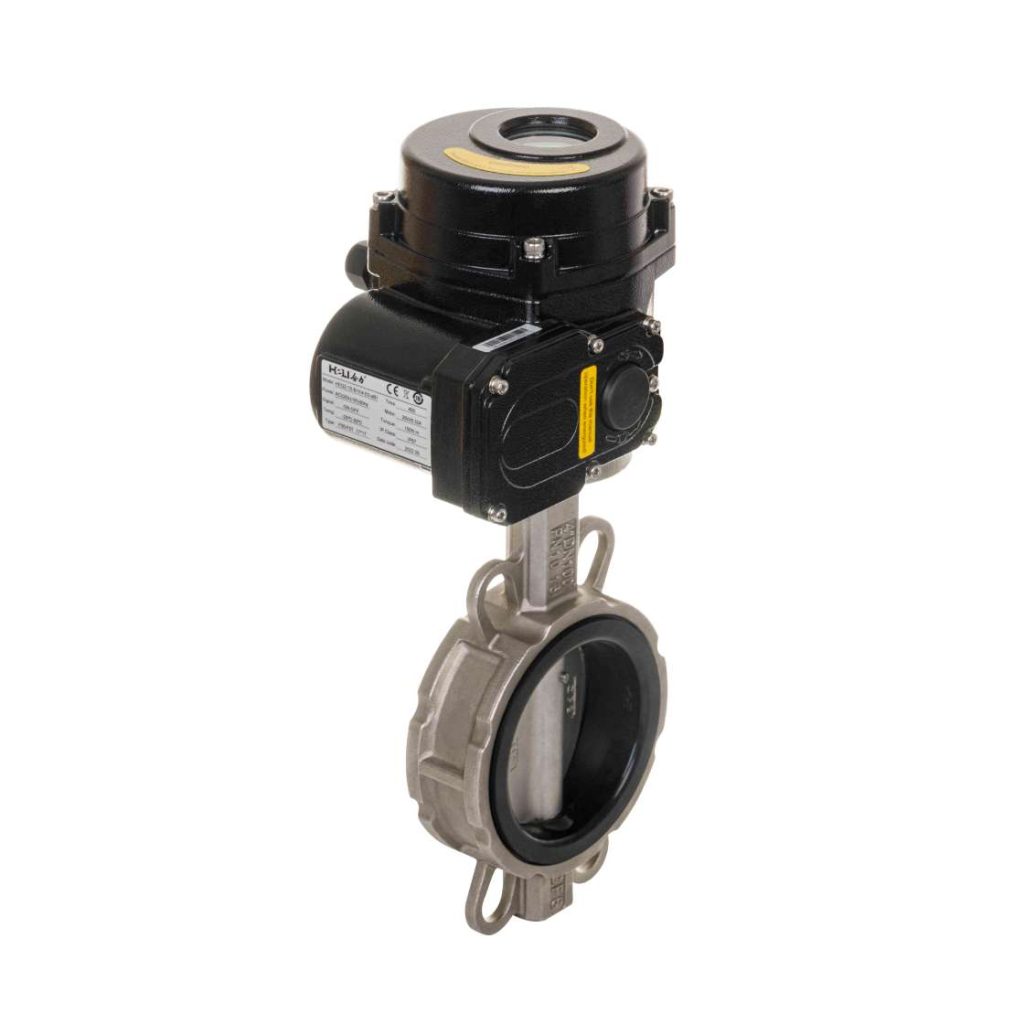
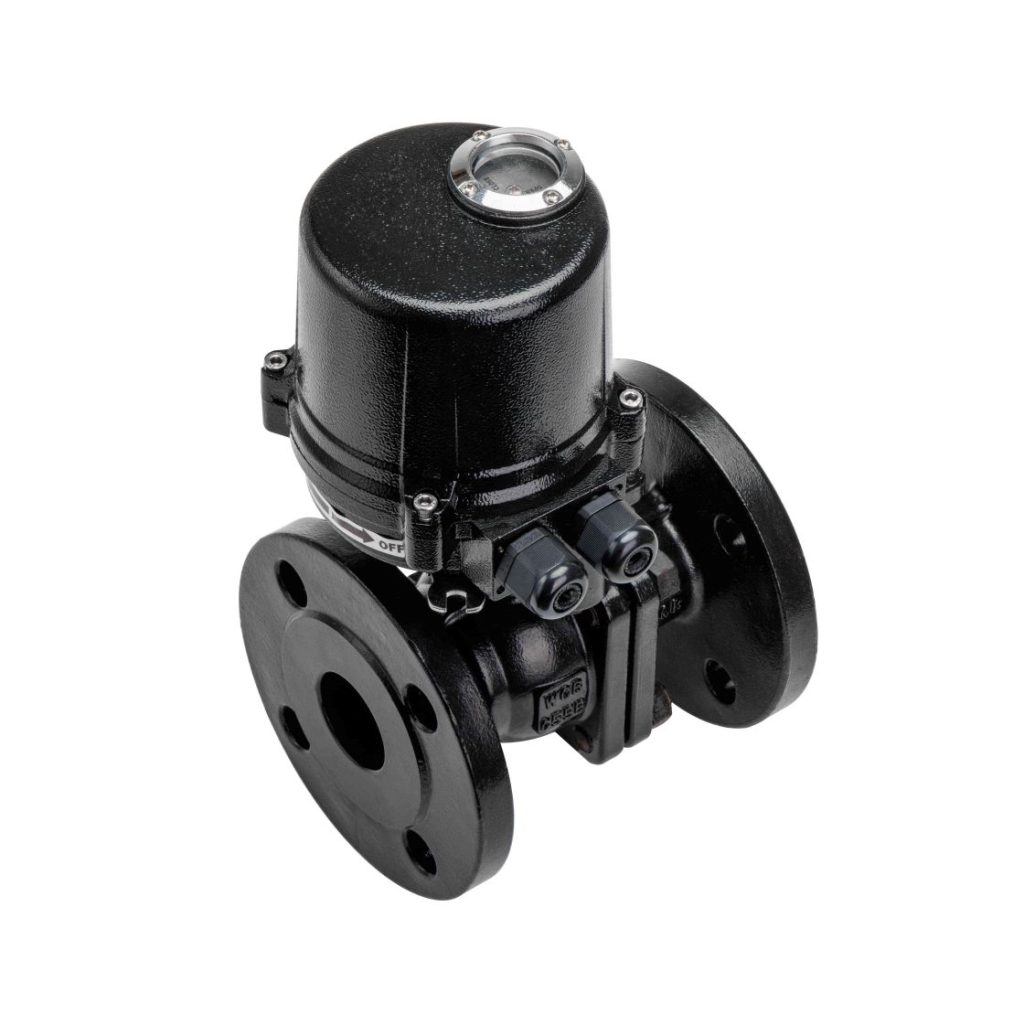
explosion-proof electric flanged soft seal butterfly valve: a comprehensive overview

In the realm of industrial automation and control systems, valves play a crucial role in managing fluid flow. Among the diverse range of valves available, theExplosion-proof Electric Flanged Soft Seal Butterfly Valvestands out for its unique design and functionality. This article delves into the characteristics, applications, benefits, and maintenance considerations of this essential equipment.

Understanding the Explosion-proof Electric Flanged Soft Seal Butterfly Valve

The Explosion-proof Electric Flanged Soft Seal Butterfly Valve is a specific type of valve designed to control the flow of liquids and gases in various industrial processes. The term “butterfly valve” refers to the disc-like structure within the valve, which rotates to open or close the flow path. The valve is classified as “flanged” due to its flanged connections, which allow for easy installation and integration into piping systems. The “soft seal” feature refers to the valve’s sealing mechanism, which typically employs a resilient material (such as rubber or elastomer) to ensure a tight seal. This design minimizes leakage and enhances the valve’s efficiency. The “explosion-proof” aspect is critical for applications in hazardous environments, where the risk of explosion or fire is a concern. Such valves are built to withstand potential explosive atmospheres, thereby ensuring safety and compliance with industry standards.

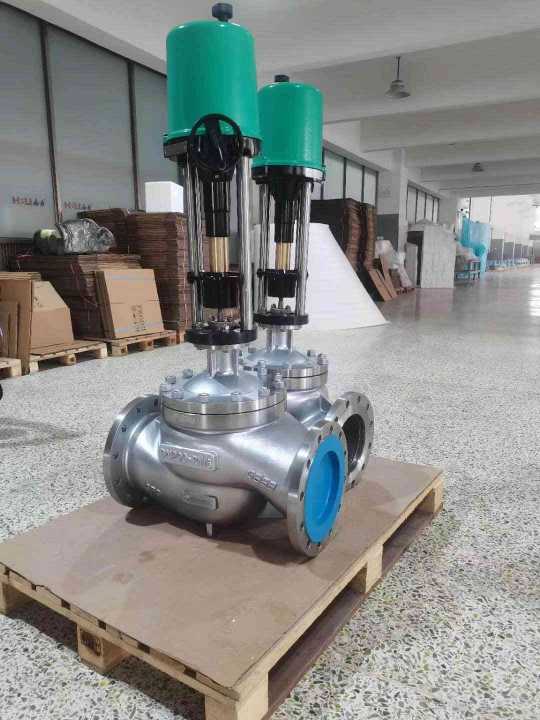
electric single seat regulating valve manufacturer: a key component for precision control in industrial systems

The demand for precise flow control in industrial processes is ever-growing, with sectors like chemical manufacturing, water treatment, power generation, and HVAC relying heavily on equipment that can manage and regulate the flow of fluids with accuracy and efficiency. Among the various tools designed for this purpose, Electric Single Seat Regulating Valves have emerged as essential components in ensuring consistent process regulation. This article delves into the role of electric single seat regulating valve manufacturers, the technology behind these valves, and their critical applications across industries.

Electric single seat regulating valve manufacturer

The Basics of Electric Single Seat Regulating Valves Electric single seat regulating valves are specialized valves that allow precise regulation of fluid flow in industrial processes. The “single seat” design refers to the valve’s configuration where a single sealing surface controls the flow of the medium. This design ensures a reliable and leak-proof shut-off, which is vital in applications where controlling the flow rate is necessary for optimal performance. The addition of an electric actuator further enhances the valve’s ability to perform in automated environments. An electric actuator enables precise, remote control of the valve’s position, making it a key component in automated systems. This combination of high-precision flow control and electrical actuation allows operators to adjust parameters remotely, reducing the need for manual intervention and improving overall system efficiency.

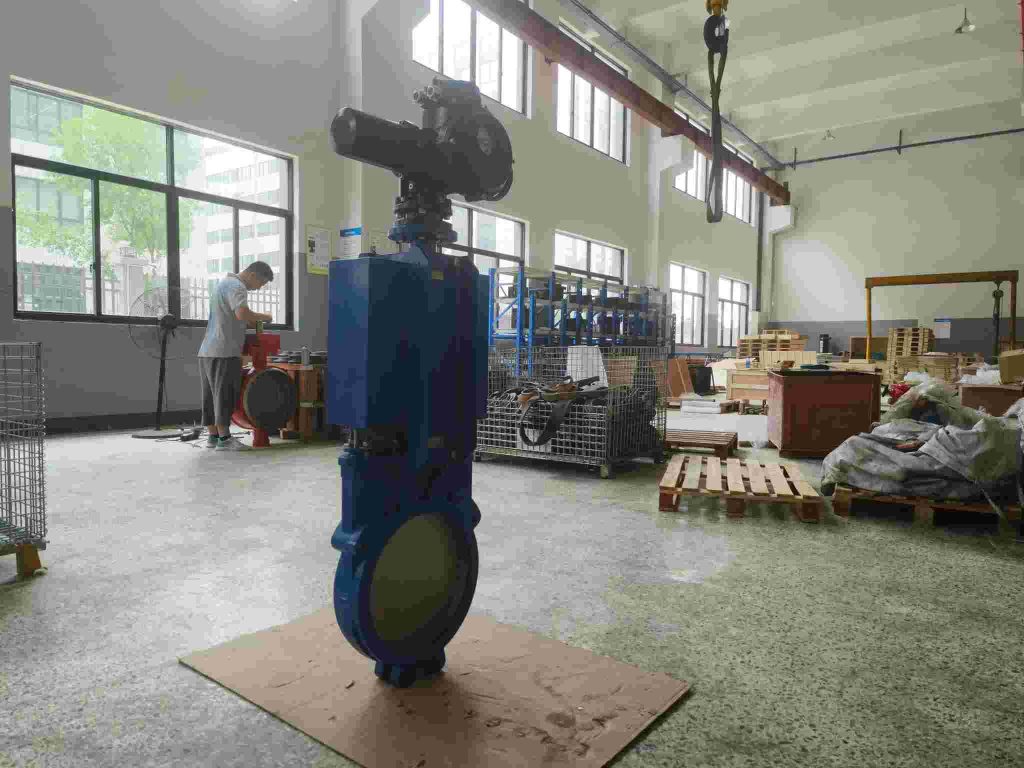
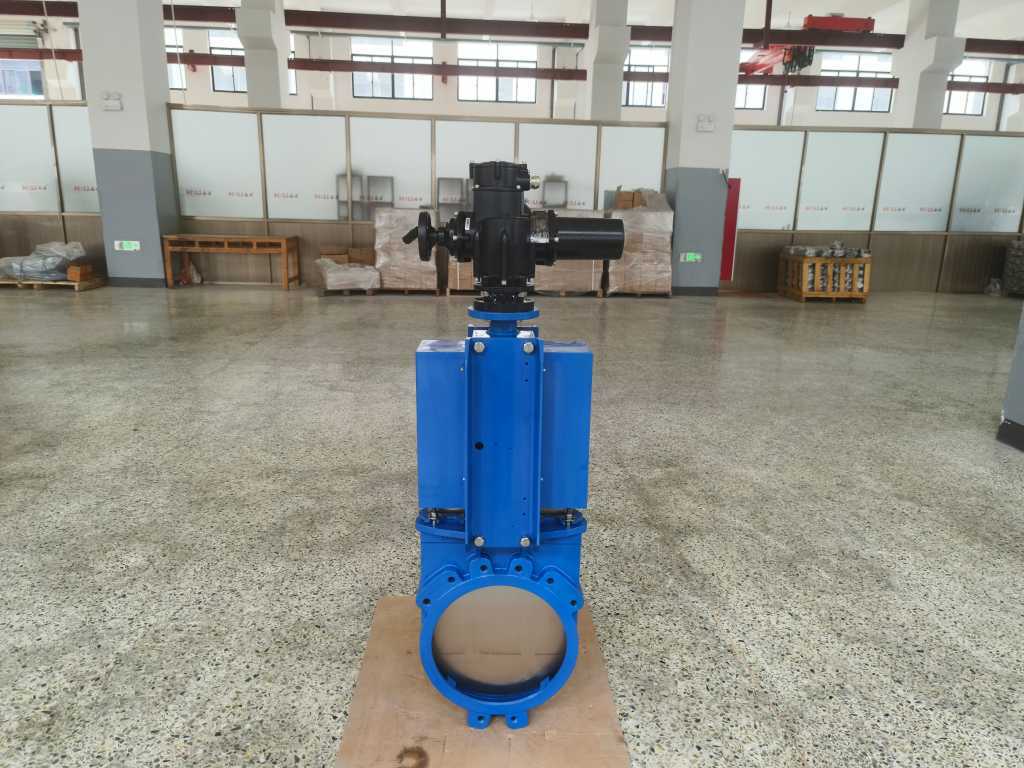
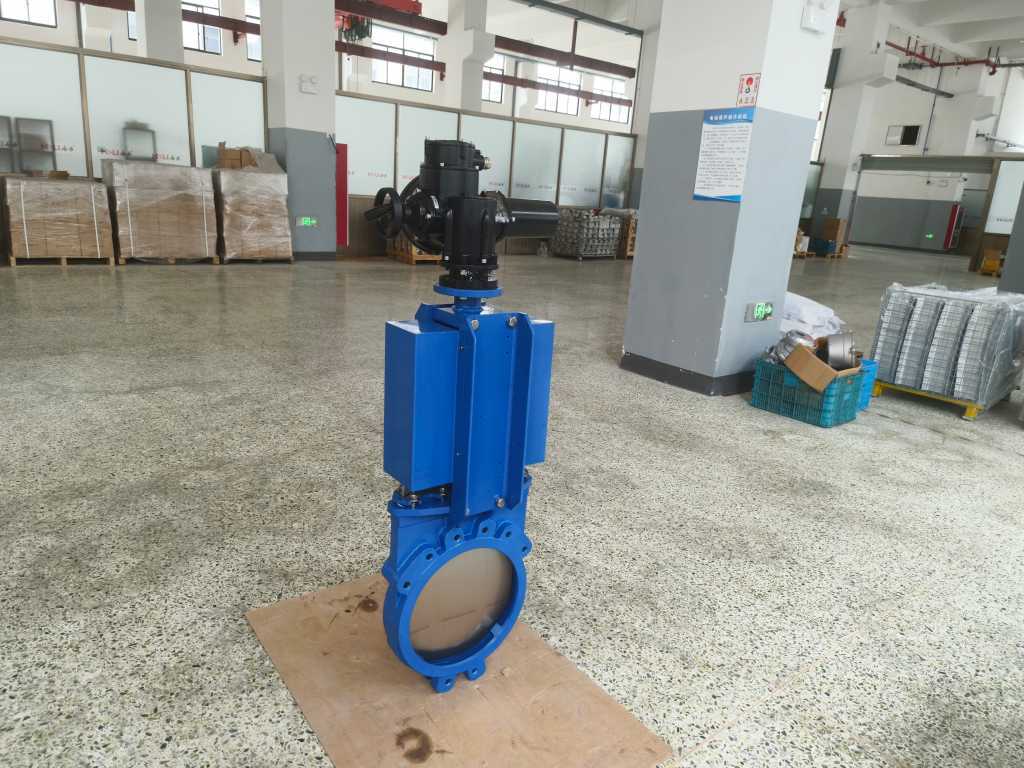
exploring the benefits and applications of lithium battery electric flat gate valve

The use of advanced valve technologies is an essential part of modern industrial systems, and the Lithium Battery Electric Flat Gate Valve stands out as one of the most innovative and efficient solutions for fluid control. This cutting-edge valve combines the benefits of electric actuation and lithium battery power, making it a reliable and sustainable option for industries requiring precise and automated flow control. In this article, we will explore the key features, benefits, and applications of the Lithium Battery Electric Flat Gate Valve.

1. Introduction to Lithium Battery Electric Flat Gate Valve

Lithium battery Electric flat gate valve

A flat gate valve is primarily used for on/off flow control in pipelines. The term “flat gate” refers to the valve’s design, where the gate is flat rather than a wedge or tapered design. This design allows for efficient sealing and reliable flow isolation, preventing leaks and ensuring minimal friction during operation. When combined with an electric actuator powered by lithium batteries, the flat gate valve gains an extra layer of functionality. The electric actuator enables remote or automated control, while the lithium battery provides a self-sustaining power source. This combination of features makes the valve highly suitable for applications where traditional power supplies are unavailable or impractical.

Lithium battery Electric flat gate valve

the importance of factories heaters: enhancing productivity and safety in industrial environments

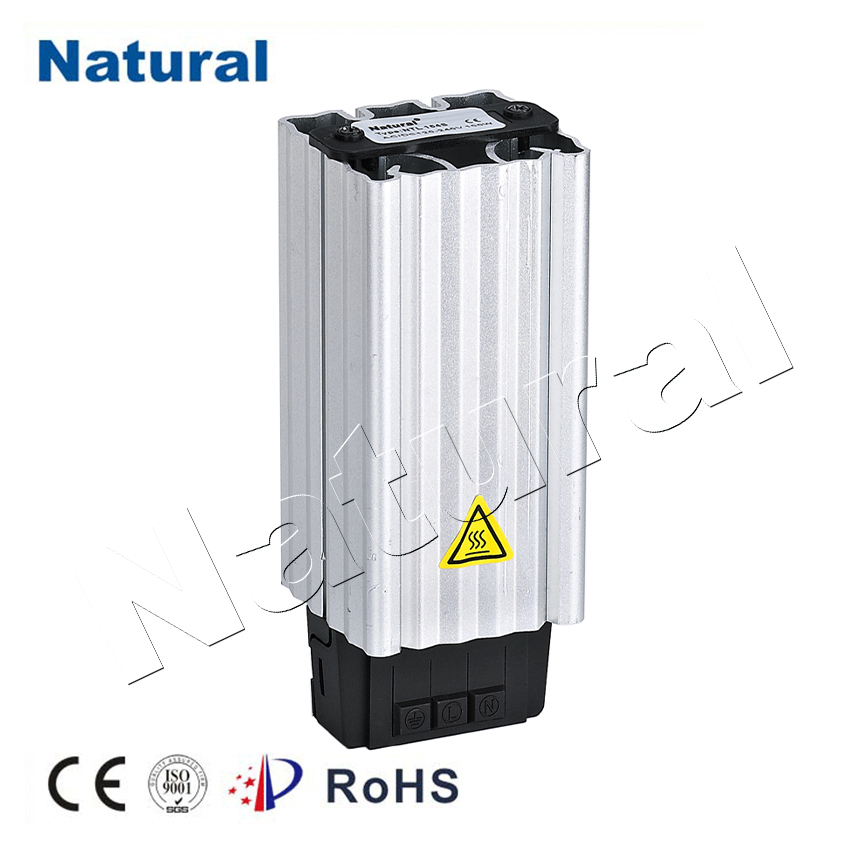
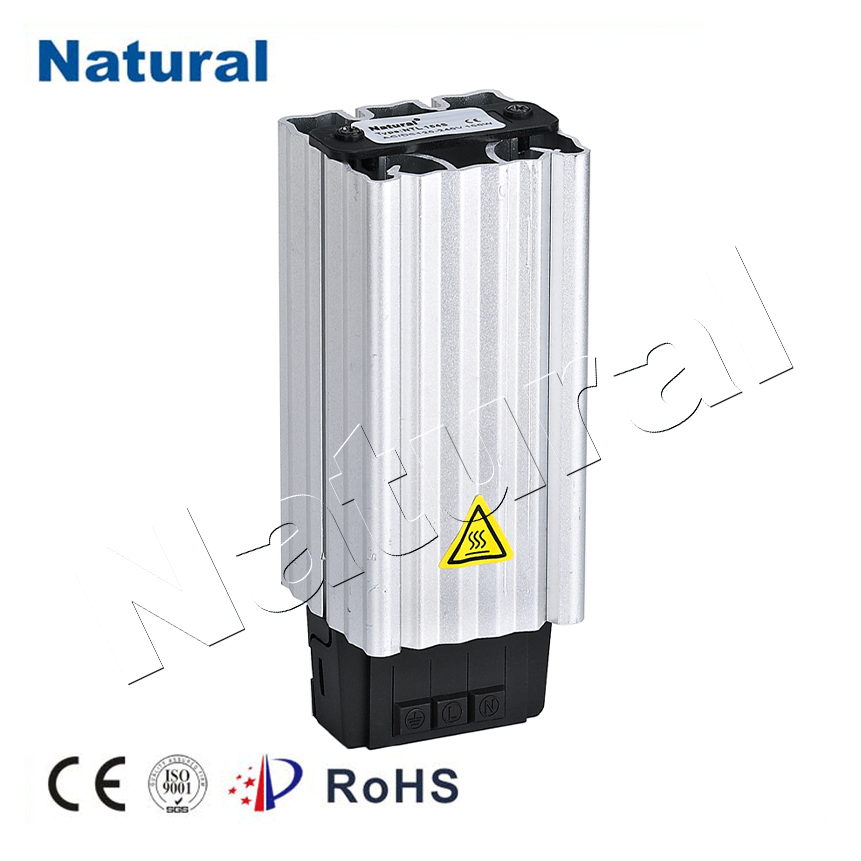
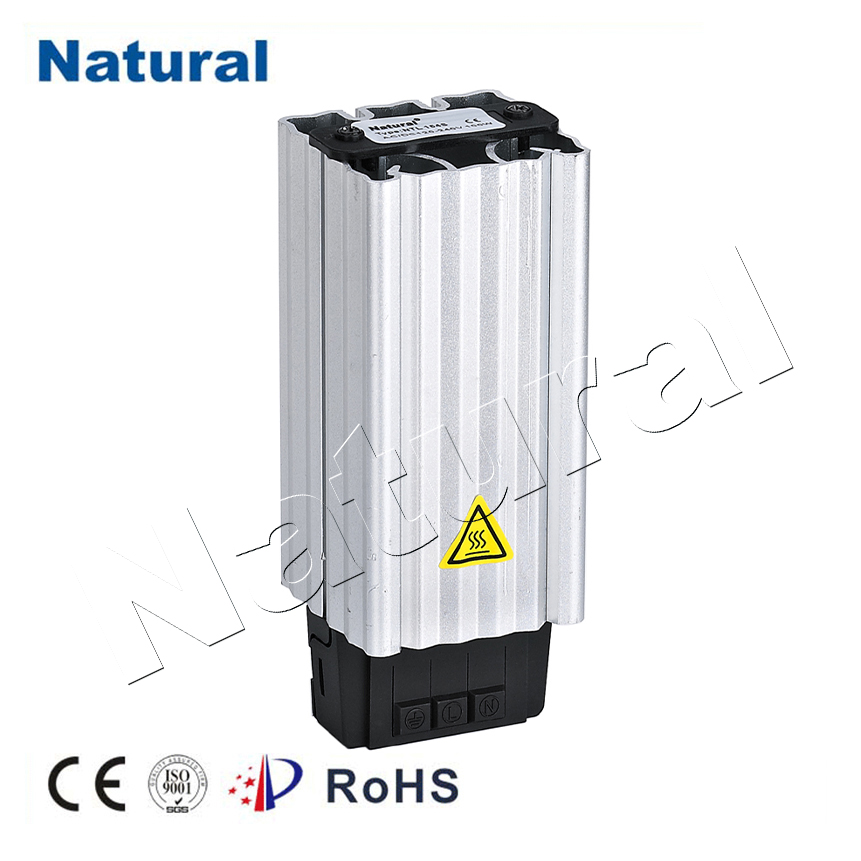
In the industrial world, maintaining an optimal working environment is essential for maximizing productivity, ensuring safety, and extending the lifespan of equipment. One crucial component in achieving this goal is the use of factory heaters. Whether it’s in a manufacturing facility, warehouse, or processing plant, heating systems play a pivotal role in regulating temperature, preventing equipment malfunctions, and providing a comfortable space for workers to operate. This article will explore the importance of factory heaters, how they contribute to the overall functioning of factories, and the different types of heating solutions available to industries today.

factories heater

The Need for Heaters in Factories

factories heater

Factories often deal with varying temperatures depending on the season, geographical location, and the nature of the processes involved. In colder climates, harsh winter temperatures can cause delays in production and even affect the machinery. Freezing temperatures can lead to the solidification of lubricants, causing mechanical parts to seize up, and many industrial materials can become brittle in extreme cold. Workers in unheated environments are also at risk of fatigue and injuries caused by cold stress. Thus, installing efficient heating systems in factories is vital to maintain a consistent temperature that optimizes both machinery performance and human comfort. Factories that lack proper heating may experience slower production times, increased downtime for repairs, and a general decline in operational efficiency.

factories heater

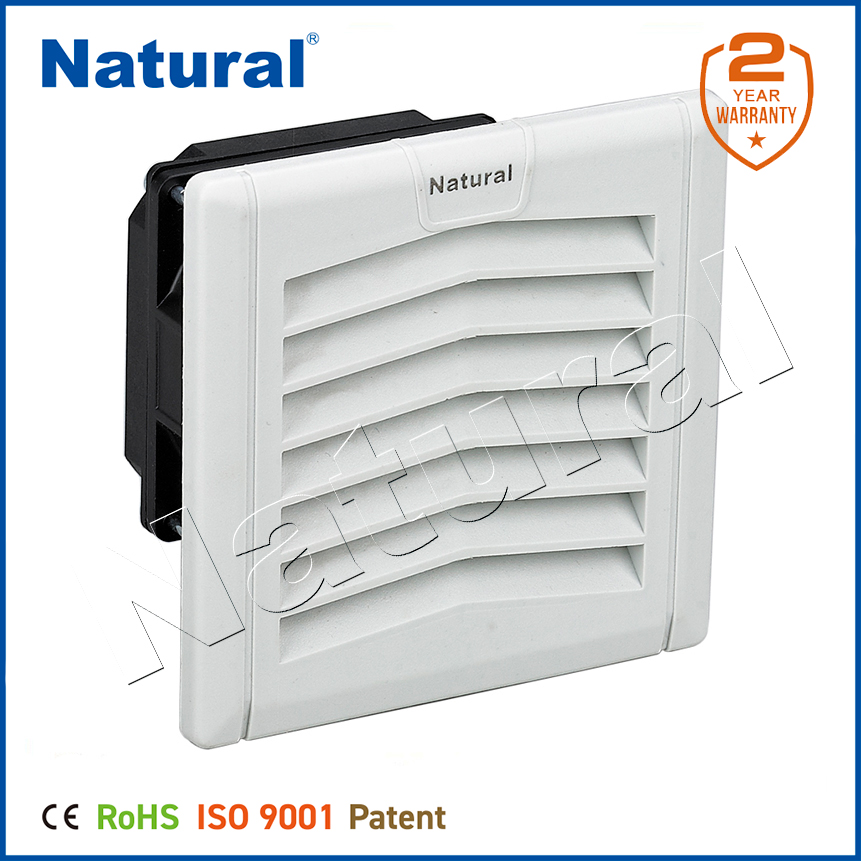
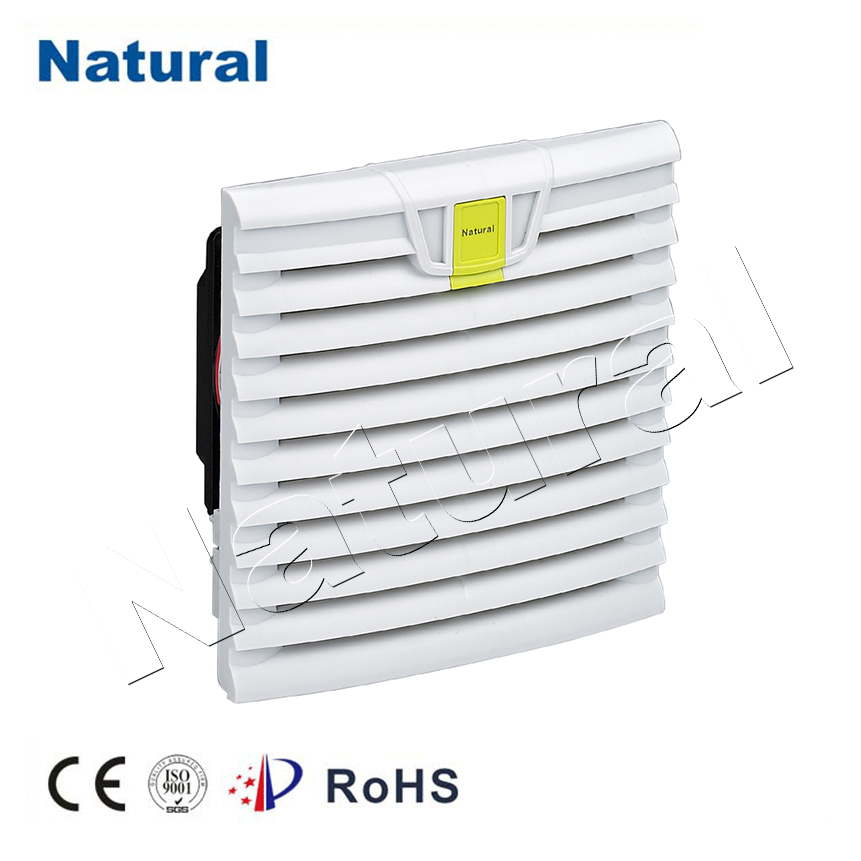
the role of fan and filter in maintaining device efficiency and longevity

In modern electronics, efficient cooling and clean air circulation are crucial for maintaining device performance and longevity. Two components that play a significant role in this regard are fans and filters. These seemingly simple elements, when working together, help regulate temperature and ensure that electronic devices operate smoothly without overheating or accumulating harmful dust. This article explores the importance of fans and filters in various applications, how they function, and why they are essential for preserving the life of electronic equipment.

fan and filter

The Function of Fans

A fan, in its simplest form, is a mechanical device that moves air to promote cooling. In electronics, fans are primarily used to prevent overheating, which can lead to system failures, crashes, or even permanent hardware damage. The importance of fans becomes evident when we consider devices like computers, servers, and gaming consoles, all of which generate substantial heat during operation. When electrical components such as processors or graphics cards work, they produce heat due to the electrical energy passing through them. If this heat is not dissipated, it can lead to thermal throttling—where the system reduces its performance to prevent overheating—or, in worse cases, complete failure of the hardware. To mitigate this, fans work by circulating air, pushing hot air out of the device, and drawing cooler air in to maintain an optimal temperature.

electric pinch valve oem manufacturer: revolutionizing fluid control solutions

Electric pinch valves have emerged as a crucial component in many industries where precise flow control and minimal contamination are essential. As a result, the demand for Electric Pinch Valve OEM (Original Equipment Manufacturer) manufacturers has surged. These manufacturers specialize in providing custom-designed valves for businesses seeking reliable and efficient fluid control systems. This article explores the importance of Electric Pinch Valve OEM manufacturers, their role in the industry, and how they contribute to the development of high-quality solutions for various applications.

Electric pinch valve oem manufacturer

The Role of Electric Pinch Valves At its core, an Electric Pinch Valve is a type of valve designed to control the flow of fluids in a pipe by pinching the tube or diaphragm closed. Unlike traditional valves, which use mechanical components to block or allow the flow, electric pinch valves rely on an electric actuator to apply pressure to the valve mechanism. This design makes them ideal for handling abrasive, slurry-like, or viscous materials without the risk of clogging or damage to the valve itself. These valves are particularly beneficial in industries where hygiene and contamination control are critical, such as food processing, pharmaceuticals, and water treatment.

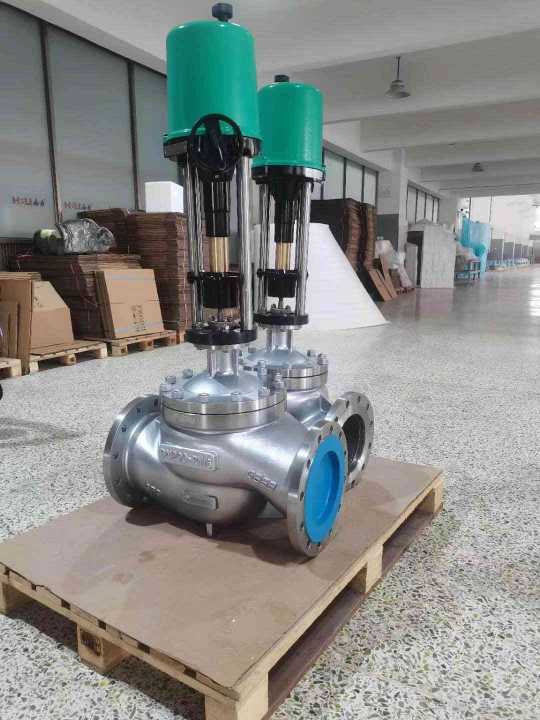
the stainless steel electric single seat regulating valve: a reliable solution for precision flow control

The Stainless Steel Electric Single Seat Regulating Valve is a crucial component in a wide range of industrial applications where precise flow regulation and durability are essential. Combining the strength and resistance of stainless steel with the precision of electric control, this valve type is commonly used in sectors like chemical processing, pharmaceuticals, food and beverage, and water treatment. In this article, we explore its key features, applications, and advantages.

Stainless steel Electric single seat regulating valve

1. What is a Stainless Steel Electric Single Seat Regulating Valve? A Stainless Steel Electric Single Seat Regulating Valve is a valve that is designed for regulating the flow of fluids—either liquids or gases—through a pipeline or process system. The term “single seat” refers to the valve’s design, which typically consists of a single valve seat where the valve plug or disc interacts with the seat to control fluid flow. This configuration offers simplicity and reliability, ensuring precise flow control. The valve is equipped with an electric actuator that allows remote control, eliminating the need for manual operation. The actuator receives electric signals, which dictate the valve’s position, providing highly accurate regulation of fluid flow. The use of stainless steel in its construction ensures durability and resistance to corrosion, making it ideal for demanding applications.

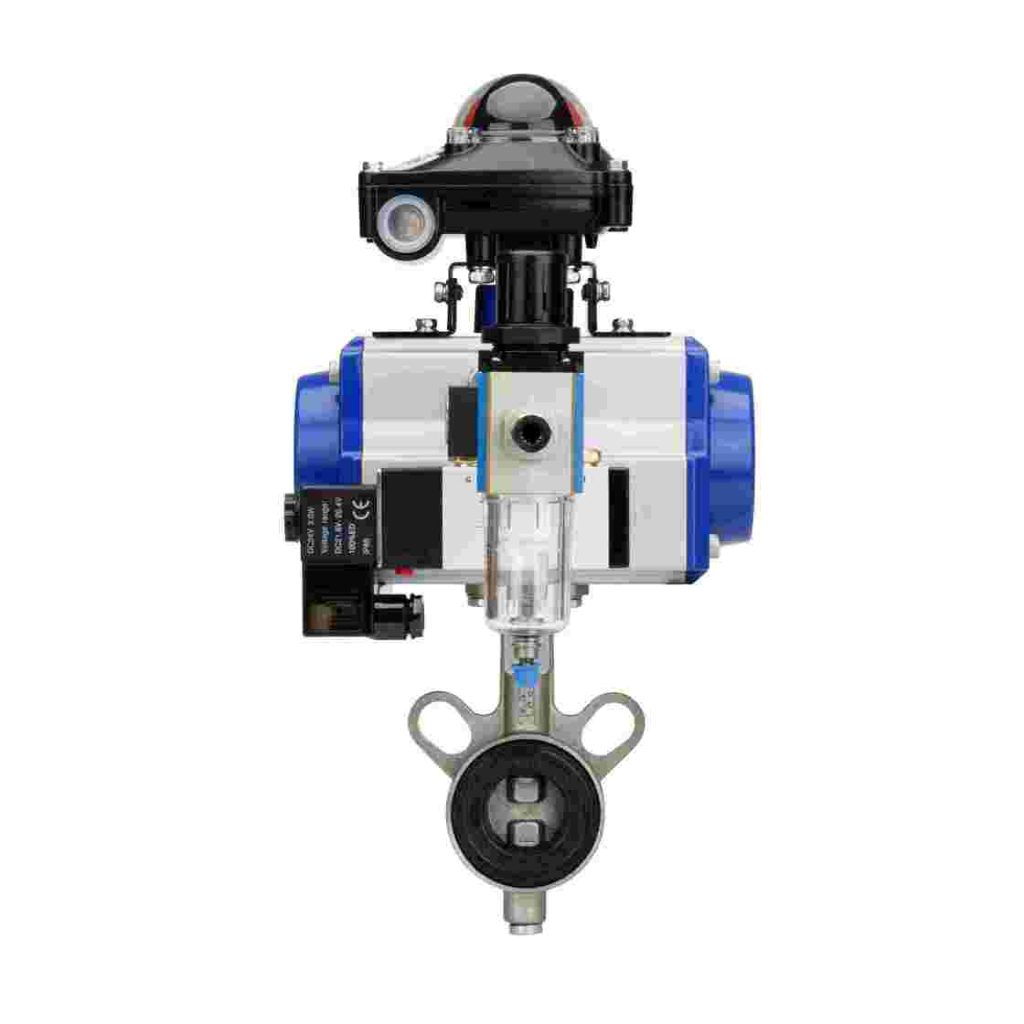
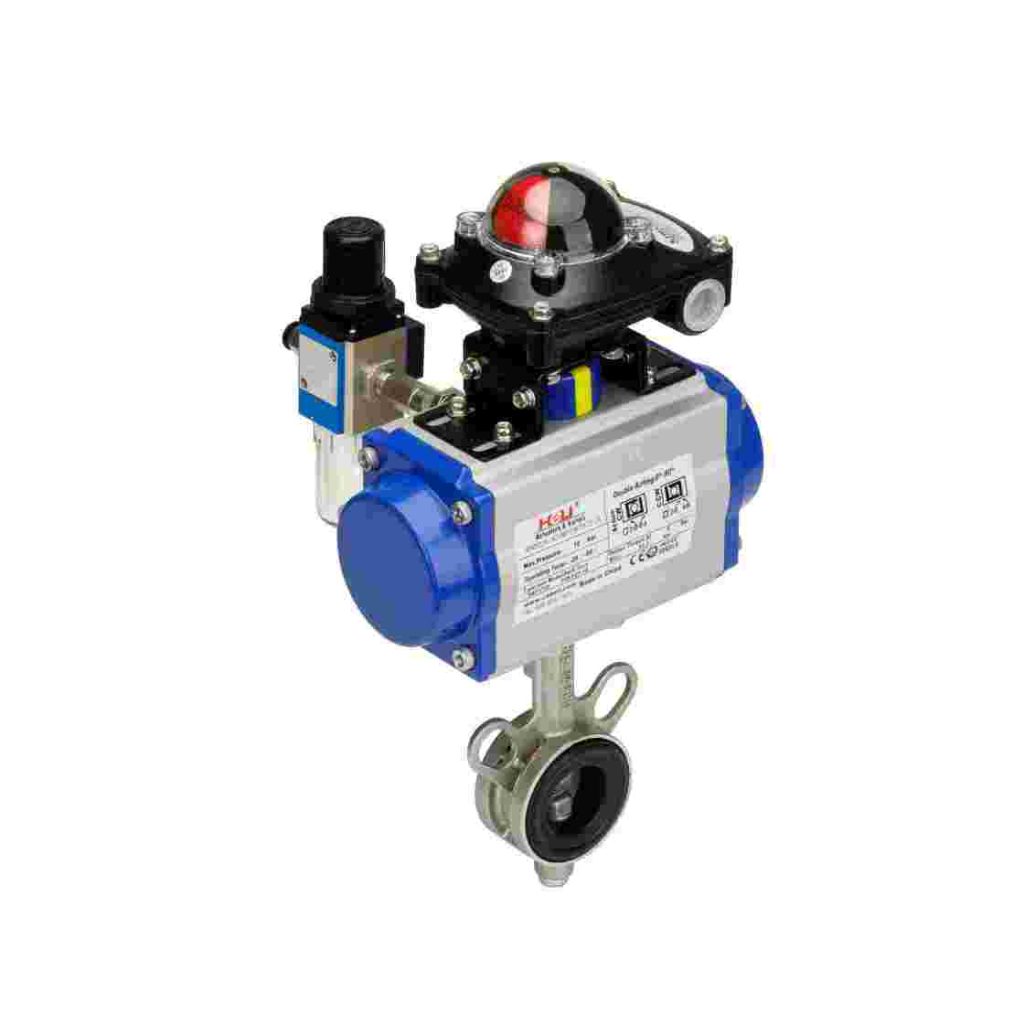
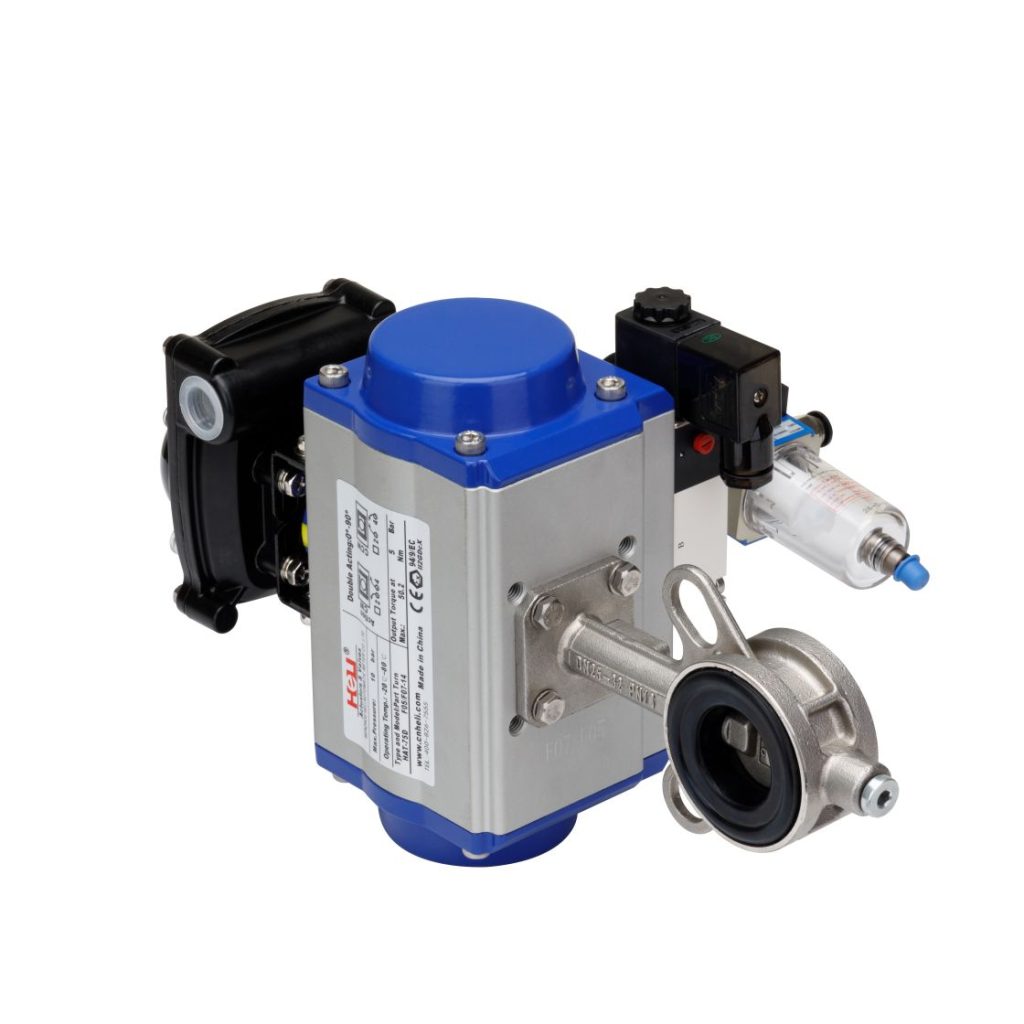
lithium battery pneumatic butterfly valve: a cutting-edge solution for industrial control

In the rapidly advancing industrial world, automation and efficient control of fluid systems have become critical in maintaining optimal operation and safety standards. Among the various control devices, Lithium Battery Pneumatic Butterfly Valves stand out as an innovative solution that combines the reliability of pneumatic systems with the convenience of lithium battery-powered electrical controls. This hybrid technology has opened new possibilities for industries where reliable, cost-effective, and autonomous control systems are in high demand.

What is a Lithium Battery Pneumatic Butterfly Valve?

Lithium battery Pneumatic butterfly valve

A Lithium Battery Pneumatic Butterfly Valve integrates two core technologies: pneumatic drive mechanisms and lithium battery-powered control systems. Pneumatic butterfly valves, typically used in applications that require precise flow regulation of liquids and gases, are driven by compressed air. By adding a lithium battery-powered electrical system, these valves can operate without the need for an external power source, offering increased flexibility and reliability in remote or off-grid environments. The butterfly valve itself is a quarter-turn valve with a disc that rotates to regulate fluid flow. The pneumatic actuator, powered by compressed air, drives the movement of the disc, while the lithium battery system powers the electrical components that manage remote control and monitoring features. This combination of mechanical and electrical systems enables the valve to perform autonomously while maintaining high operational efficiency.