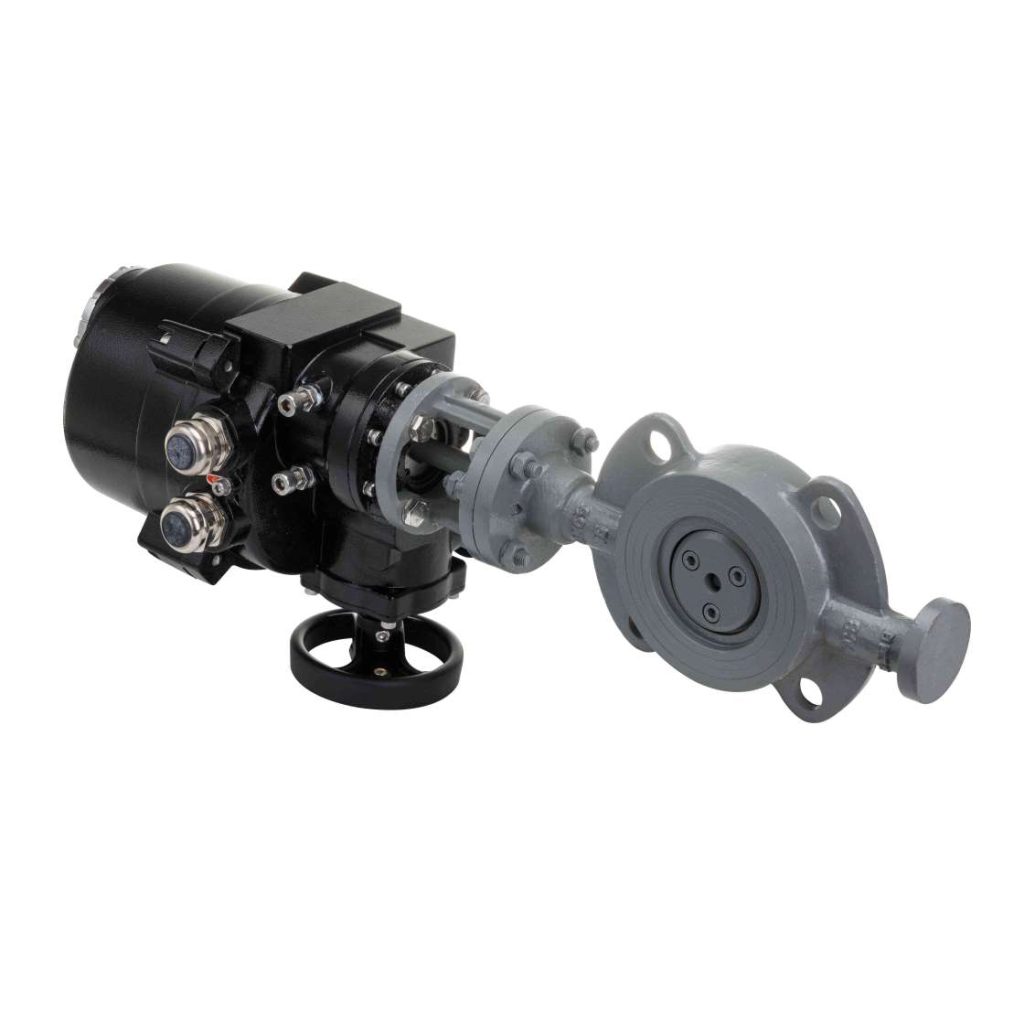
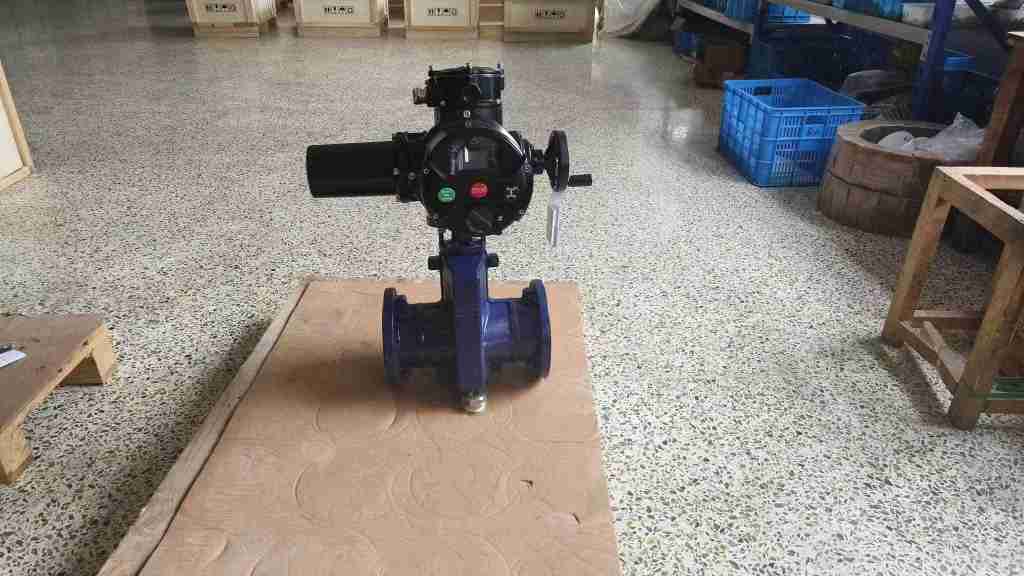
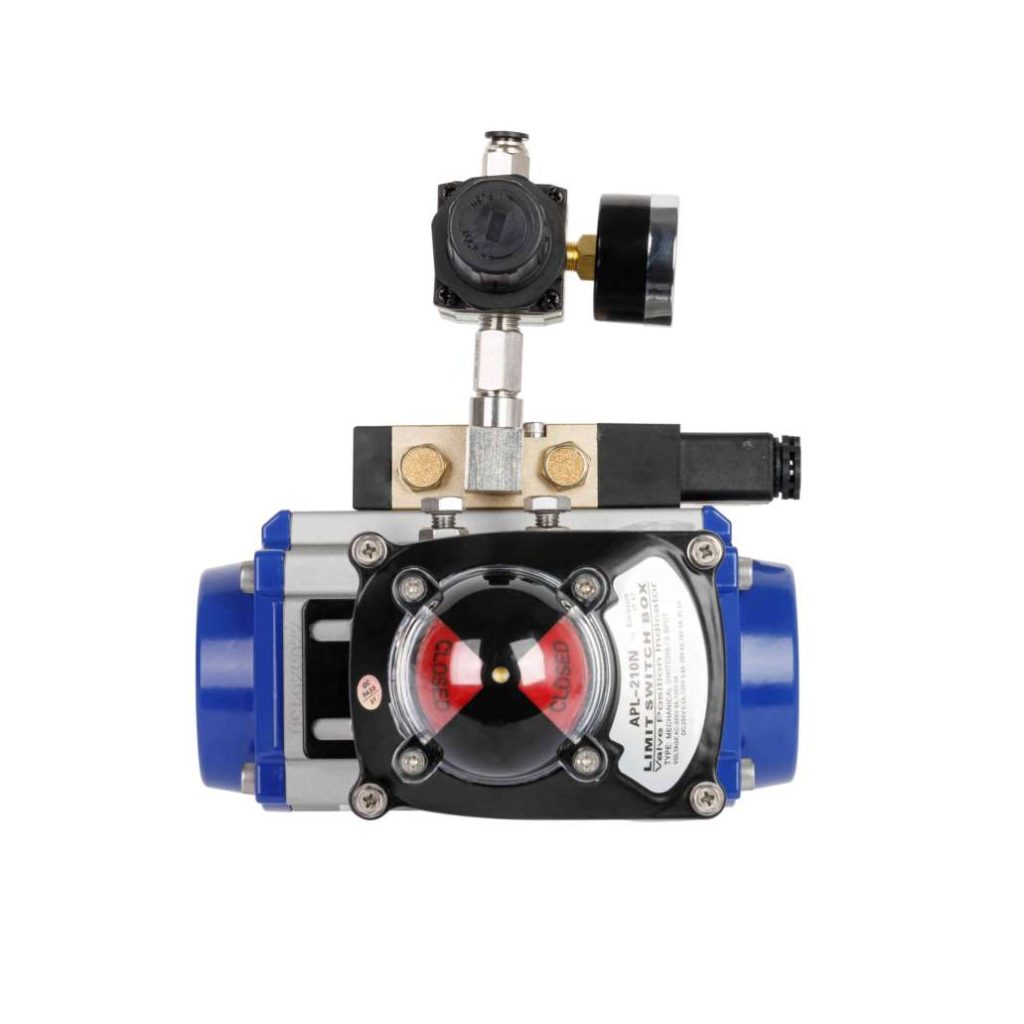
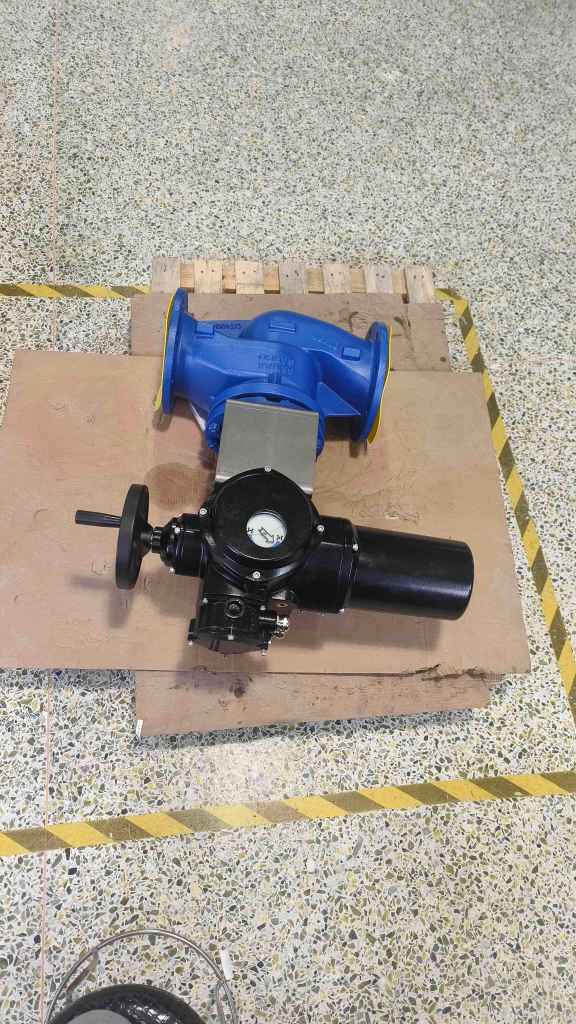
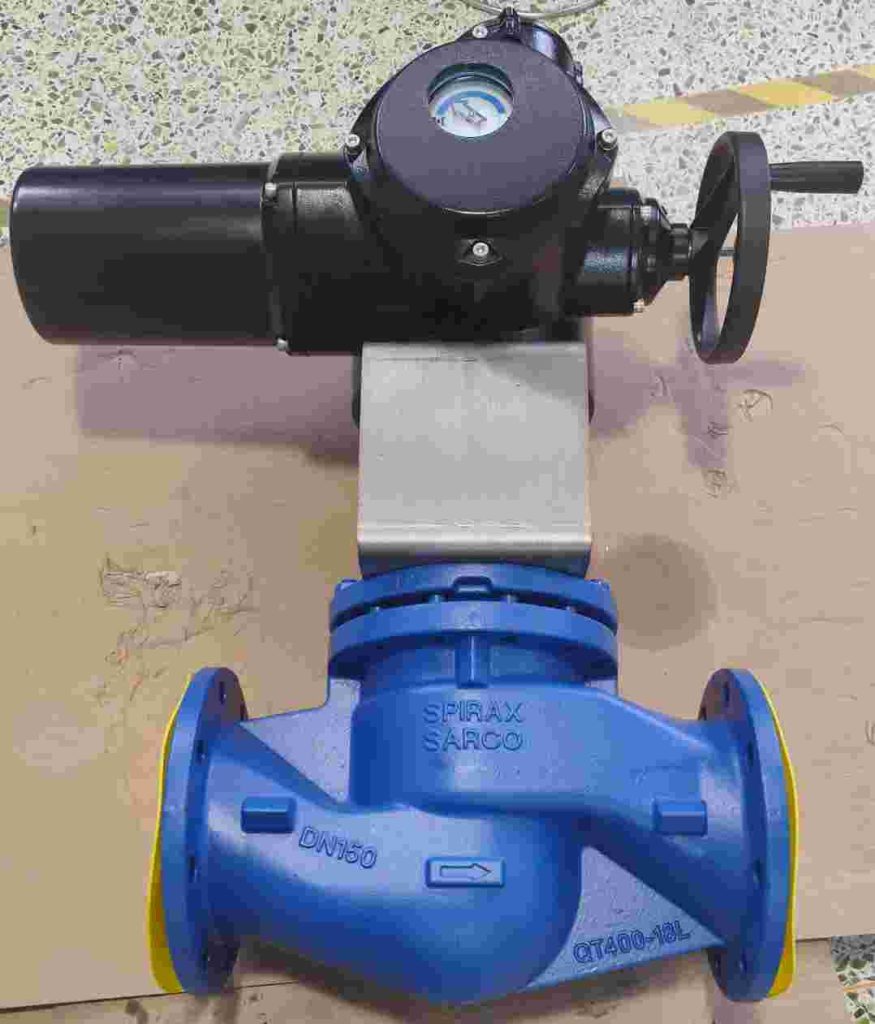
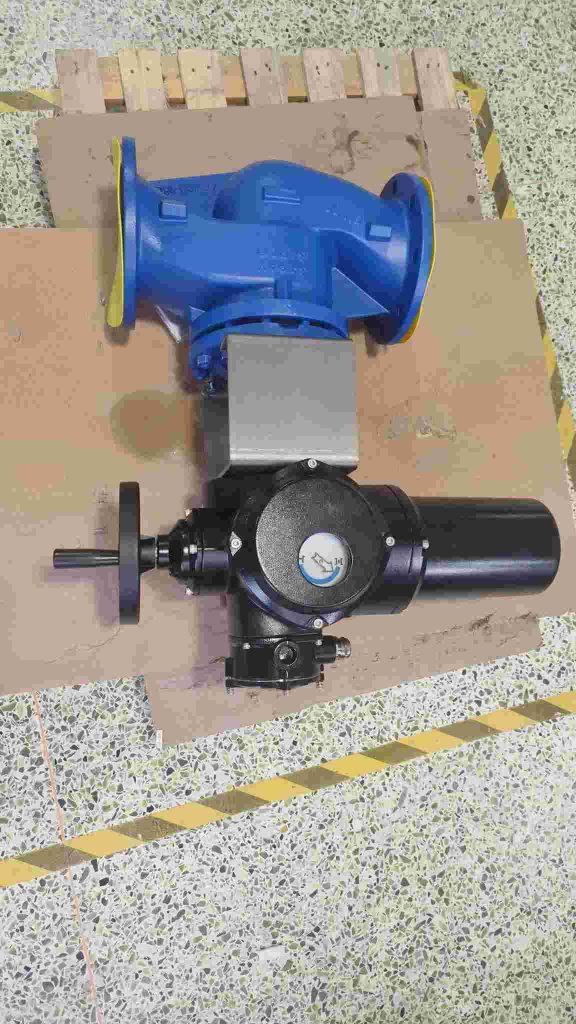
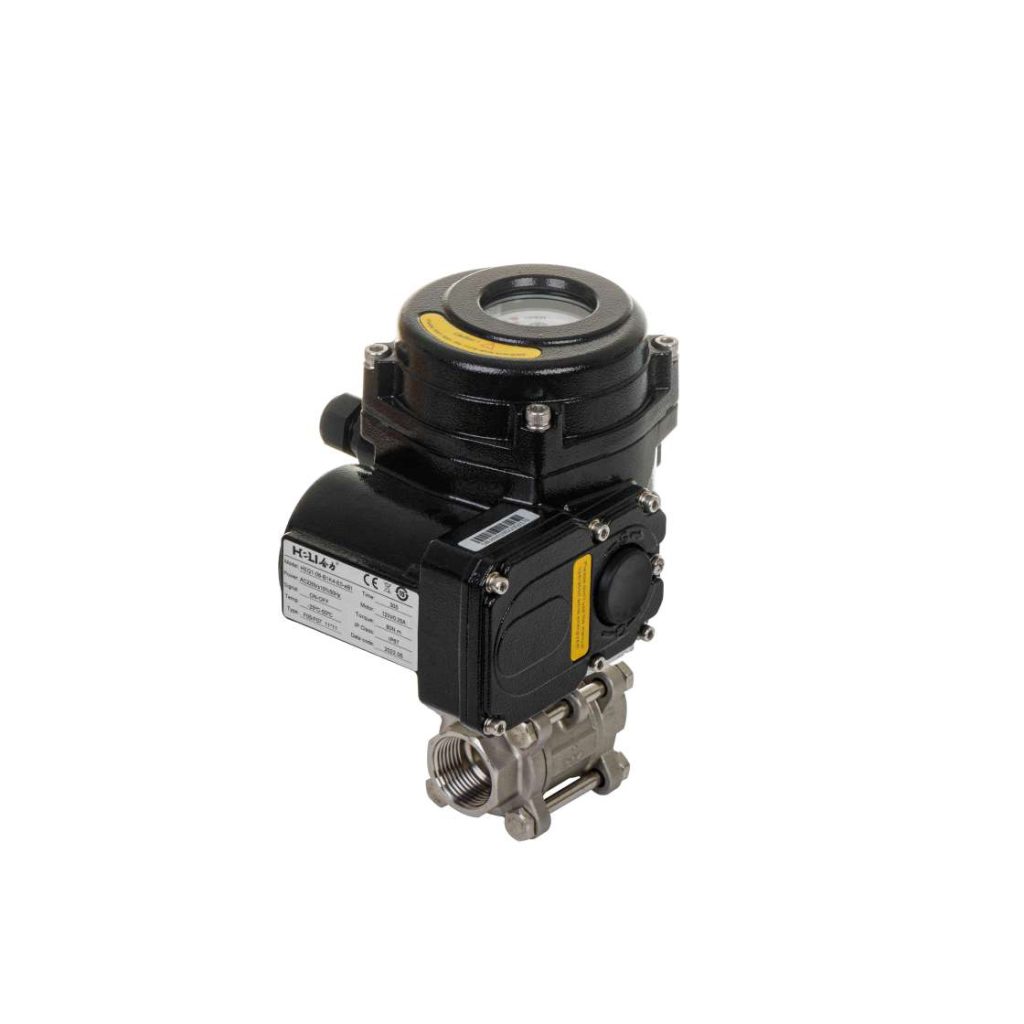
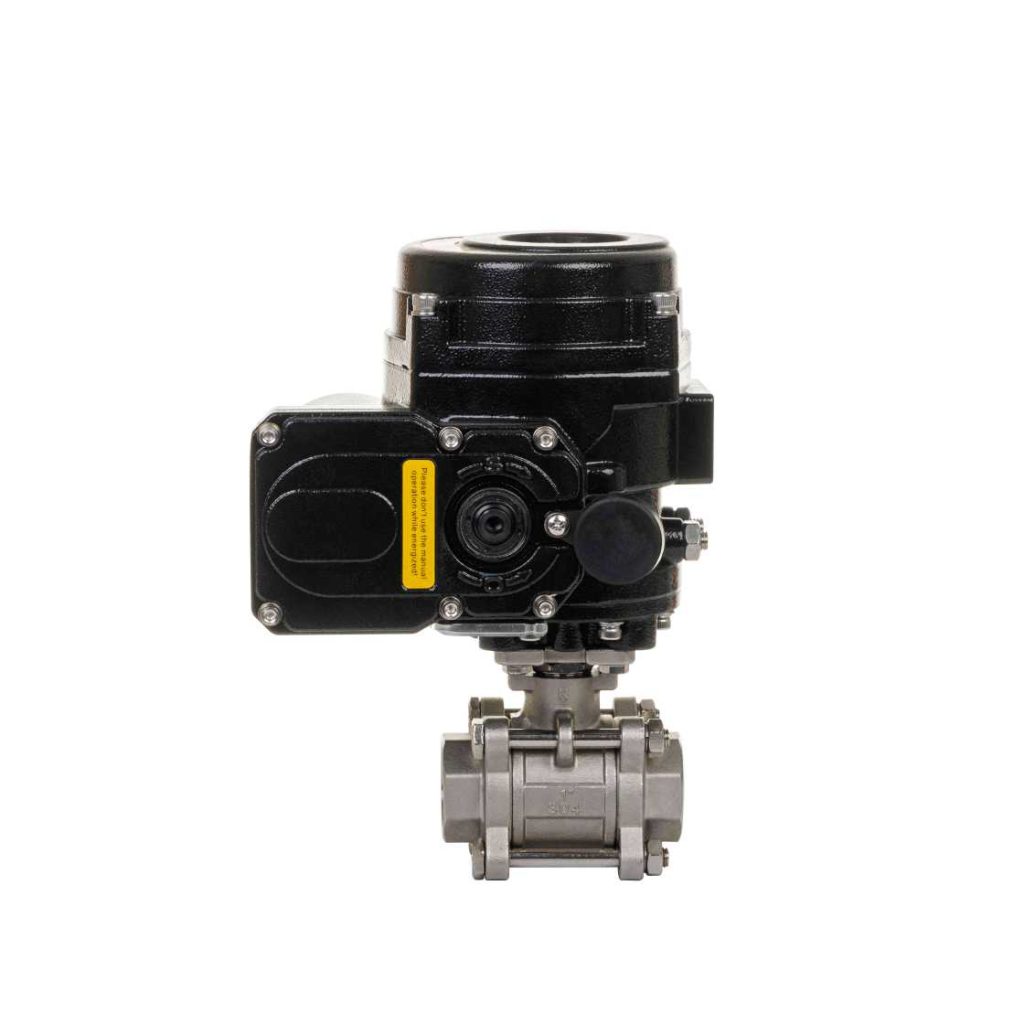
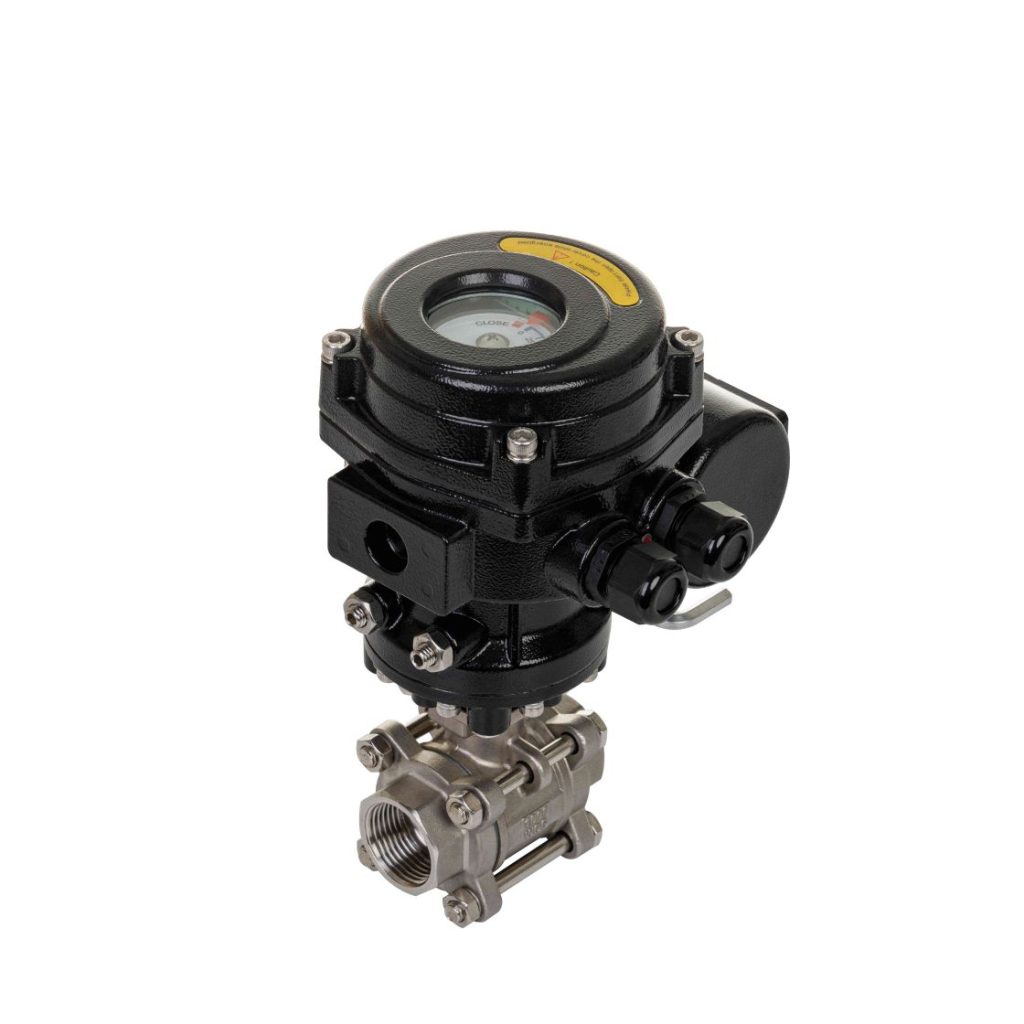
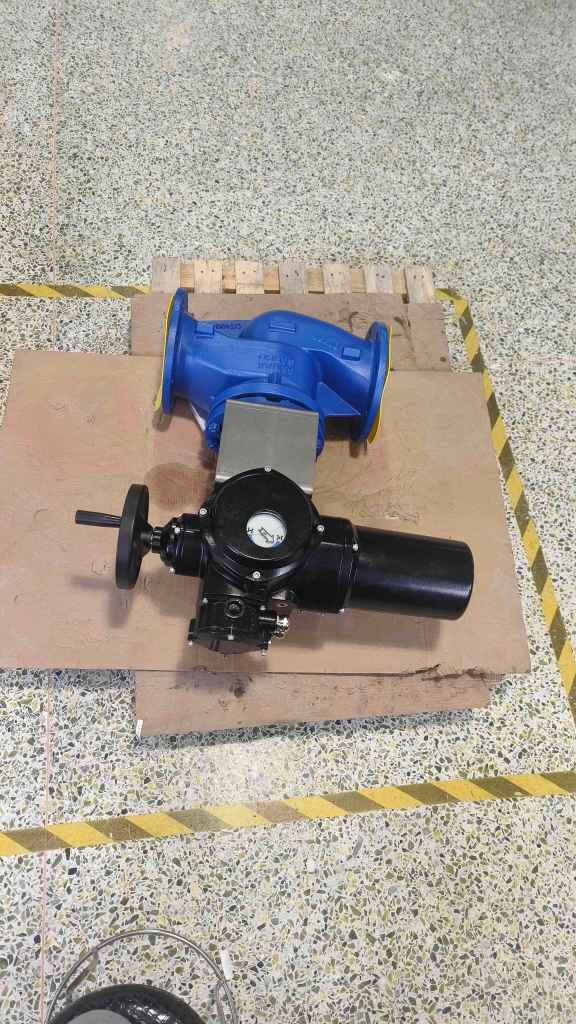
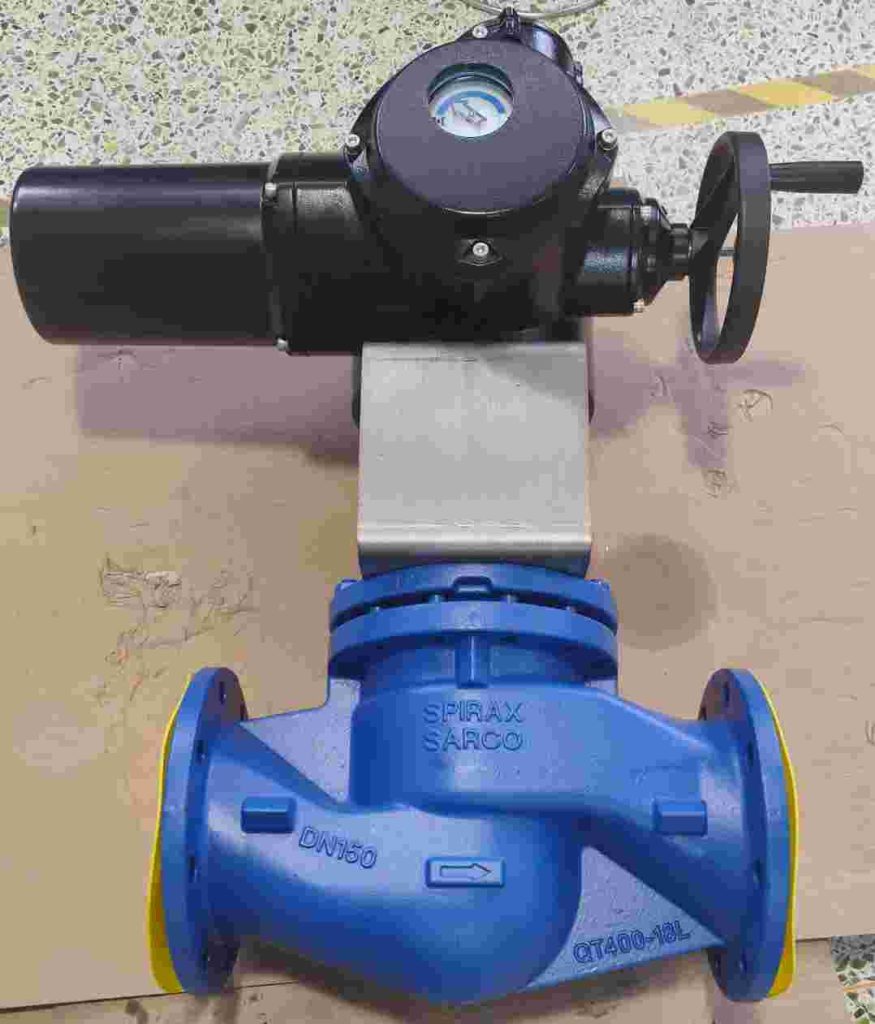
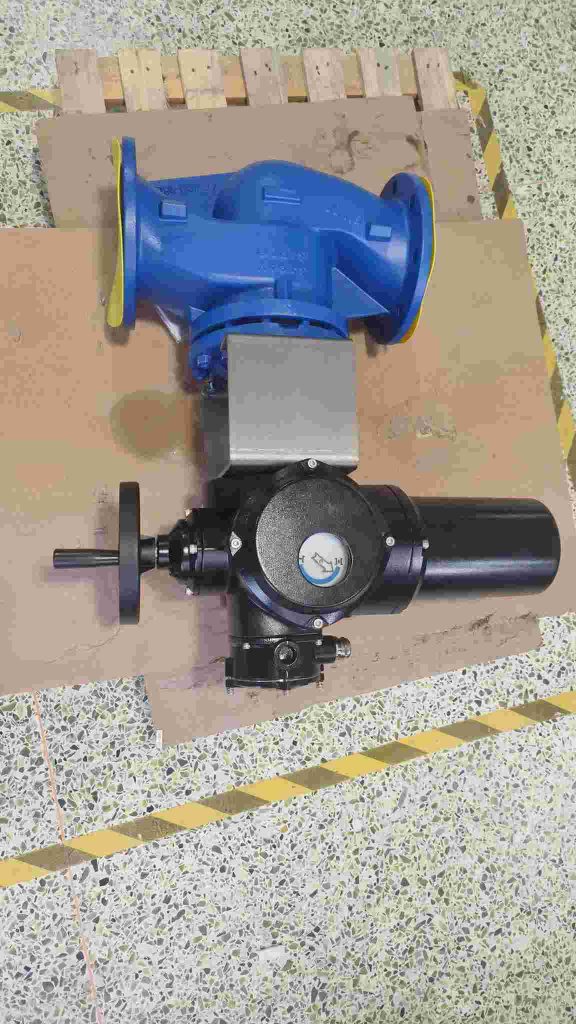
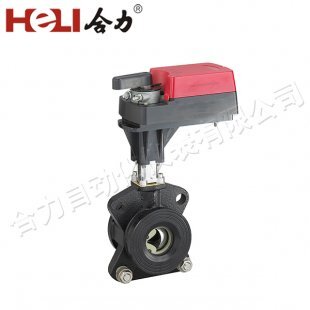
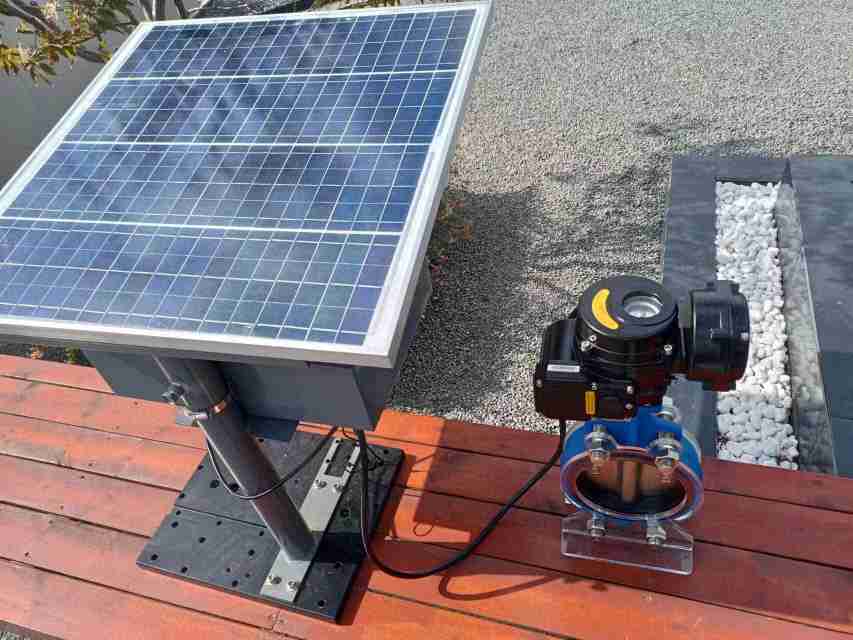
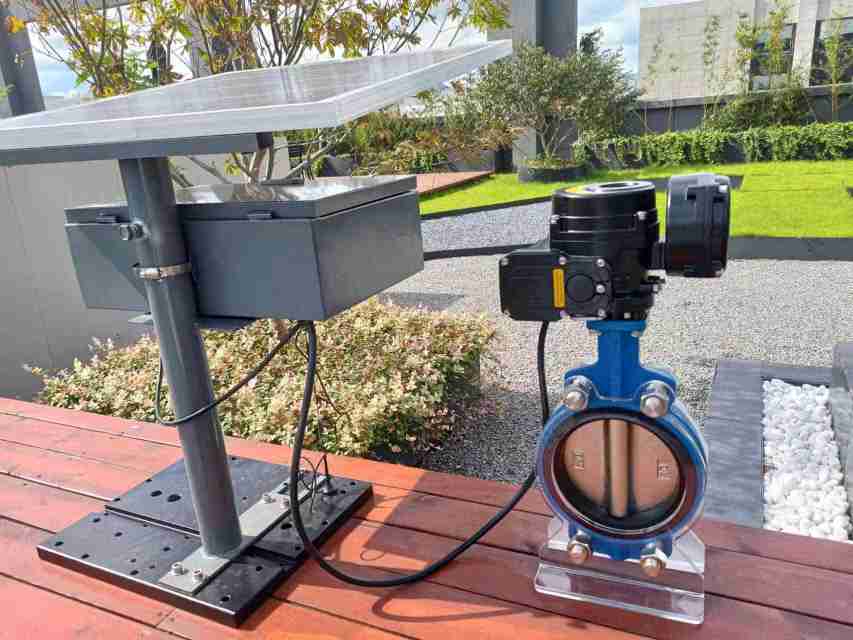
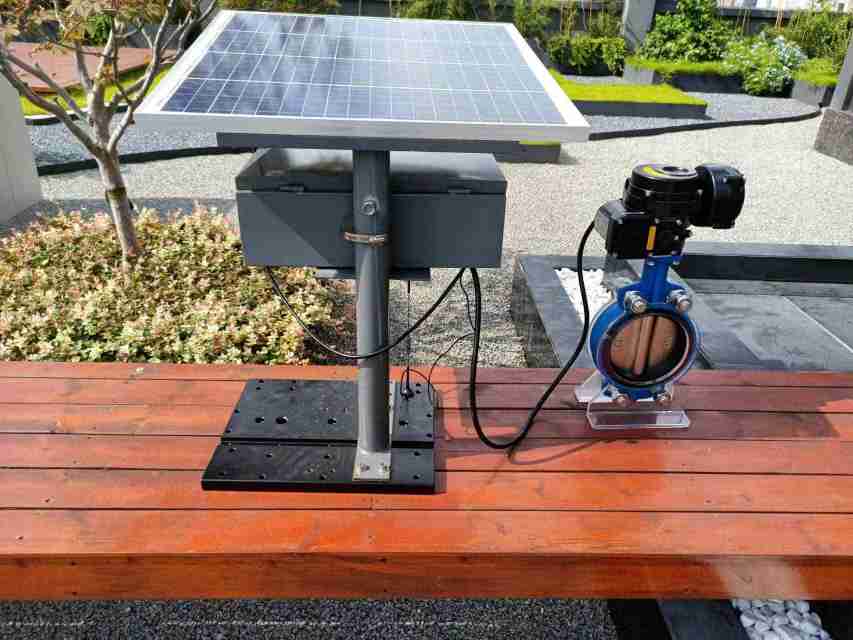
The WCB Marine Electric Butterfly Valve is a critical component in modern marine engineering, playing a significant role in the regulation and control of fluid flow in various marine systems. Its design, which combines the features of durability, efficiency, and easy operation, has made it a preferred choice for marine applications. This article explores the unique features of the WCB Marine Electric Butterfly Valve, its applications, advantages, and why it is becoming an indispensable part of marine infrastructure.
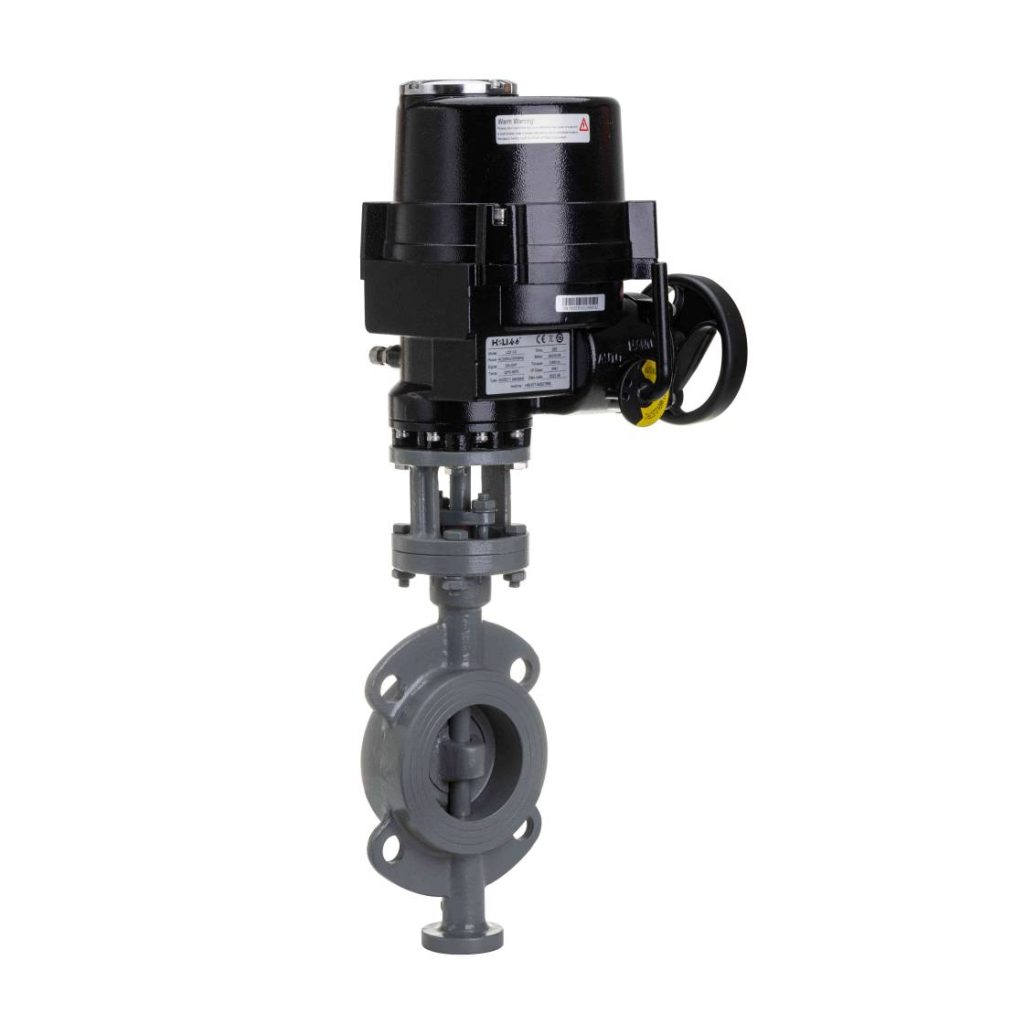
What is a WCB Marine Electric Butterfly Valve?
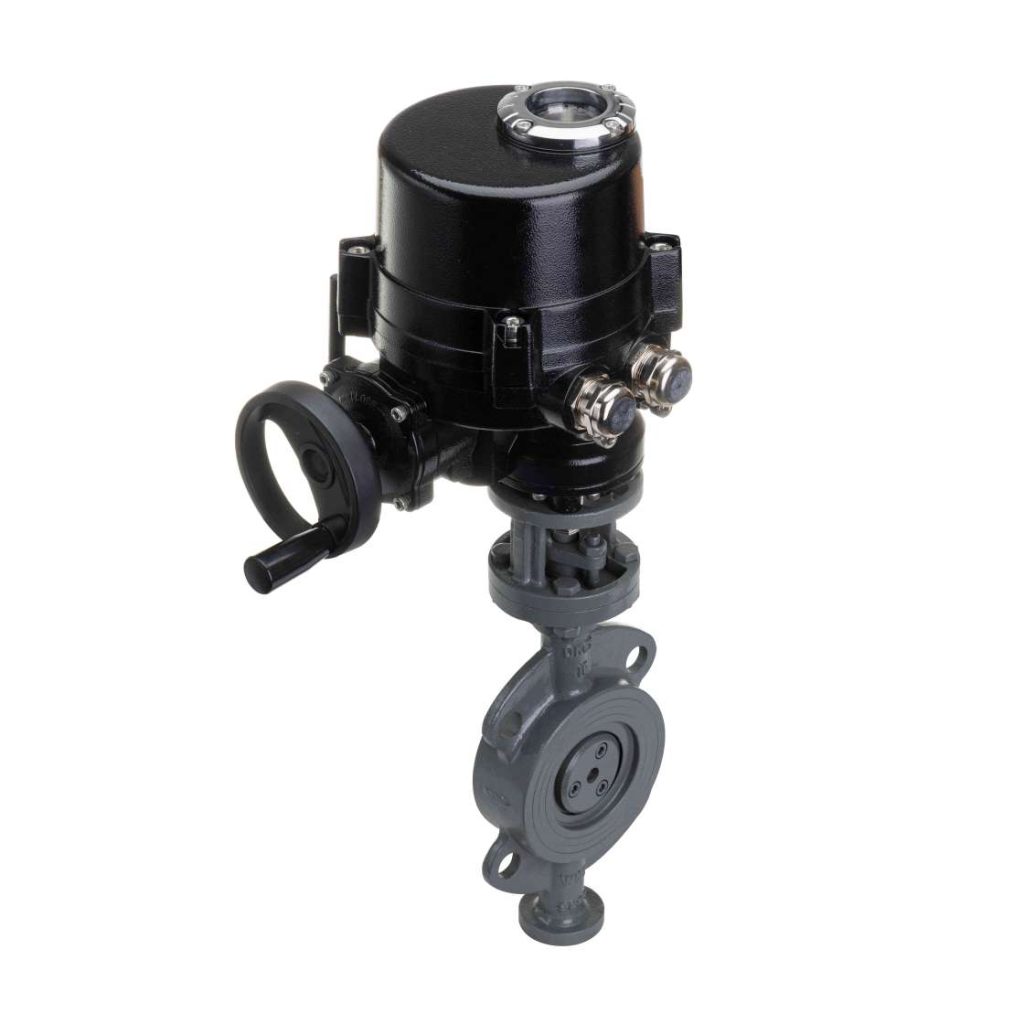
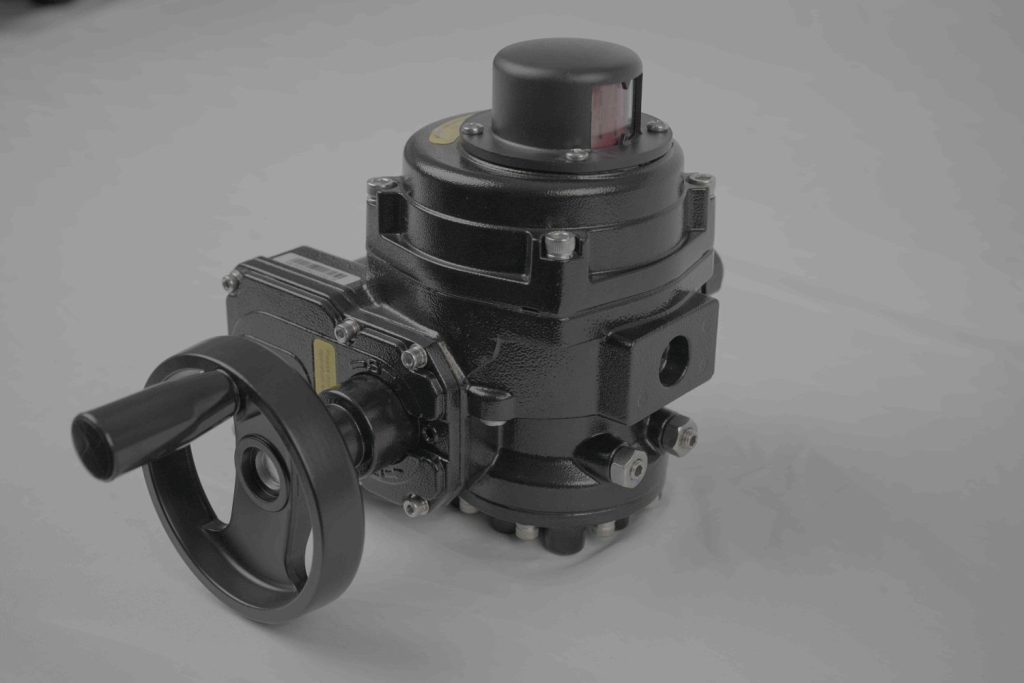
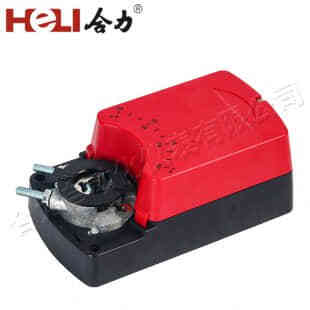
A butterfly valve is a type of quarter-turn valve used to regulate fluid flow. The WCB Marine Electric Butterfly Valve is specifically designed for use in marine environments, where the valve’s resistance to corrosion and ability to function under high-pressure conditions are of utmost importance. The “WCB” in the name refers to the material grade used for the valve body—White Cast Brass, which is known for its excellent mechanical properties and resistance to corrosion, making it ideal for use in seawater systems and other challenging marine conditions. The “electric” aspect of the valve refers to the electric actuator that controls the opening and closing of the valve. This actuator can be easily integrated into automated systems, allowing for precise control and reducing the need for manual intervention. This feature is particularly valuable in situations where the valve is placed in hard-to-reach areas or where continuous, remote control is required.