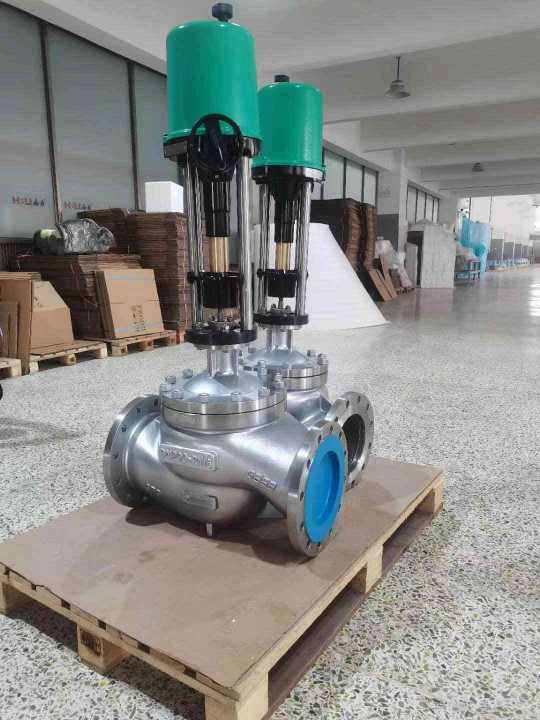
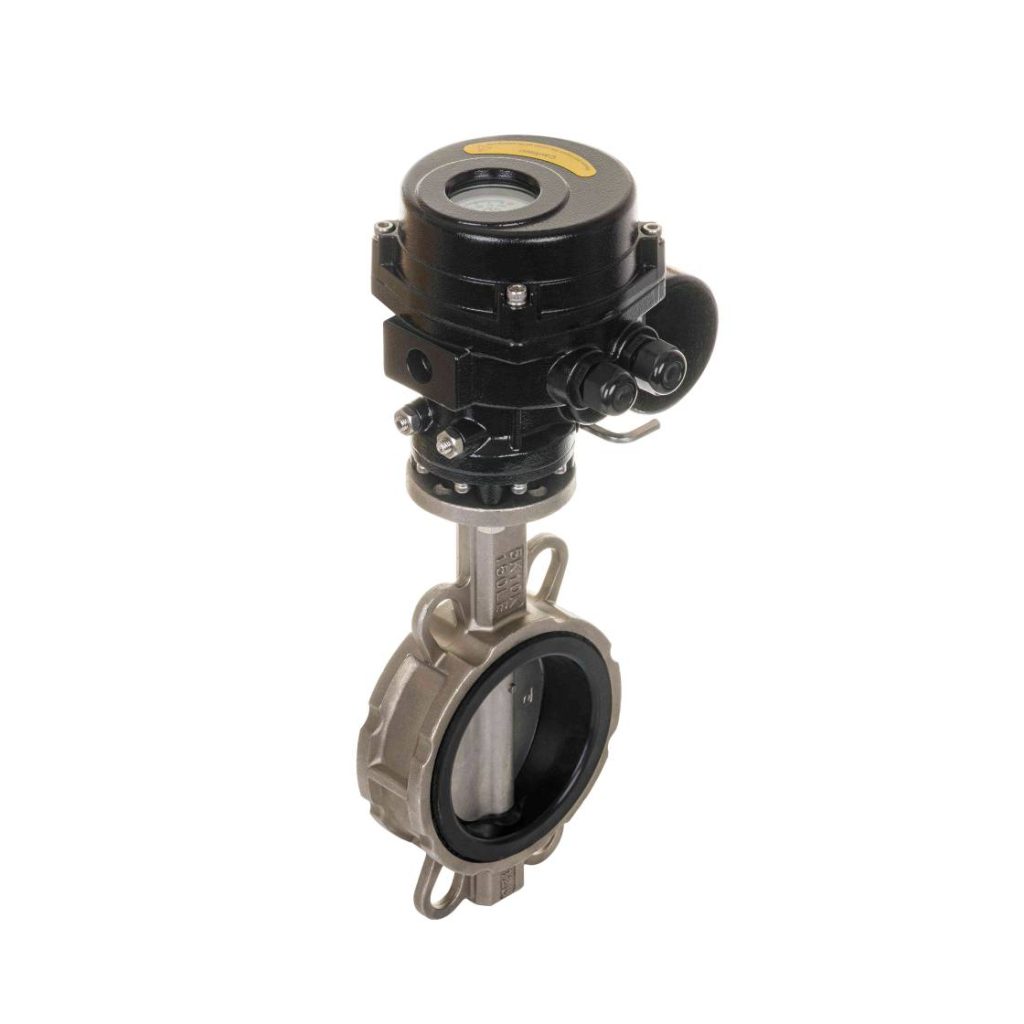
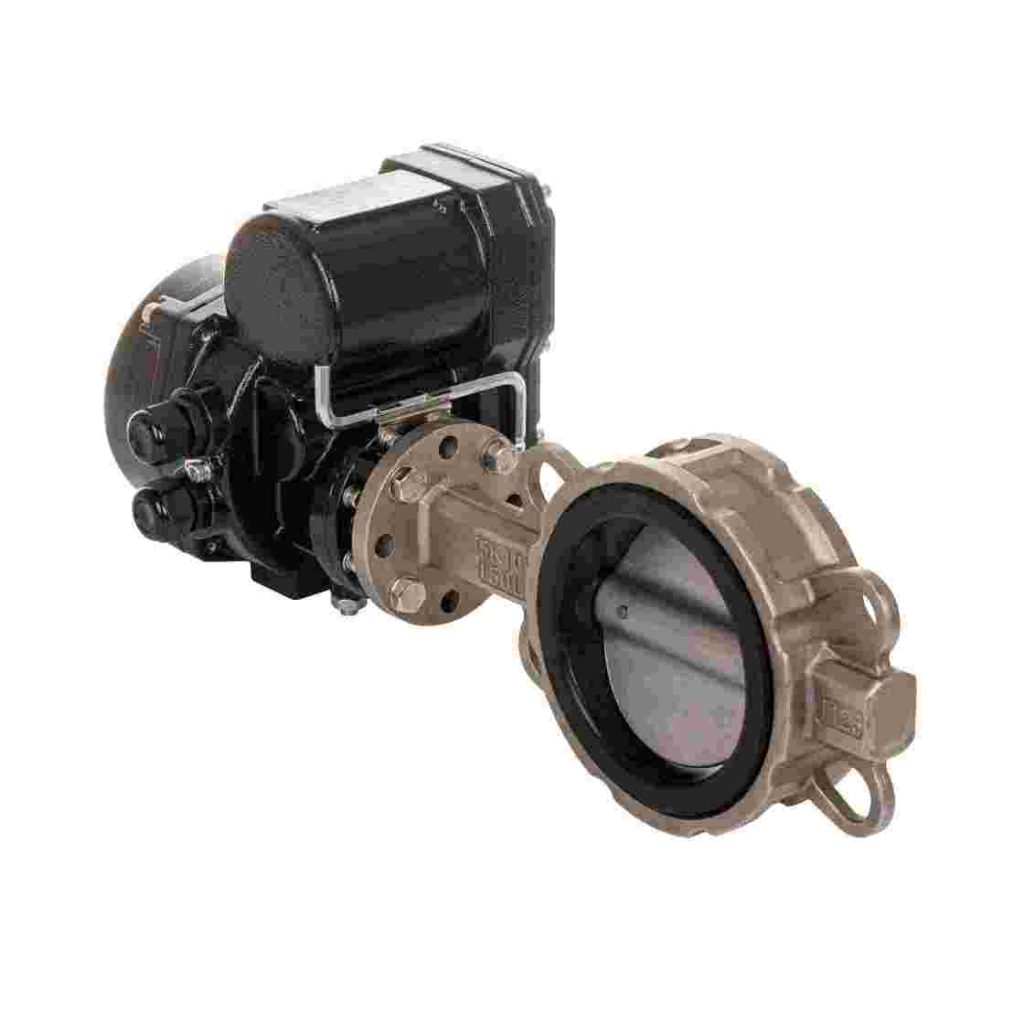
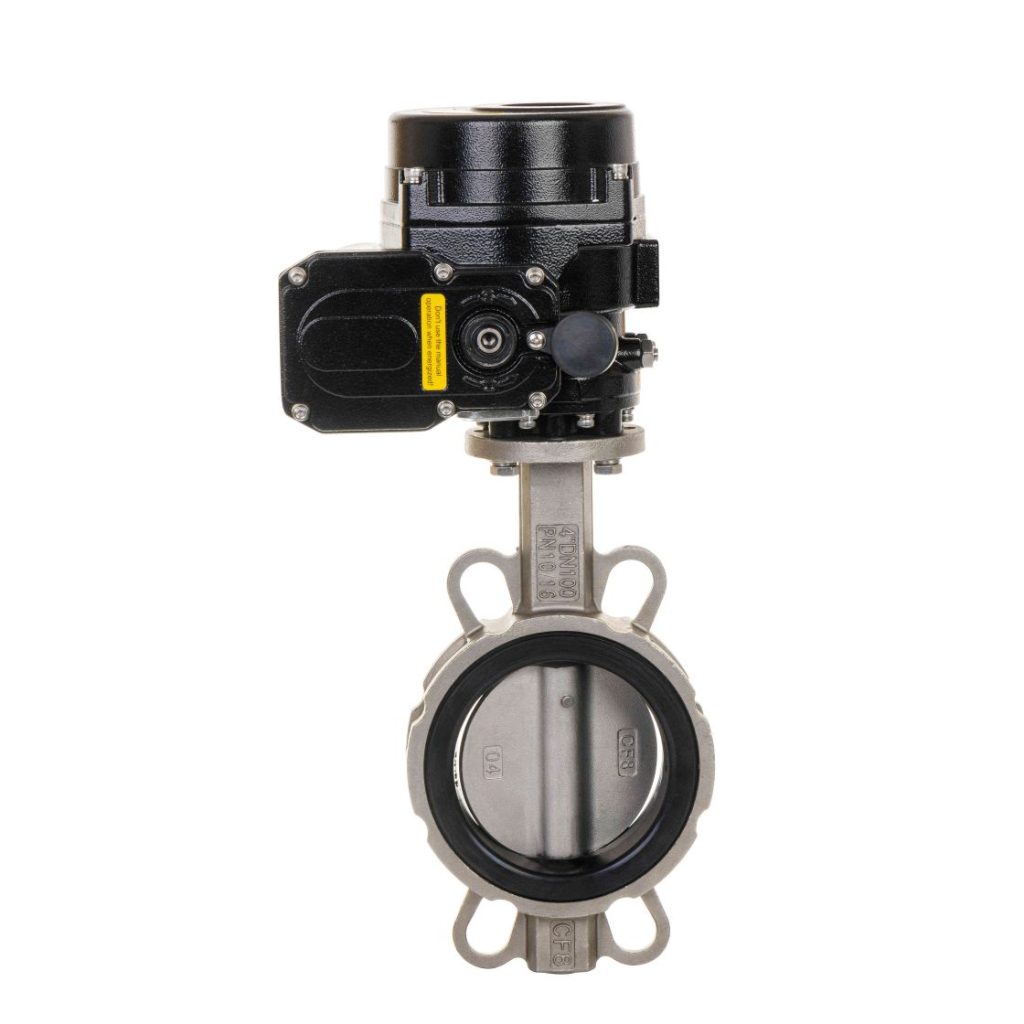
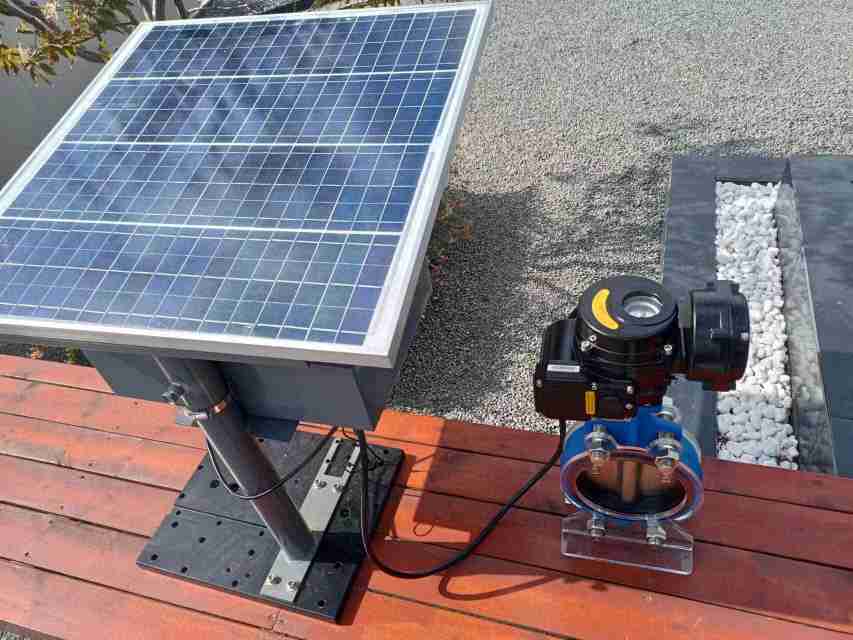
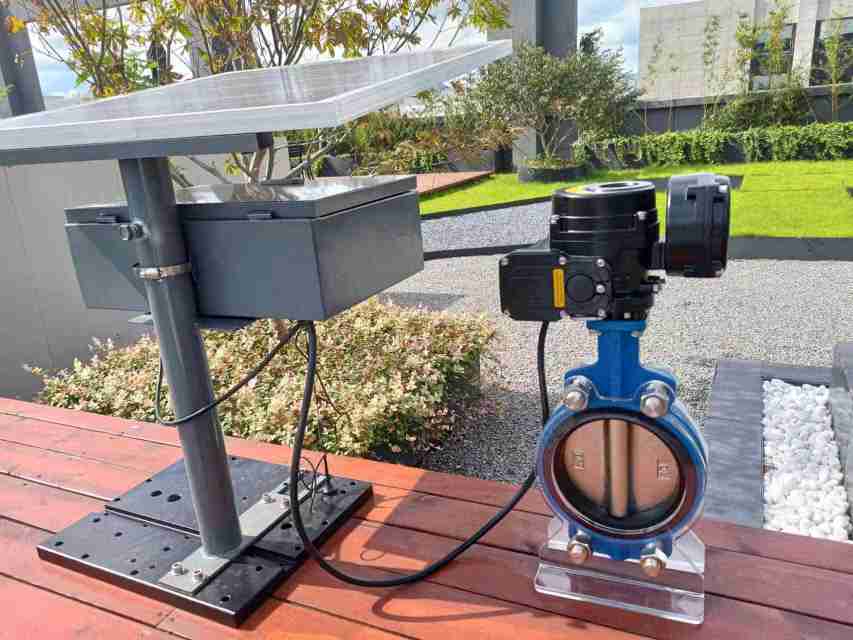
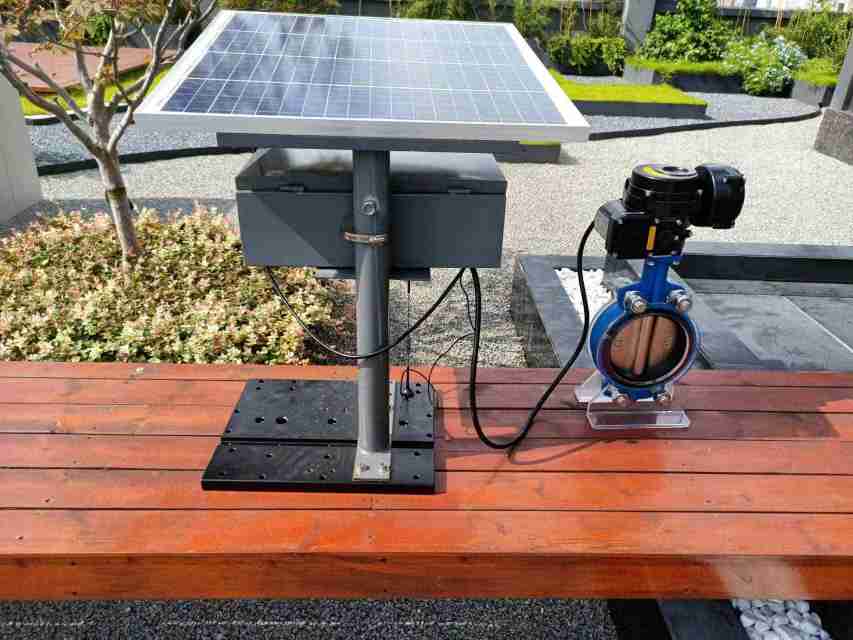
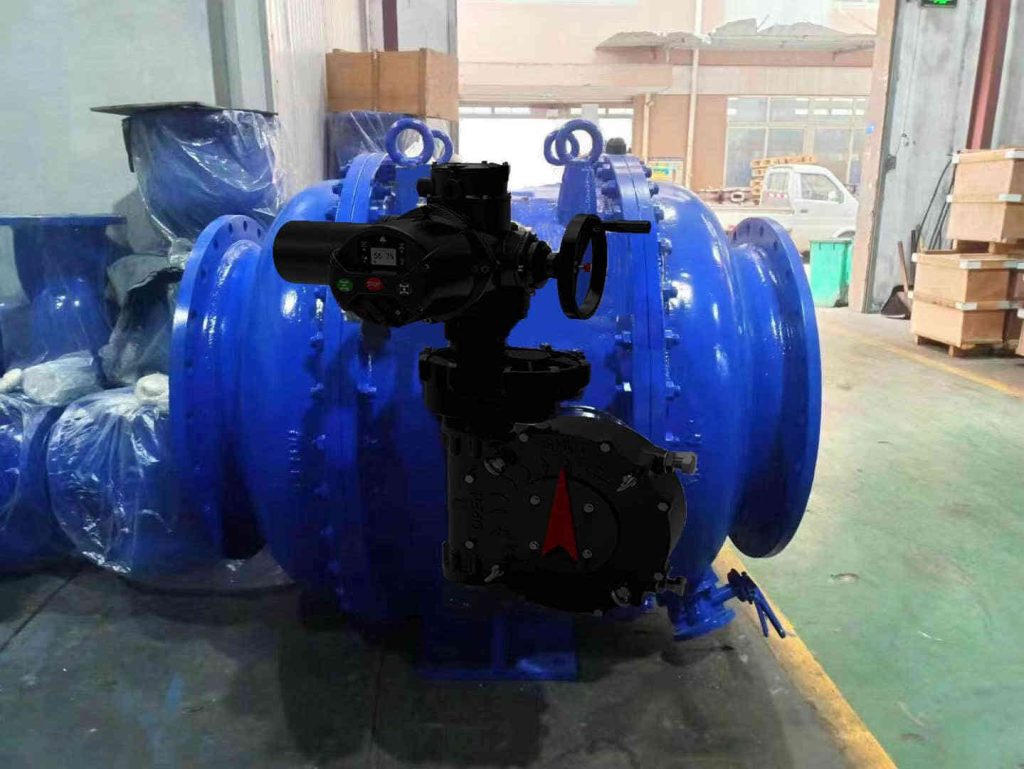
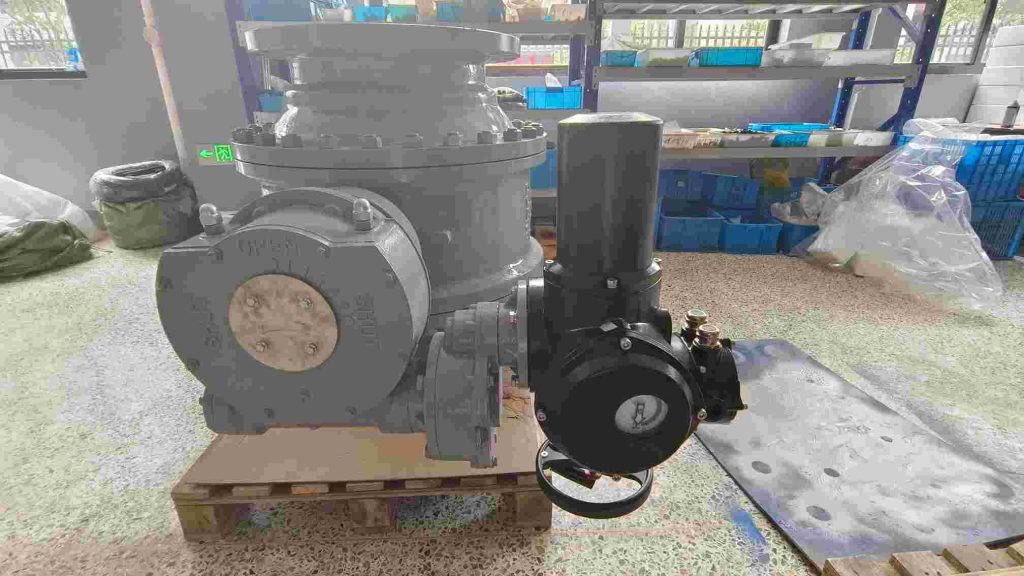
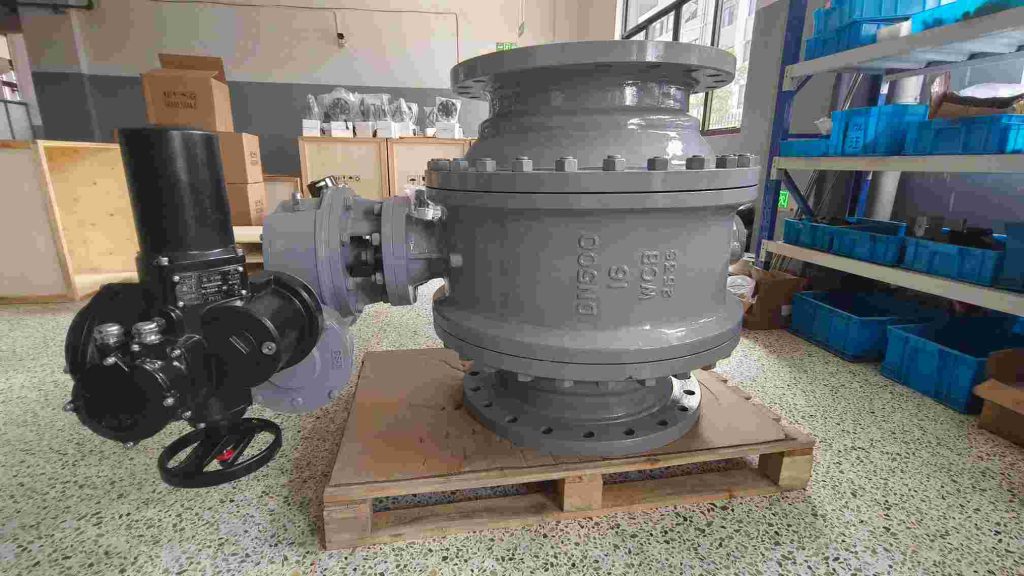
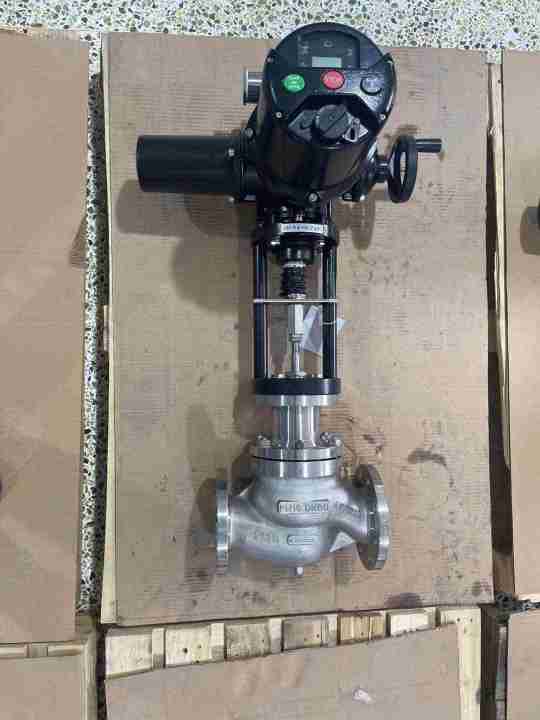
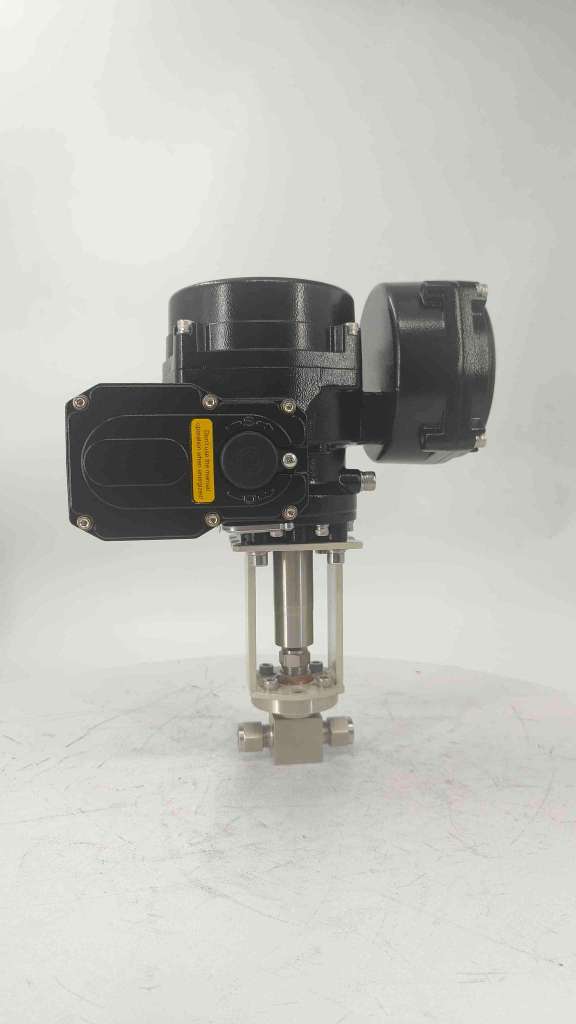
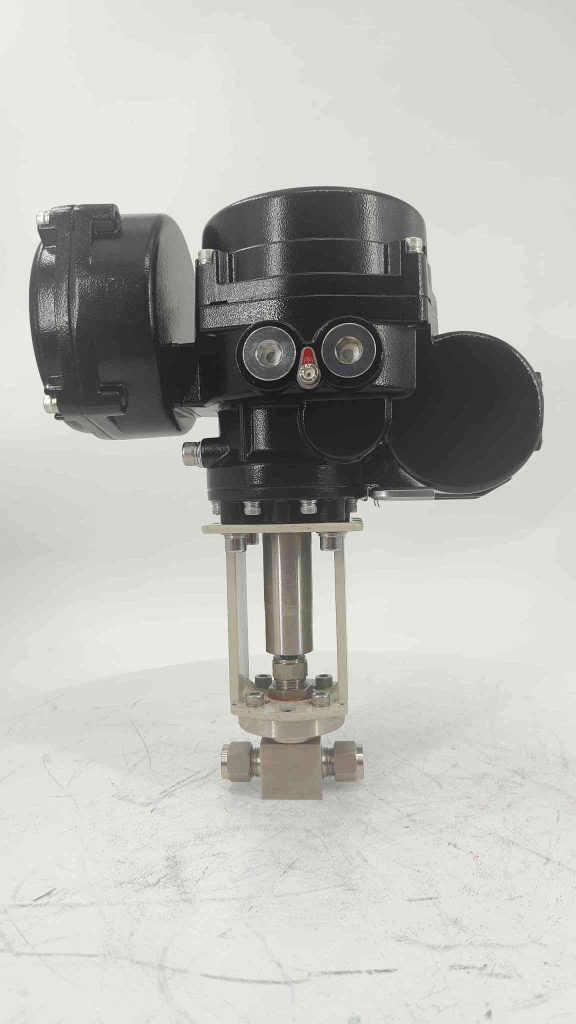
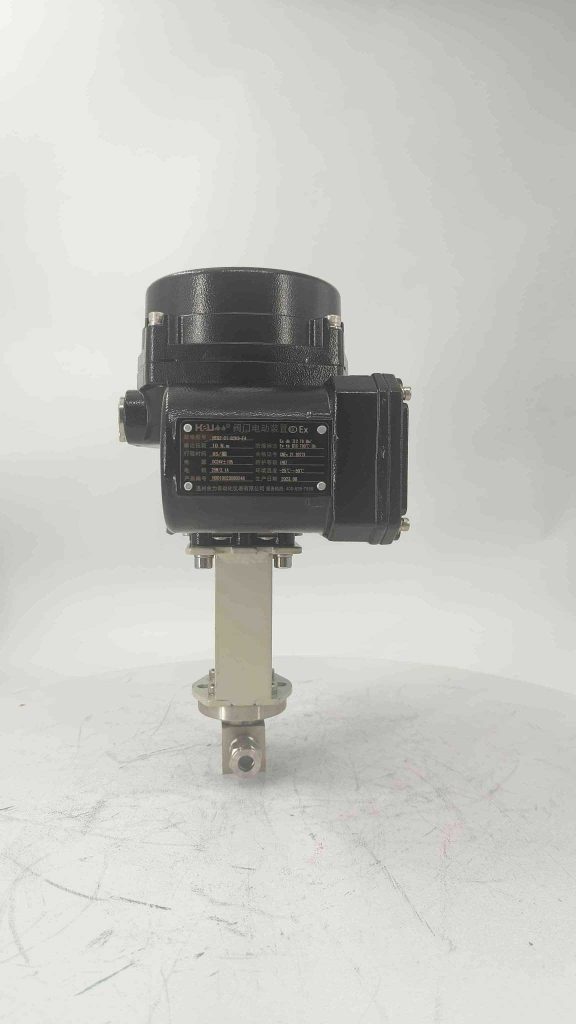
其次,在密封性能方面,WCB Electric flanged hard seal butterfly valve采用硬密封结构,具有良好的密封效果。在关闭状态下,阀门能够有效地防止介质泄漏,确保系统的安全稳定运行。
此外,该阀门还具有较高的耐高温和耐高压性能。在高温和高压的工作环境下,WCB Electric flanged hard seal butterfly valve能够保持稳定的性能,不易变形或损坏,从而确保系统的长期稳定运行。 最后,值得一提的是,WCB Electric flanged hard seal butterfly valve还具有良好的互换性和通用性。其标准的设计和尺寸使得不同厂家生产的阀门能够相互替换,方便用户在需要更换或维修阀门时进行选择。 总的来说,WCB Electric flanged hard seal butterfly valve是一种性能卓越、操作简便、密封可靠、耐高温高压的阀门类型。它在多个行业中都有广泛的应用,能够满足各种流体控制的需求。随着工业技术的不断发展,相信这种阀门在未来会有更广阔的应用前景。
Pneumatic actuators are essential devices used in a wide variety of industries, providing mechanical movement via compressed air. They play a crucial role in automating processes, particularly where precise control and quick response times are necessary. These actuators operate on the principle of converting the energy stored in compressed air into linear or rotary motion, offering several advantages in comparison to other types of actuators. This article delves into the key functions, types, and applications of pneumatic actuators, as well as the benefits they provide in industrial settings.
What is a Pneumatic Actuator?
A pneumatic actuator is a mechanical device that uses compressed air to generate motion. The actuator is connected to a system that compresses air, storing it in a reservoir or cylinder. When the compressed air is released into the actuator, it pushes against a diaphragm or piston inside the actuator, causing it to move. This movement can be linear (back-and-forth) or rotary (circular), depending on the type of actuator and its configuration. The basic components of a pneumatic actuator include a cylinder, piston, diaphragm, valve, and an air supply system. The valve controls the flow of compressed air into and out of the actuator, regulating the speed and direction of the piston’s motion. This simple yet effective mechanism makes pneumatic actuators a popular choice for a wide range of applications.
In today’s industrial landscape, the demand for efficient, durable, and highly reliable valve systems has never been higher. A key player in this space is the China Electric High Temperature Ball Valve Manufacturer, which is contributing significantly to sectors such as oil and gas, chemical processing, power generation, and more. These valves are essential components in controlling the flow of fluids in high-temperature environments, and the manufacturers in China have been at the forefront of developing innovative solutions to meet these demanding requirements.
What Are Electric High Temperature Ball Valves?
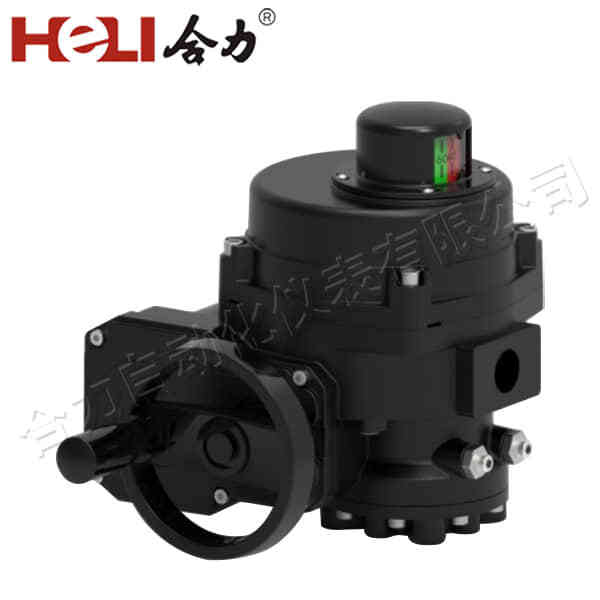
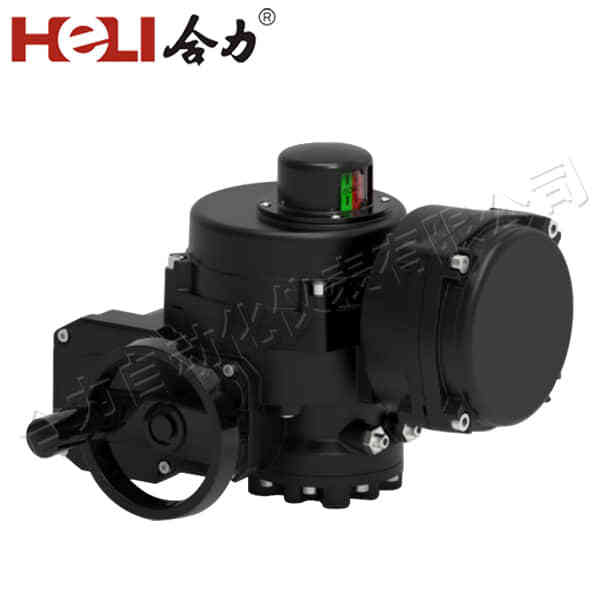
Electric high temperature ball valves are designed to regulate the flow of fluids or gases in systems operating at elevated temperatures. These valves are typically constructed from robust materials that can withstand heat, corrosion, and mechanical stress. The core feature of these valves is the spherical ball mechanism, which rotates within the valve to either allow or restrict the flow of fluids. The electric actuator allows for remote and automated operation, making these valves ideal for industrial applications where human intervention is limited, or safety concerns are paramount. The ability to control the valve electronically provides precise regulation, making these valves highly efficient for processes that require accurate control of temperature and pressure.
The world is transitioning toward cleaner and more sustainable energy sources, and hydrogen is emerging as a key player in this energy revolution. Hydrogen energy, often touted as the fuel of the future, offers significant potential for reducing carbon emissions and powering industries, transportation, and residential applications. However, the safe handling and management of hydrogen is paramount due to its highly flammable and volatile nature. In this context, the Hydrogen Energy Electric Shut-Off Valve plays a crucial role in ensuring the safety, efficiency, and reliability of hydrogen systems.
What is a Hydrogen Energy Electric Shut-Off Valve?
A Hydrogen Energy Electric Shut-Off Valve is a critical component in hydrogen systems, responsible for controlling the flow of hydrogen gas. This electric valve is designed to automatically shut off or control the hydrogen flow in the event of an emergency or system malfunction, offering an essential safety measure. It is used across a variety of applications, including hydrogen storage tanks, fuel cell systems, and hydrogen fueling stations. Unlike traditional mechanical valves, which are operated manually or by pneumatic pressure, the electric shut-off valve is electronically controlled. This allows for automated, precise, and remote operation, making it an ideal choice for modern hydrogen systems that require high levels of monitoring and control.
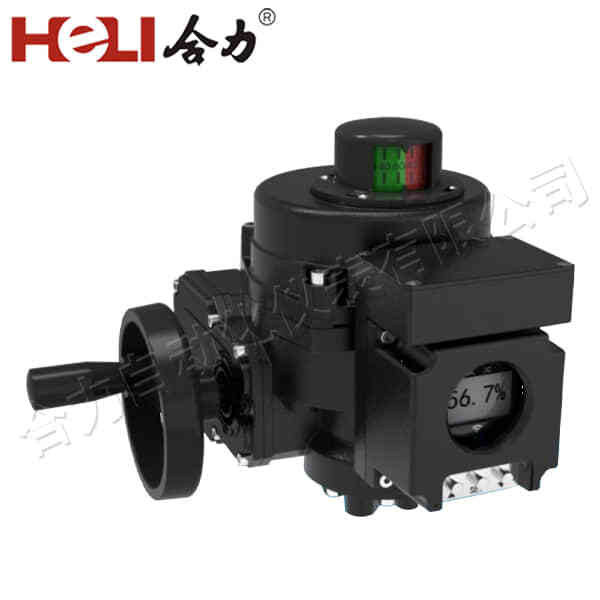
In the ever-evolving world of industrial automation and smart technologies, intelligent control wireless electric actuators have emerged as a crucial component in enhancing the efficiency and flexibility of various systems. These devices are not just about automation; they represent a leap toward smarter, more integrated, and remotely manageable systems. As demand for high-performance, customizable, and wireless solutions grows, the role of Intelligent Control Wireless Electric Actuator OEM Manufacturers has become more significant in providing tailored and innovative solutions for different industries.
Understanding Intelligent Control Wireless Electric Actuators
An intelligent control wireless electric actuator is a device designed to convert electrical energy into precise mechanical movement, often in response to a signal from a control system. Unlike traditional actuators, these devices integrate advanced features, including wireless communication, real-time monitoring, and sophisticated control algorithms that enable remote operation and management. This makes them highly suitable for industries such as robotics, automotive, aerospace, agriculture, and smart home systems. Wireless connectivity is one of the key features that sets these actuators apart from their wired counterparts. With the growing importance of IoT (Internet of Things) and Industry 4.0, the need for wireless systems that can be easily controlled and monitored remotely has increased. This feature eliminates the need for complex wiring, reduces installation costs, and provides greater flexibility in system design and layout. Furthermore, intelligent control allows for fine-tuned operation, offering improved precision, adaptability, and scalability.
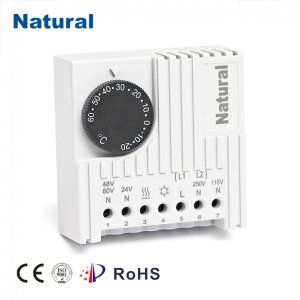
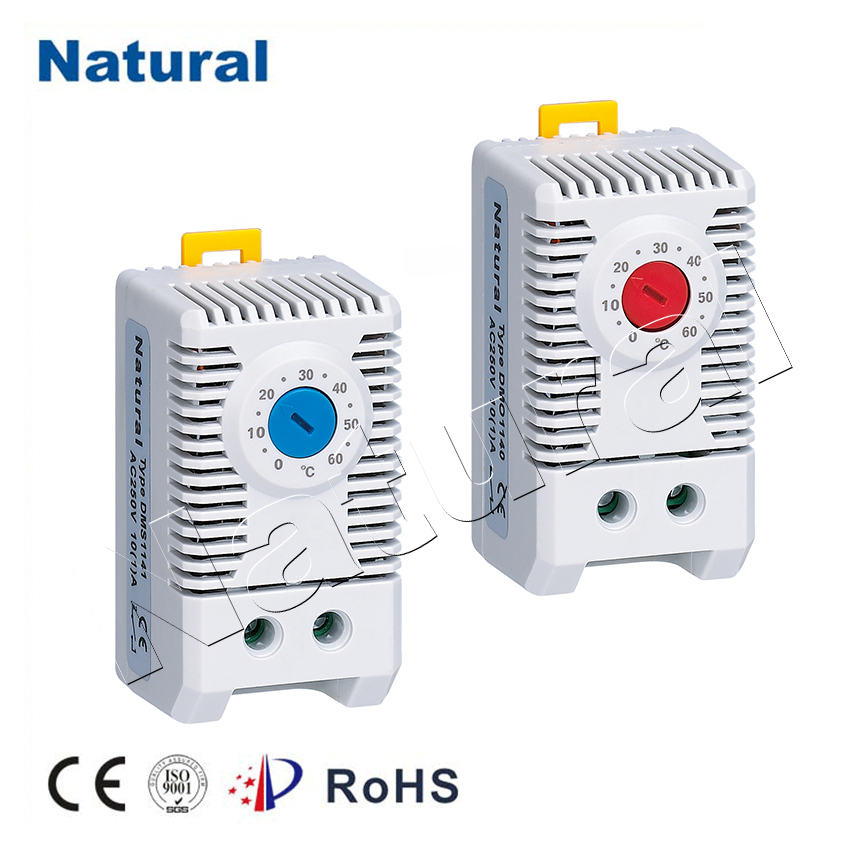
A contact thermostat is a fundamental component in regulating temperature in various systems, including home heating, industrial processes, and electronic equipment. These devices function by opening or closing an electrical contact in response to changes in temperature, allowing for the regulation of heating or cooling systems. Among the various brands and manufacturers of contact thermostats, NTEK stands out as a leader in providing reliable and high-performance solutions for a wide range of applications.
What is a Contact Thermostat?
At its core, a contact thermostat is a temperature-sensing device that operates by detecting temperature changes and activating or deactivating electrical contacts. These thermostats can either be mechanical or digital, with mechanical models using bimetallic strips that bend with temperature changes to open or close a contact. Digital thermostats, on the other hand, typically employ semiconductor-based sensors and electronic circuits to perform the same function. When a system reaches a pre-set temperature threshold, the thermostat’s contact is triggered to either complete or break an electrical circuit, starting or stopping the flow of power. This feature is essential for maintaining consistent temperatures in heating or cooling systems. In homes, for example, contact thermostats are a key component in controlling the operation of HVAC systems, ensuring comfort while preventing energy wastage.
In today’s industrial landscape, the demand for efficient, reliable, and cost-effective solutions has led to a surge in the development and adoption of electric valves. These critical components are used in a wide range of industries, from water treatment plants to HVAC systems, oil and gas pipelines, and beyond. As the complexity of modern systems increases, the need for specialized manufacturing services also grows, particularly those offering Original Design Manufacturing (ODM) capabilities. Among the leading players in this field is Helix Automation, a renowned electric valve ODM manufacturer that continues to set new standards in the industry.
Understanding Electric Valves and Their Importance
Electric valves are motorized control devices that use an electric actuator to regulate the flow of fluids in a system. These valves play a crucial role in ensuring precise control and automation in systems where manual operation is inefficient or impossible. Electric valves offer several advantages over traditional manual or pneumatic valves, including faster response times, the ability to handle higher pressures, and better integration with automated control systems. Electric valves are used in a variety of applications, such as: Water and wastewater management – Ensuring the consistent flow of water and treatment chemicals.
In today’s modern industries, efficient fluid control is vital for maintaining safety, quality, and operational efficiency. One essential component in fluid control systems is the electric clamp butterfly valve, a reliable solution that blends high performance with ease of installation and maintenance. Manufacturers of electric clamp butterfly valves play a crucial role in delivering products that enhance the operational effectiveness of industries like pharmaceuticals, food processing, water treatment, and chemicals. In this article, we explore the significance of electric clamp butterfly valves and how manufacturers contribute to their success.
What Is an Electric Clamp Butterfly Valve?
An electric clamp butterfly valve is a type of flow control device widely used in various industries. It consists of a circular disc (the butterfly) attached to a rotating shaft that controls the flow of liquids or gases. What sets this valve apart is its integration with an electric actuator, which enables automatic or remote control of the valve’s operation. The “clamp” feature refers to its easy-to-install connection method, which uses a clamp to secure the valve to the pipe, eliminating the need for welding or threading. The Importance of Electric Actuators The electric actuator is the heart of the electric clamp butterfly valve. Unlike manual valves that require physical effort to turn a handle, electric actuators use electric motors to open and close the valve automatically. This provides several advantages:
标题: Understanding the Function and Applications of Cartridge Heater
Cartridge heaters are compact, cylindrical heating elements that are widely used in various industrial and commercial applications. Known for their high power density and efficient heat transfer capabilities, these heaters have become an essential component in processes that require precise and localized heating. The term “cartridge heater” refers to their shape, which resembles a small cartridge or rod, allowing them to be easily inserted into drilled holes or metal blocks for direct heating. The primary structure of a cartridge heater includes a resistive wire, often made of nickel-chromium alloy, which acts as the heating element. This wire is tightly wound around a ceramic core that provides electrical insulation while allowing efficient heat transfer. The assembly is then encased in a metal sheath, typically stainless steel, to protect the internal components from mechanical damage and environmental factors such as moisture and corrosion. At one end, leads or connectors allow for electrical connection, while the heater’s length and diameter can be customized to meet specific application requirements.