Category Archives: Electronic and electrical

understanding the lithium battery marine electric butterfly valve: a step towards sustainable maritime operations

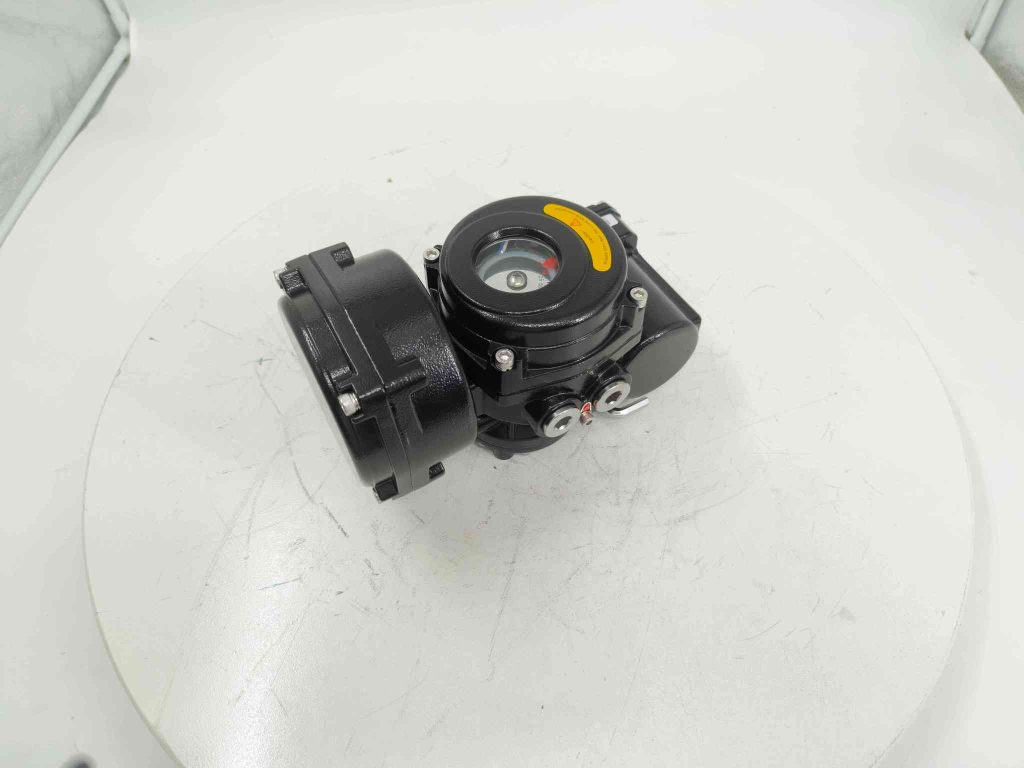
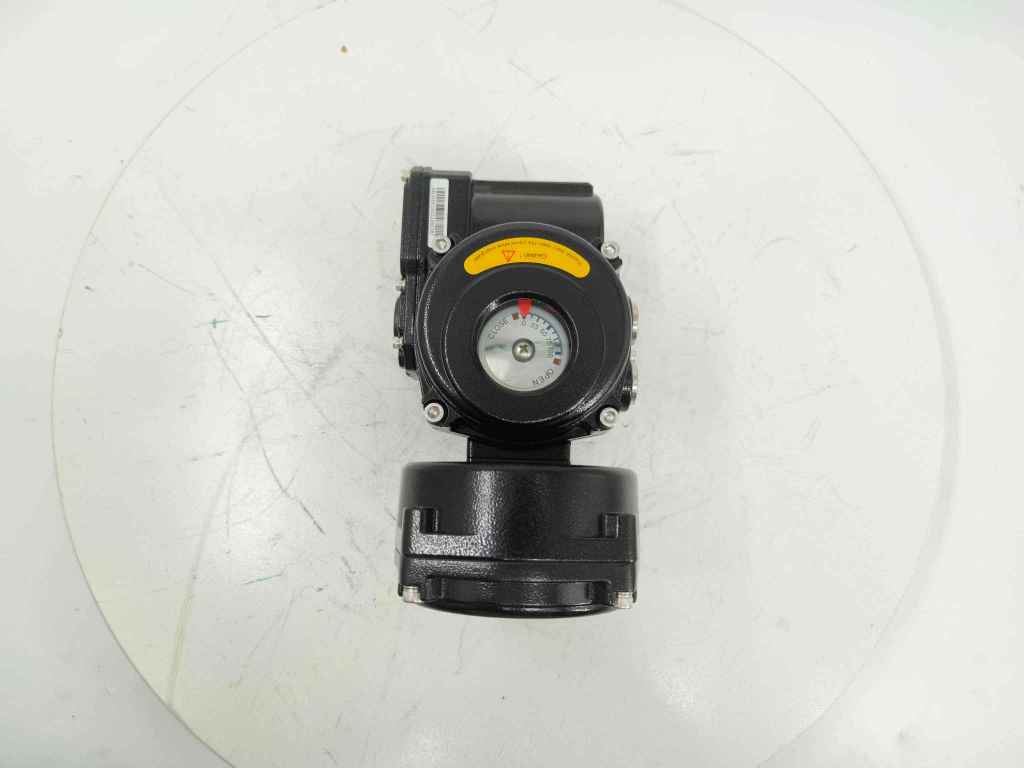
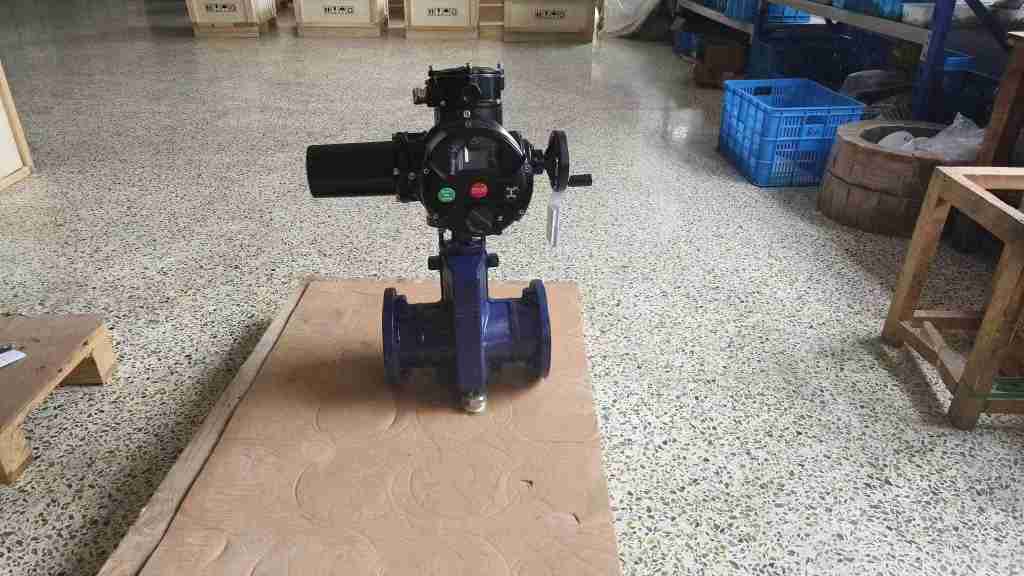
In recent years, the maritime industry has witnessed significant advancements in sustainable technologies, with a clear shift towards cleaner, more energy-efficient solutions. One such innovation that is gaining traction is the Lithium Battery Marine Electric Butterfly Valve. This cutting-edge system integrates electric actuator technology with lithium battery power to enhance the performance, efficiency, and environmental sustainability of ship systems. This article will explore the components, working principle, applications, and benefits of this modern solution.
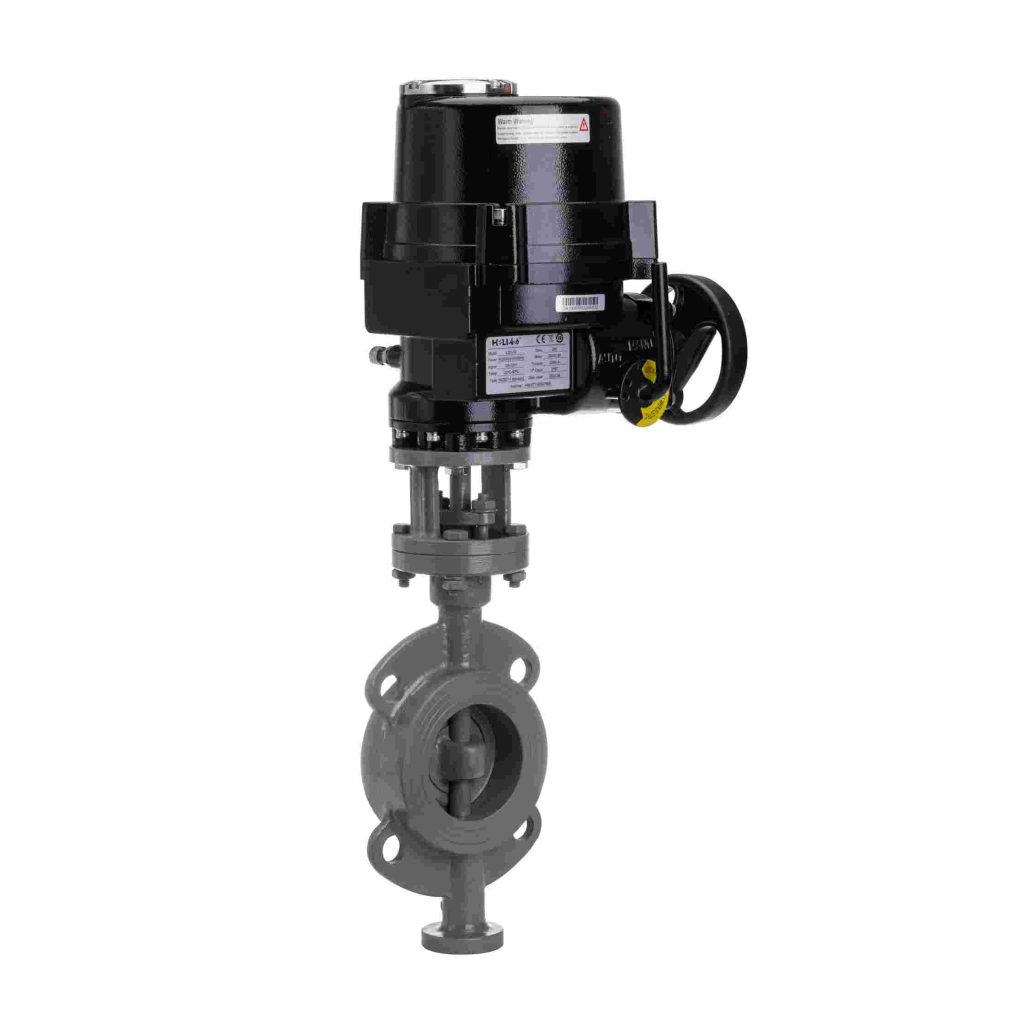
What is a Lithium Battery Marine Electric Butterfly Valve?
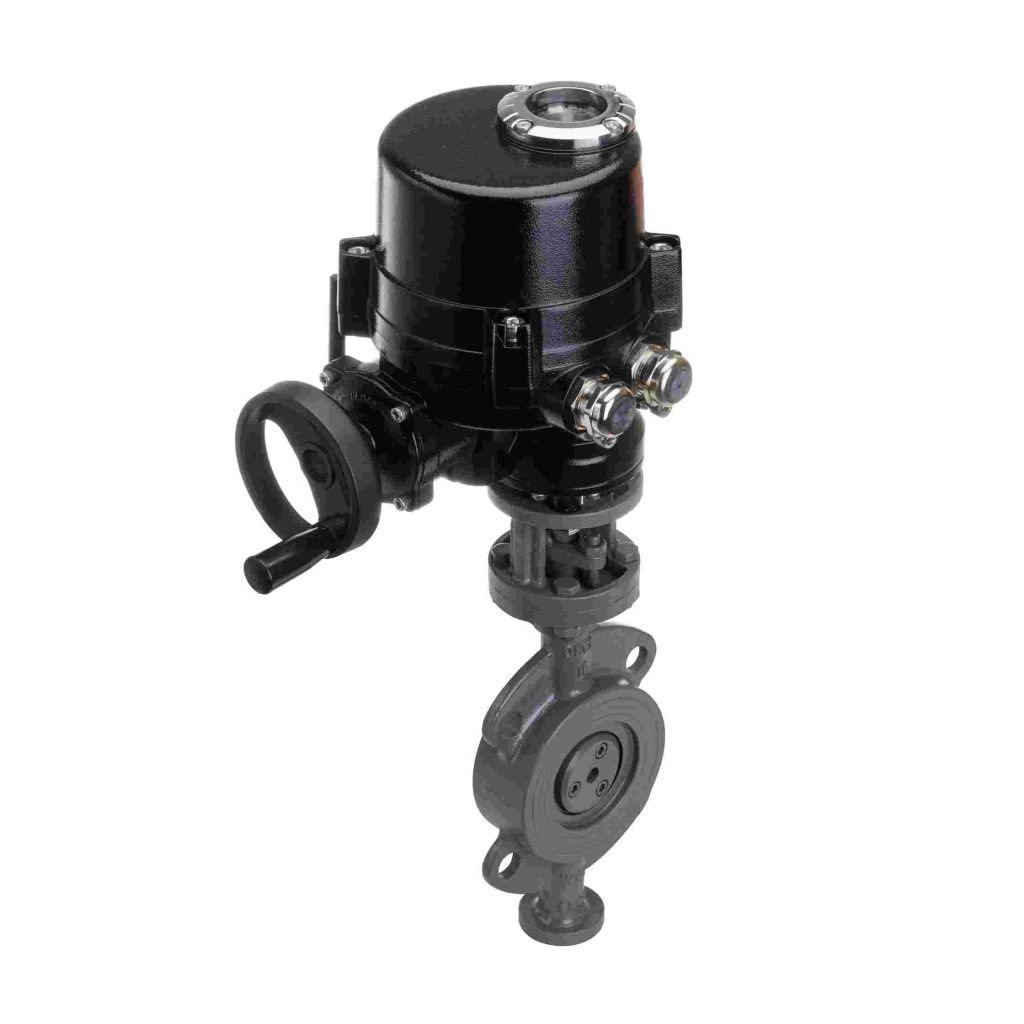
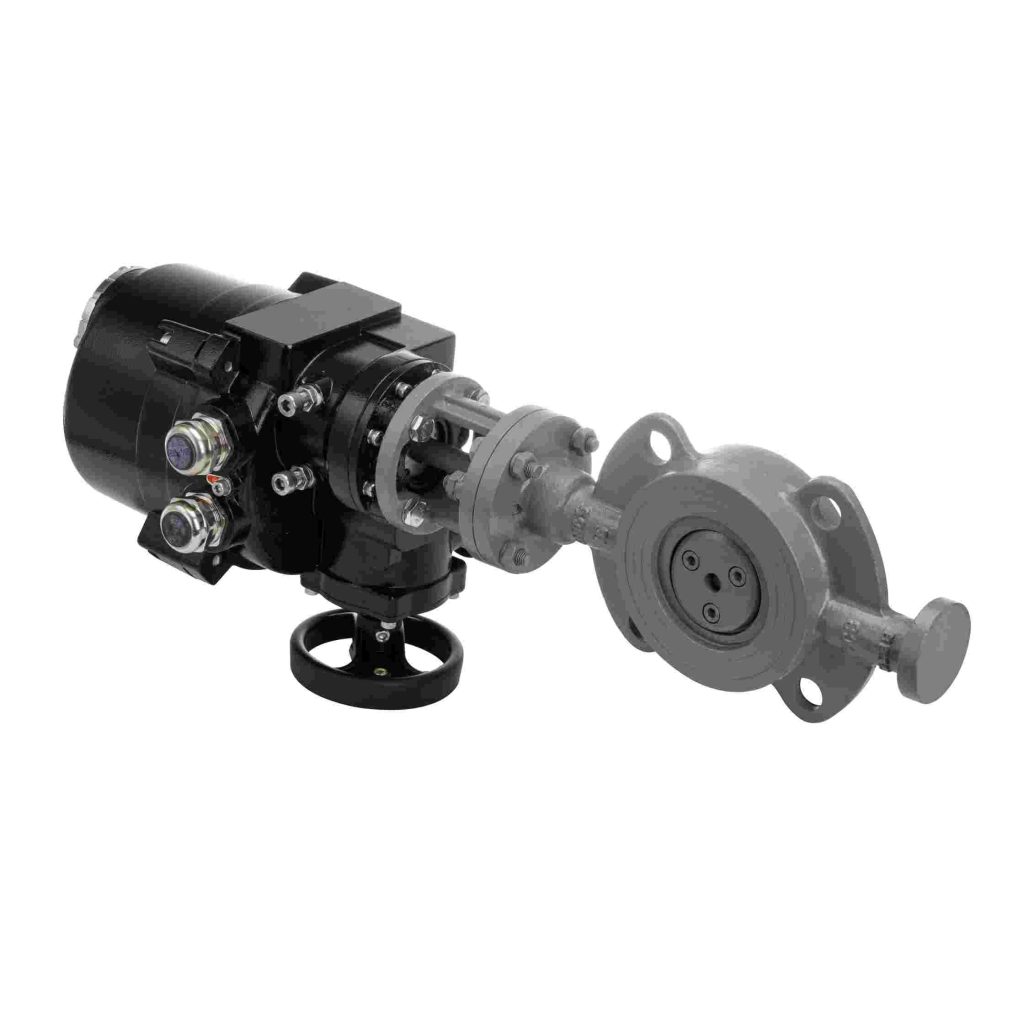
A Lithium Battery Marine Electric Butterfly Valve is a specialized valve designed to control the flow of liquids or gases on a ship. What sets this valve apart from traditional butterfly valves is its integration with a lithium battery-powered electric actuator, which drives the valve’s opening and closing actions. This system replaces the need for hydraulic or pneumatic power sources, offering a more energy-efficient and eco-friendly alternative. The electric actuator, powered by a lithium battery, provides precise control over the valve’s operation. The lithium battery offers several advantages over traditional lead-acid or other types of batteries, including higher energy density, longer lifespan, and faster recharging times. By combining these benefits with the reliability of butterfly valve technology, the system ensures smooth and efficient fluid flow regulation in various marine applications.
the benefits and applications of wi-fi smart relay for home automation

In the modern era of smart technology, home automation is becoming increasingly popular as people look for ways to improve convenience, security, and energy efficiency. One device that plays a pivotal role in this transformation is the Wi-Fi Smart Relay. This device allows users to remotely control electrical appliances, making it an essential component of a smart home system. In this article, we will explore what a Wi-Fi Smart Relay is, its core features, and how it can benefit your daily life.

Wi-Fi Smart Relay

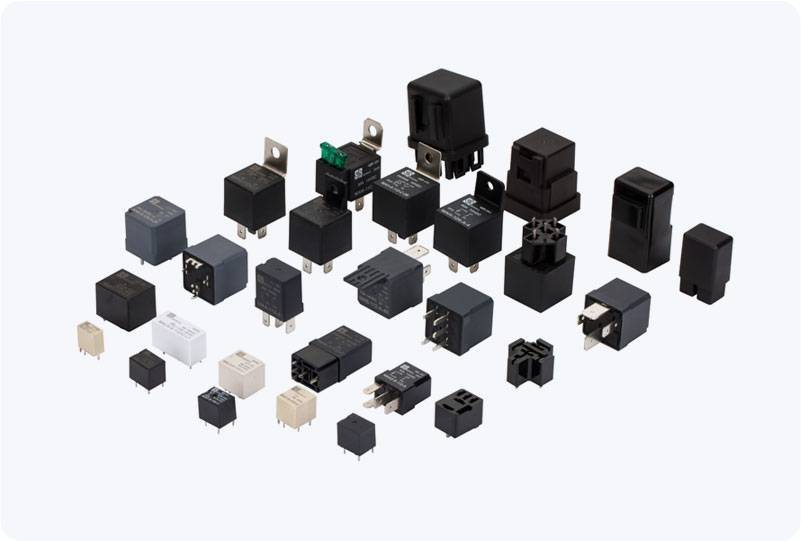
What is a Wi-Fi Smart Relay? A Wi-Fi Smart Relay is a device that connects electrical appliances to a wireless network, enabling them to be controlled remotely via a smartphone or tablet. Traditionally, electrical devices like lights, fans, or air conditioners operate using a simple on/off switch. However, with the introduction of Wi-Fi Smart Relays, these devices can be operated from anywhere in the world, as long as the user has access to the internet. The relay connects to the home’s Wi-Fi network, and once configured, it allows the user to control the power state of the connected device using a dedicated mobile app or voice assistant like Amazon Alexa or Google Assistant. This wireless connectivity offers significant flexibility, making it an attractive option for those seeking a more automated and efficient way to manage their household appliances.

the advantages and applications of wcb electric screw ball valve

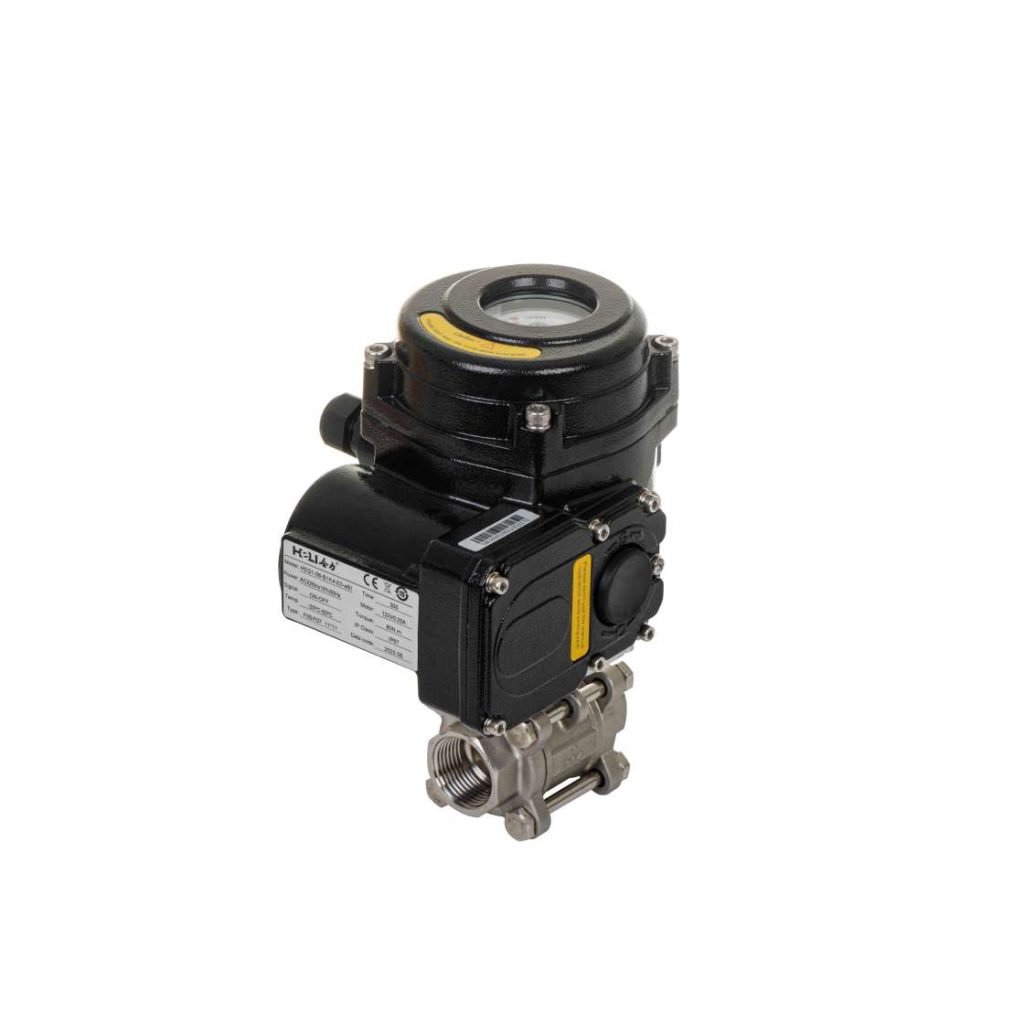
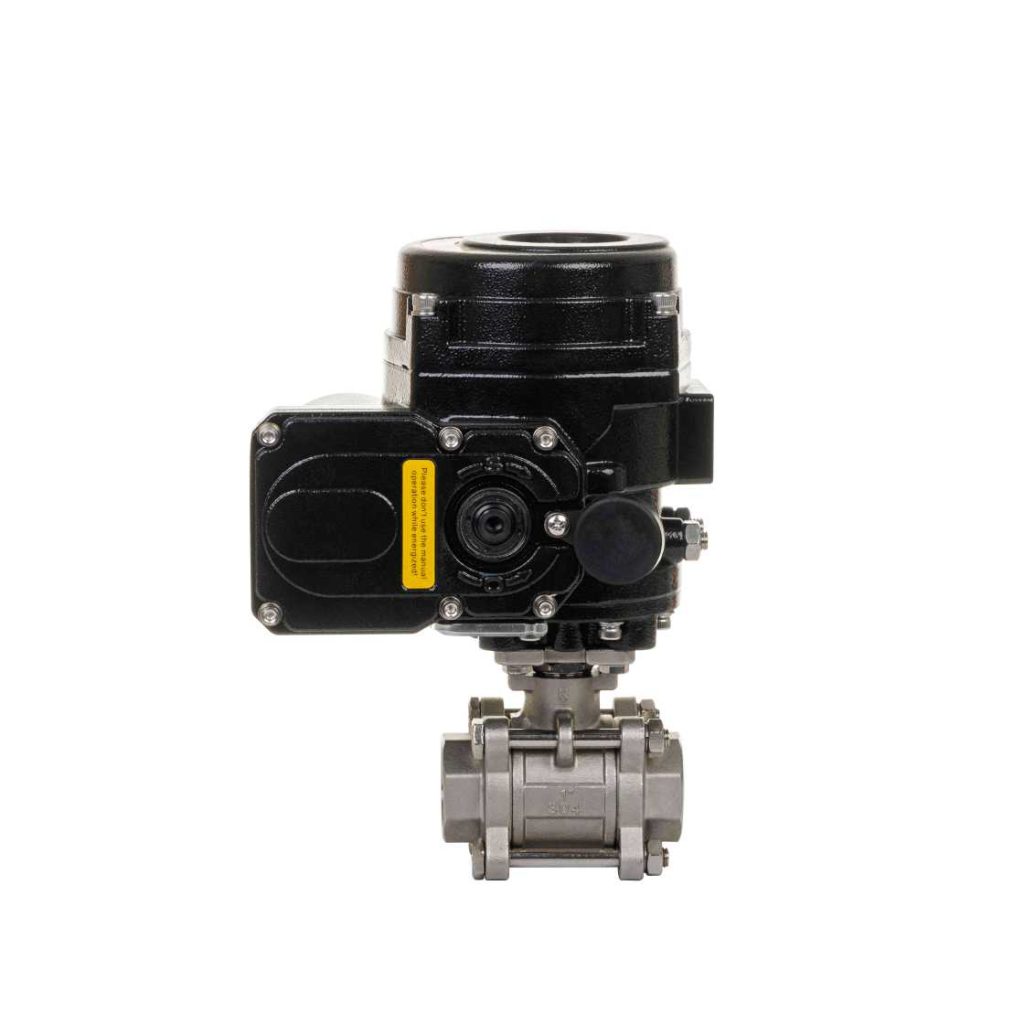
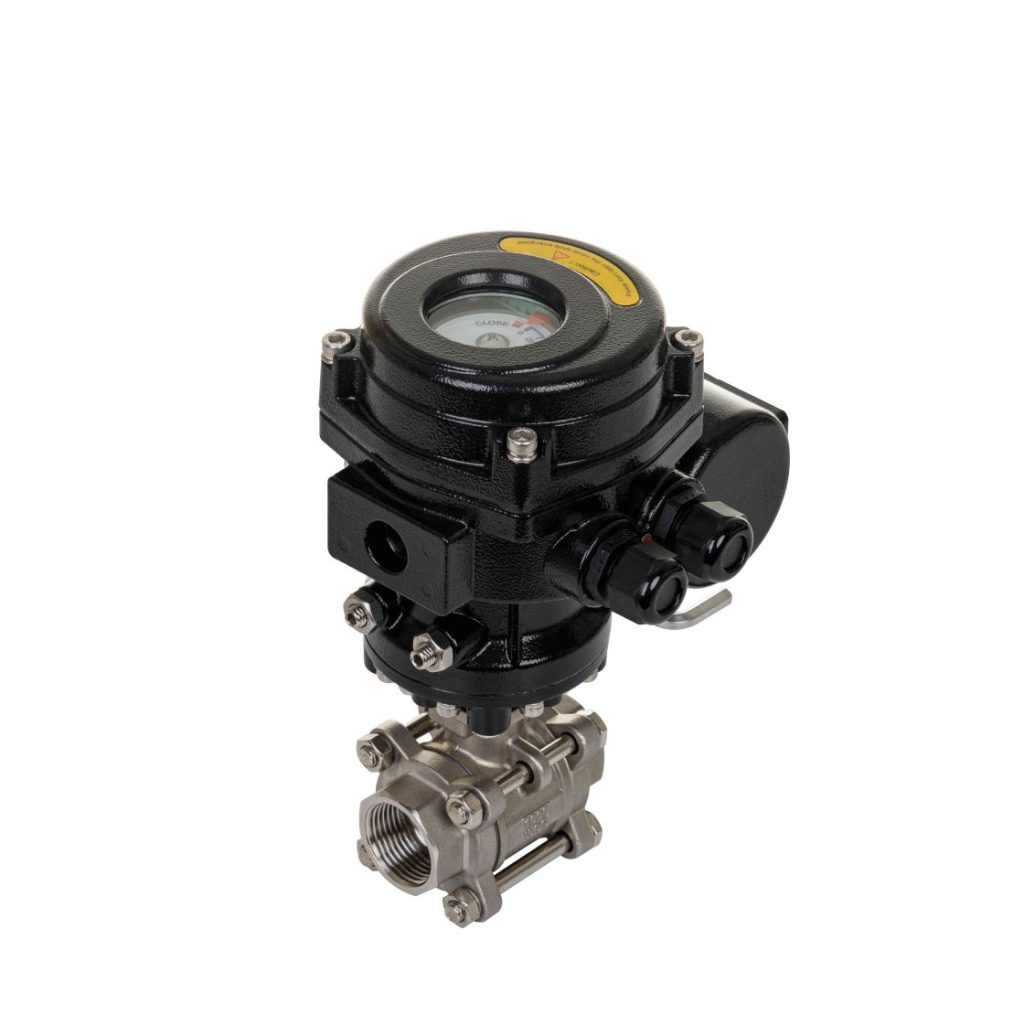
The WCB Electric Screw Ball Valve is an essential component in the field of fluid control, offering both reliability and efficiency in various industrial applications. This type of valve combines the robust features of ball valves with electric actuators, creating a product that is widely used in automated systems across numerous sectors, such as oil, gas, petrochemicals, and water treatment. This article explores the functionality, advantages, and key applications of the WCB Electric Screw Ball Valve.

What is a WCB Electric Screw Ball Valve?

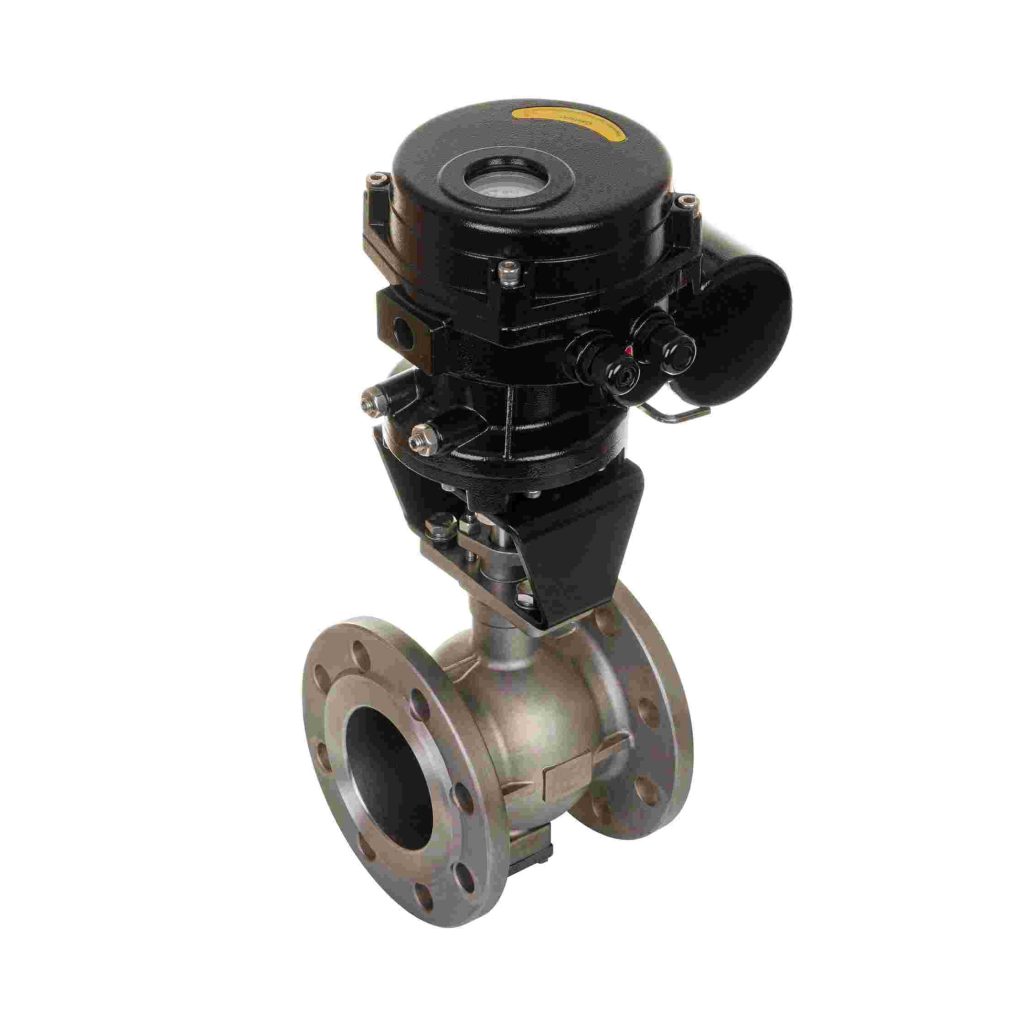
The WCB Electric Screw Ball Valve is a ball valve made from WCB material, which stands for “Wrought Carbon Steel.” This material is known for its high strength and durability, making it ideal for moderate pressure and temperature conditions. The valve itself features a spherical disc (the ball) that controls the flow of fluid through a pipe. What distinguishes the WCB Electric Screw Ball Valve from traditional ball valves is the integration of an electric actuator and screw mechanism, which provides precise control over the valve’s position. The electric actuator enables remote or automatic operation of the valve, which is essential for applications requiring high levels of automation. The screw mechanism, depending on the design, can offer fine-tuned adjustments, making it an ideal solution for systems where precise flow regulation is necessary.

stainless steel pneumatic butterfly valve: an in-depth overview

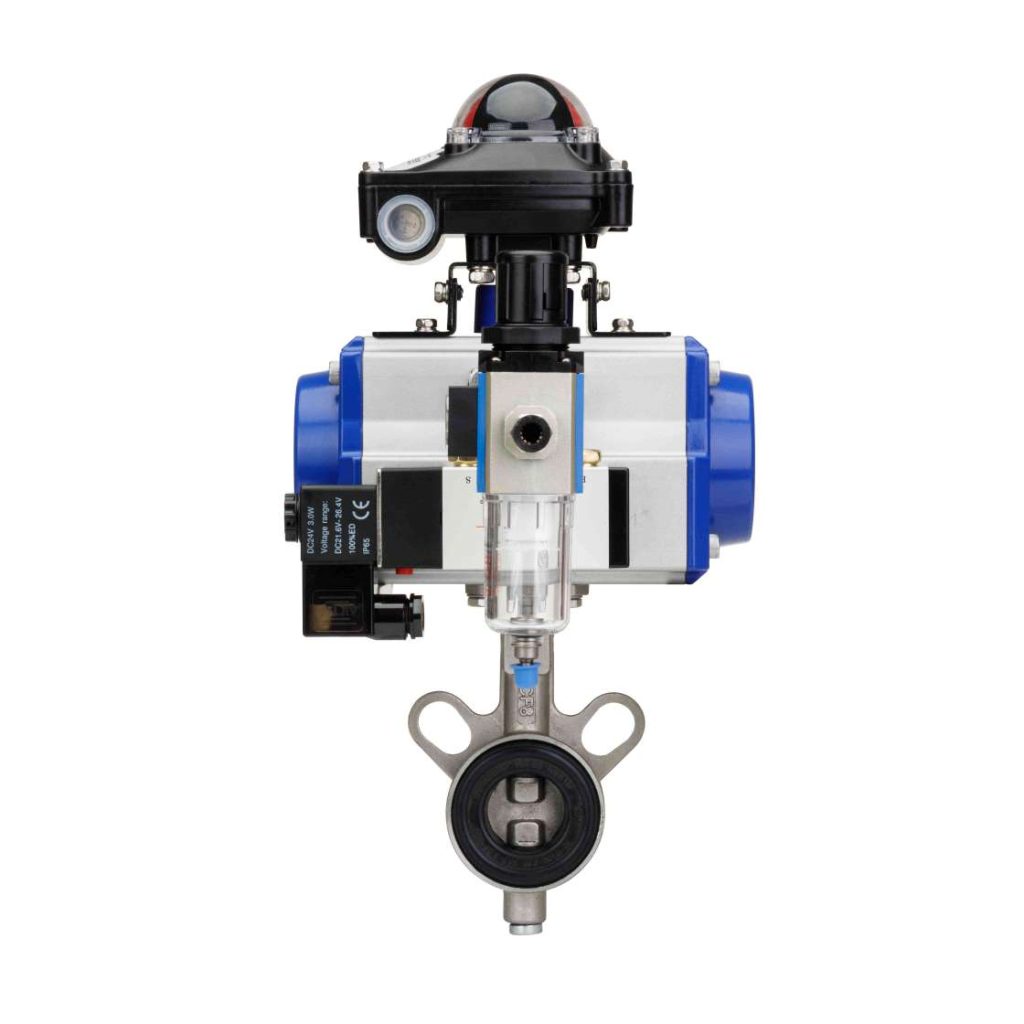
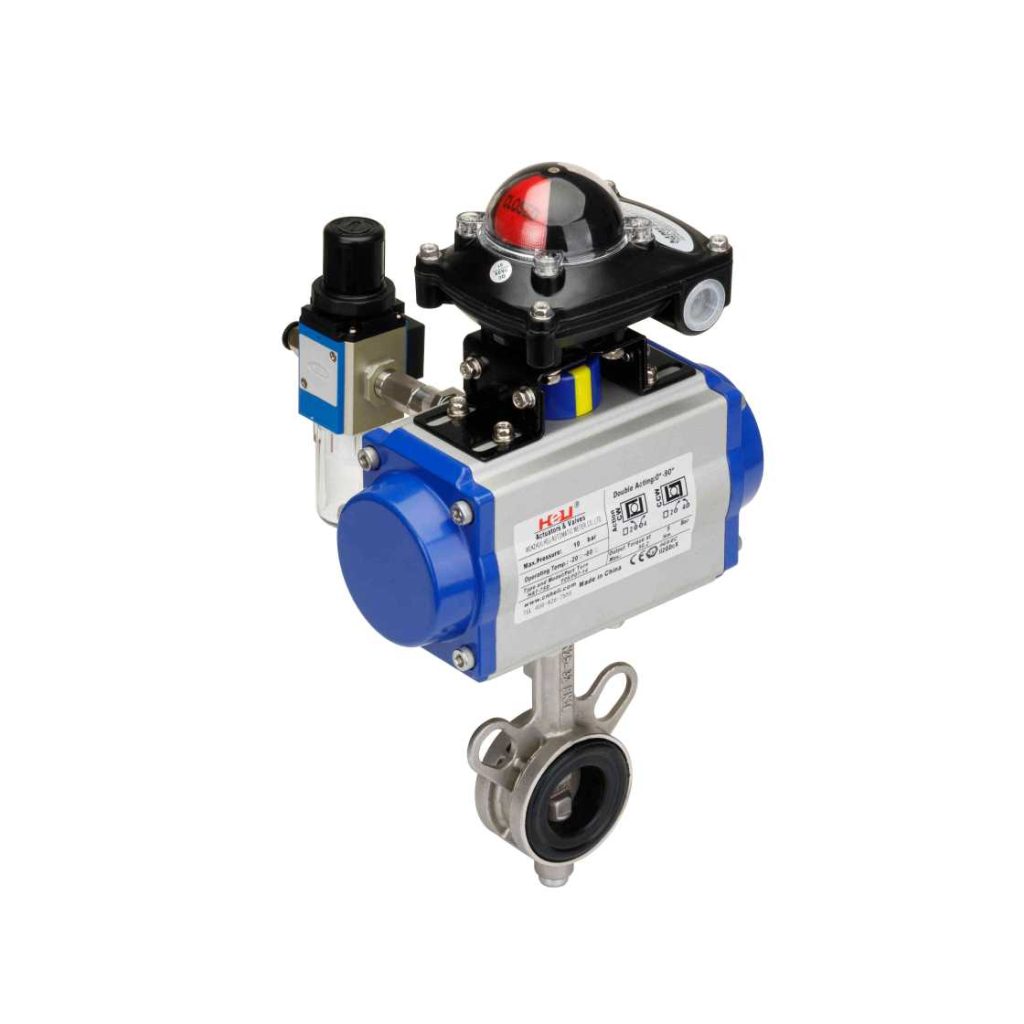
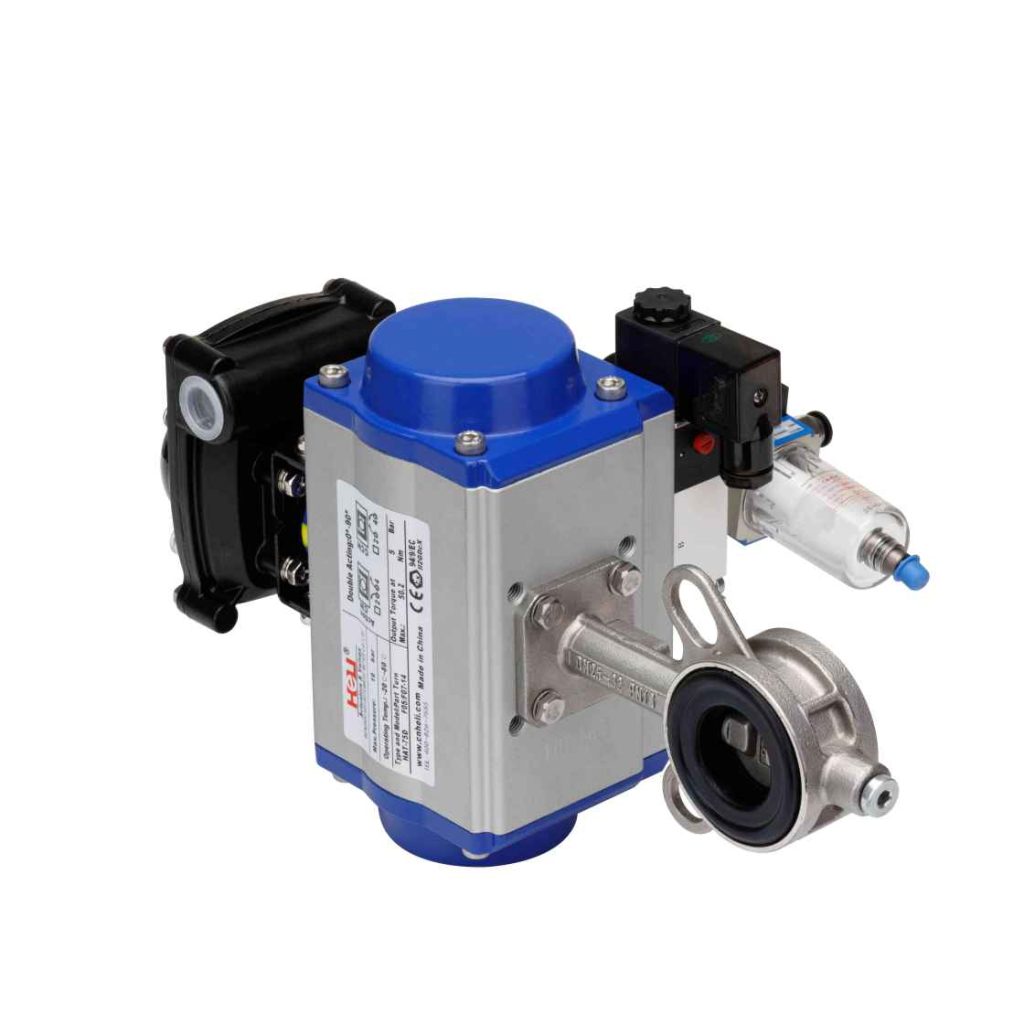
The stainless steel pneumatic butterfly valve is a crucial component in various industrial applications due to its durability, precision, and efficiency. This valve type combines the robust characteristics of stainless steel with the control capabilities of pneumatic actuation, making it ideal for managing the flow of fluids in a range of systems.

1. Overview and Functionality

Stainless steel Pneumatic butterfly valve

The stainless steel pneumatic butterfly valve features a disk-shaped element, known as the “butterfly,” that rotates within the flow path to regulate the flow of fluids. This disk can be rotated to open, close, or partially obstruct the flow, providing precise control over the fluid dynamics. The pneumatic actuator, typically powered by compressed air, facilitates the smooth and efficient operation of the valve, enabling remote or automated control. 2. Advantages of Stainless Steel Construction Stainless steel is chosen for its excellent corrosion resistance, strength, and durability. This material is particularly advantageous in harsh environments where exposure to chemicals, high temperatures, or abrasive materials is common. Stainless steel’s resilience ensures that the valve maintains its structural integrity and performance over time, even in challenging conditions.

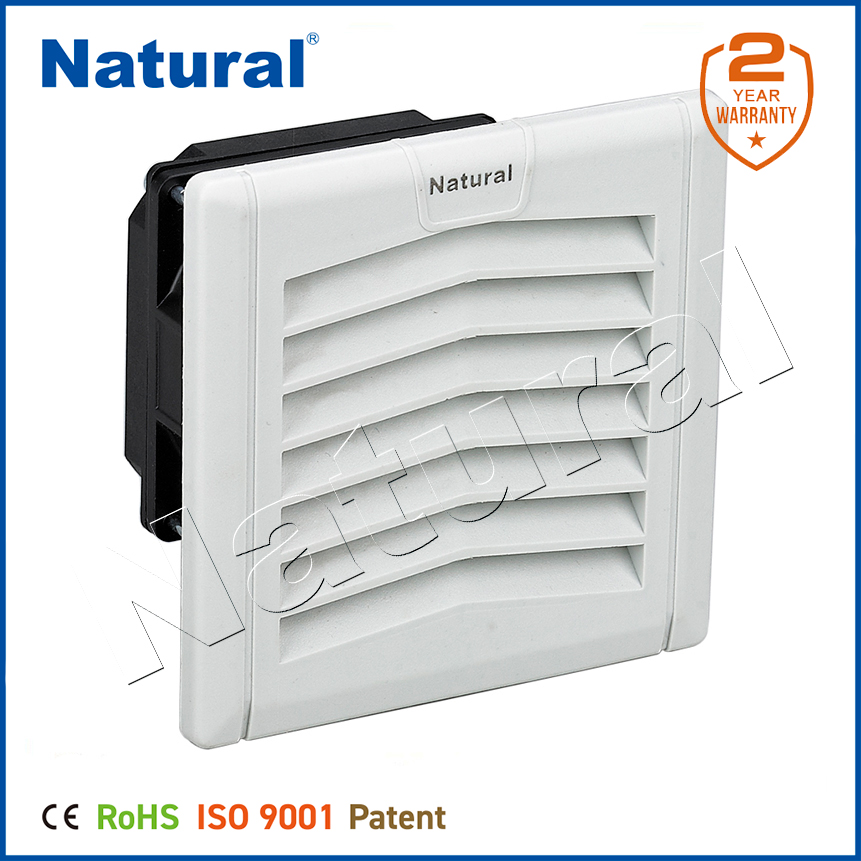
the importance of air filter fans in maintaining clean and healthy air

In today’s world, air quality has become a significant concern for people everywhere, particularly with the increase in industrial activity, urbanization, and the prevalence of allergens. Clean air is essential for maintaining good health, and air filter fans are among the most effective devices to help purify the air we breathe. These devices play a crucial role in removing dust, dirt, pollen, and even harmful pathogens, ensuring that the environment remains conducive to respiratory health. In this article, we will explore the functionality, benefits, and applications of air filter fans and why they have become indispensable in homes, offices, and industrial settings.

What Is an Air Filter Fan?

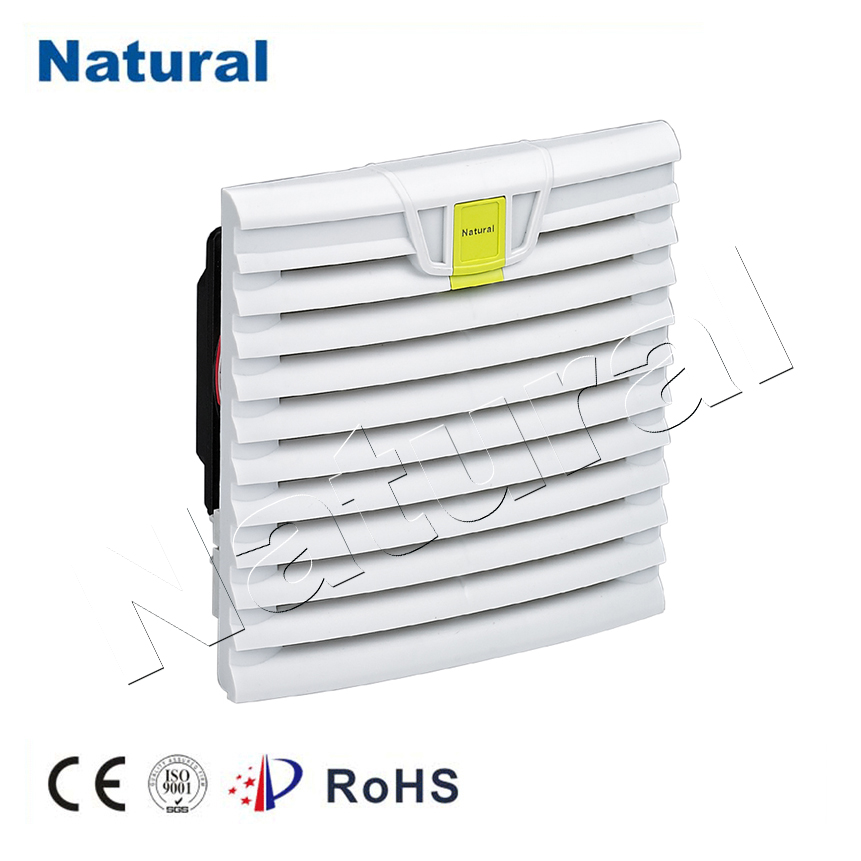
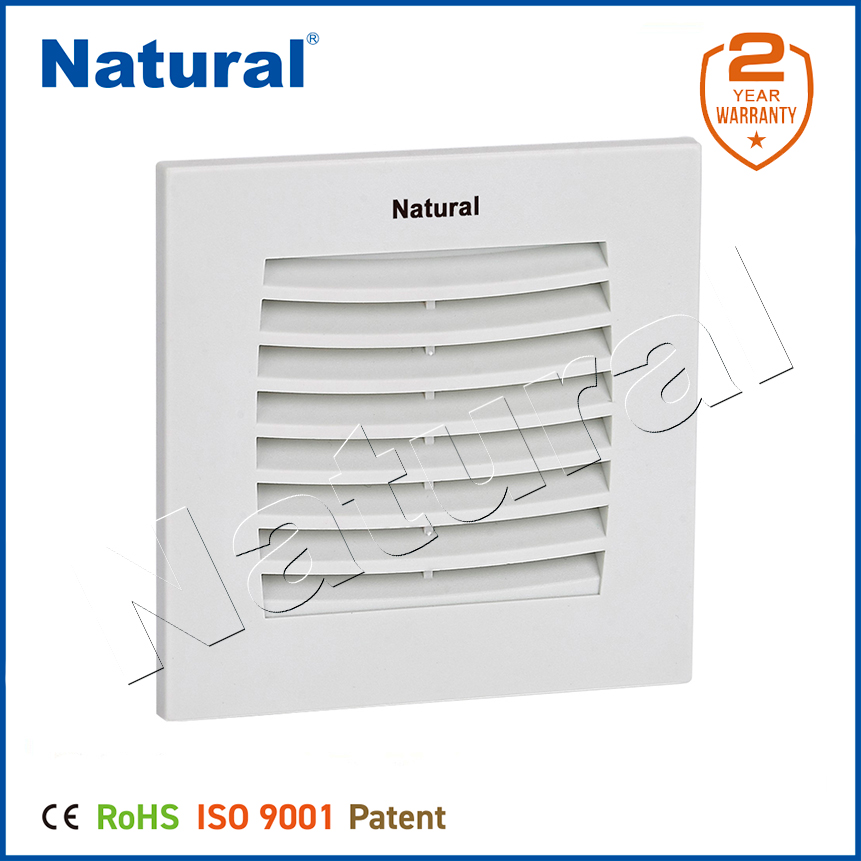
An air filter fan is a combination of a fan and an air filtration system. The fan circulates air through the unit, drawing in the surrounding air, while the integrated air filter traps particles and contaminants, purifying the air. These units typically use filters such as HEPA (High-Efficiency Particulate Air) filters, activated carbon filters, or ionizing filters to cleanse the air. The filtered air is then released back into the environment, cleaner and healthier for inhalation. How Do Air Filter Fans Work? The primary mechanism behind air filter fans is the flow of air through the unit. As air enters the device, it is first passed through the filter, which is designed to capture a wide range of particles. HEPA filters, for instance, are capable of trapping up to 99.97% of particles that are 0.3 microns in diameter, which includes common allergens like pollen, dust mites, and pet dander.

the rising importance of electric valve manufacturers in modern industry

Electric valves have become indispensable components in various industrial processes, serving as critical elements for controlling the flow of fluids and gases in pipelines. As industries evolve and technology advances, the demand for efficient, reliable, and precise control systems has led to a significant rise in the role of electric valve manufacturers. This article explores the significance of electric valve manufacturers, the technologies involved, the benefits they offer, and the challenges they face in the modern industrial landscape.

The Role of Electric Valve Manufacturers

Electric valve manufacturer

Electric valve manufacturers specialize in designing and producing electric valves that automate the opening and closing of valves using electric actuators. These valves can be found in a myriad of applications, including water treatment plants, oil and gas refineries, power generation facilities, and chemical processing industries. The primary function of electric valves is to regulate flow and pressure in a system, ensuring optimal performance while minimizing waste and energy consumption. As industries shift toward automation and digitalization, electric valve manufacturers play a pivotal role in supplying the necessary components that enhance process control and efficiency. By integrating electric valves with advanced control systems, manufacturers enable real-time monitoring and adjustments, significantly improving operational effectiveness.

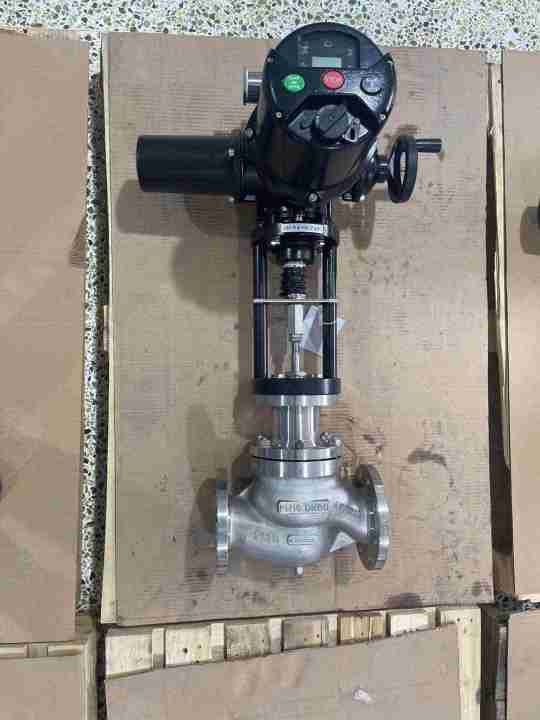
electric two-seat regulating valve oem manufacturer: enhancing precision and efficiency in industrial applications

In today’s rapidly advancing industrial landscape, the demand for high-performance, reliable components has reached unprecedented levels. One such essential component is the electric two-seat regulating valve, a crucial element in many industries, including oil and gas, chemical processing, power generation, and water treatment. As industries seek to enhance operational efficiency and improve system reliability, electric two-seat regulating valve OEM (Original Equipment Manufacturer) manufacturers have become integral to meeting these needs. This article explores the importance of electric two-seat regulating valves, the role of OEM manufacturers, and the impact of their contributions to various industries.

Electric two-seat regulating valve oem manufacturer

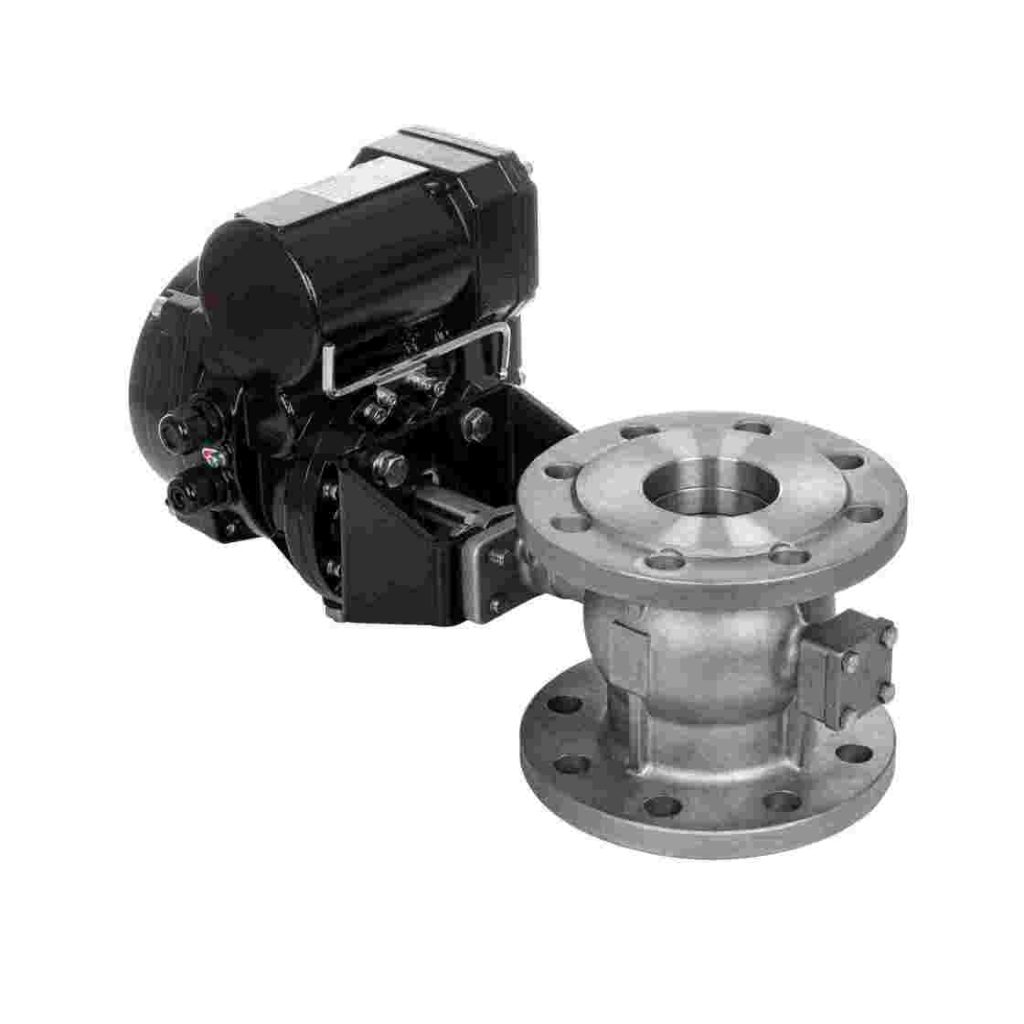
Understanding Electric Two-Seat Regulating Valves Electric two-seat regulating valves are specialized control valves that utilize electrical power to regulate the flow of fluids within a system. The two-seat design refers to the configuration of two valve seats, which allow for more precise control of fluid flow and offer a greater sealing ability compared to single-seat valves. These valves are equipped with electric actuators that respond to signals from the control system, enabling automatic adjustments in real-time. The primary purpose of electric two-seat regulating valves is to ensure the optimal flow of fluids, which is critical for maintaining stability and safety in a wide range of industrial processes. These valves are particularly effective in regulating pressure, temperature, and flow rate, which are essential parameters in many systems. Industries that rely on fluid handling, such as petrochemical plants, power stations, and HVAC systems, depend on the accurate functioning of these valves to maintain process integrity and prevent costly disruptions.

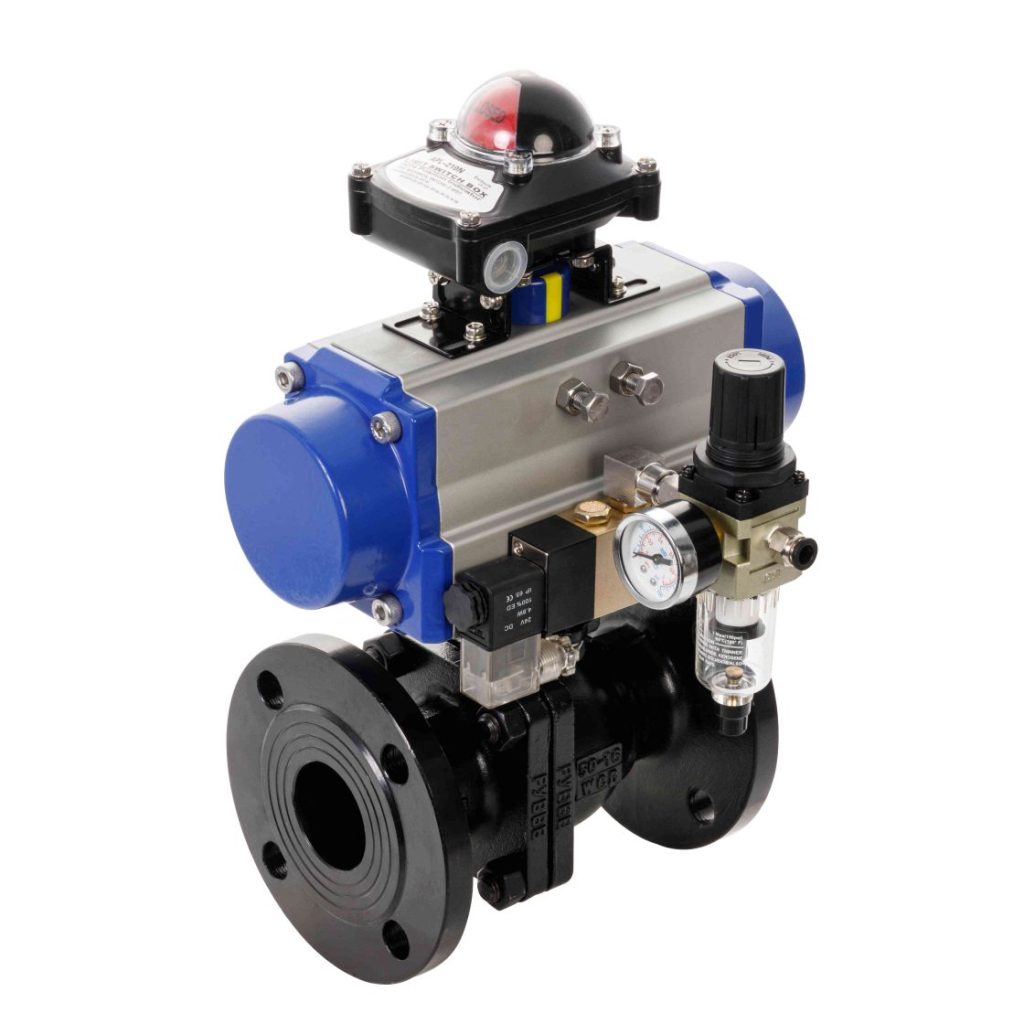
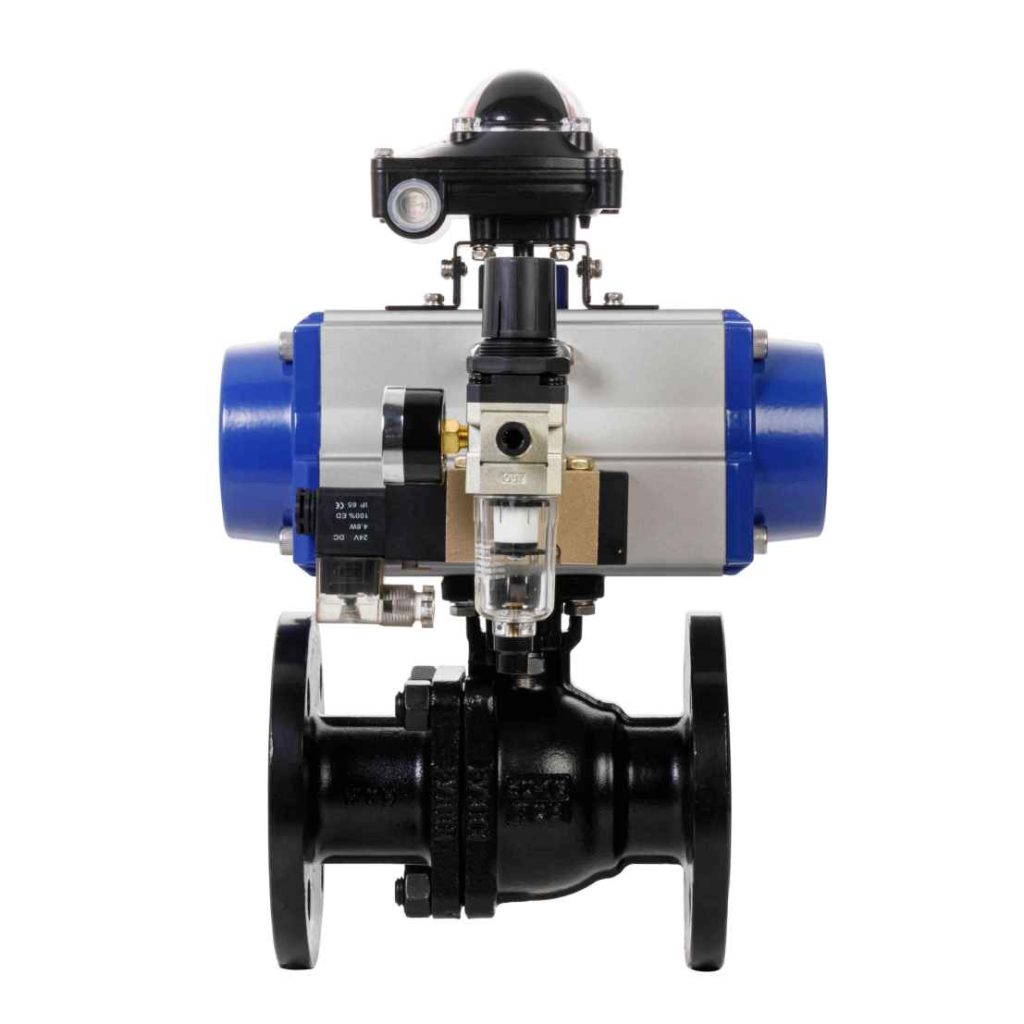
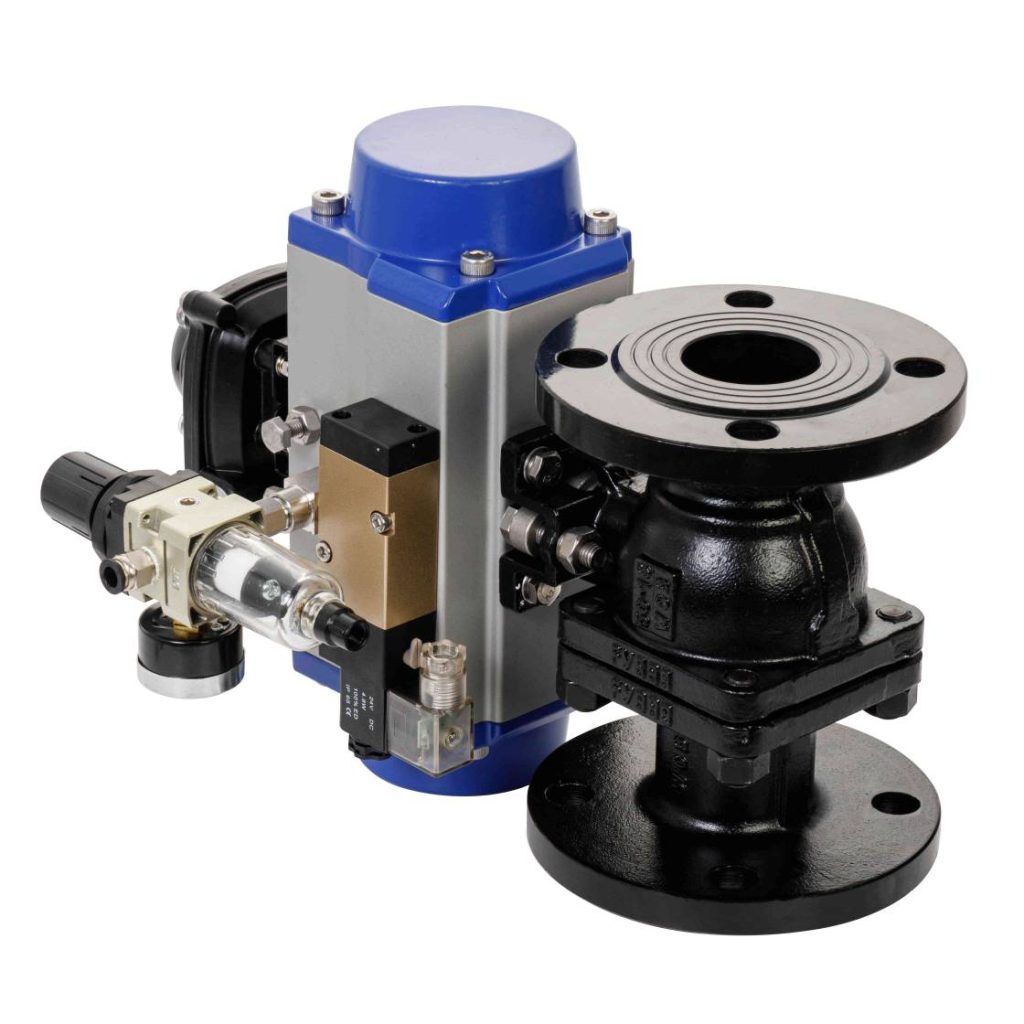
the versatility and importance of the stainless steel pneumatic ball valve

In the industrial world, valves play a crucial role in regulating the flow of fluids within various systems. Among these valves, the stainless steel pneumatic ball valve stands out due to its unique features and adaptability to diverse environments. This article delves into the structure, function, and importance of the stainless steel pneumatic ball valve.

Structure and Design

The stainless steel pneumatic ball valve is constructed primarily from high-grade stainless steel, ensuring durability and resistance to corrosion. This material choice makes it suitable for use in harsh environments where other materials may deteriorate quickly. The valve’s design features a spherical disc or ball, which rotates 90 degrees to either block or allow the flow of fluid. This design allows for quick and easy operation, making it an ideal choice for applications that require rapid response times. Functionality The pneumatic ball valve’s functionality is driven by a pneumatic actuator, which uses compressed air to open and close the valve. This actuator provides a reliable and precise means of controlling the valve, even in remote or automated systems. When compressed air is applied to the actuator, it exerts force on the ball, causing it to rotate and either align with or perpendicular to the flow of fluid. By adjusting the air pressure, precise control over the fluid’s flow rate can be achieved.

explosion proof electric actuator: enhancing safety and efficiency in hazardous environments

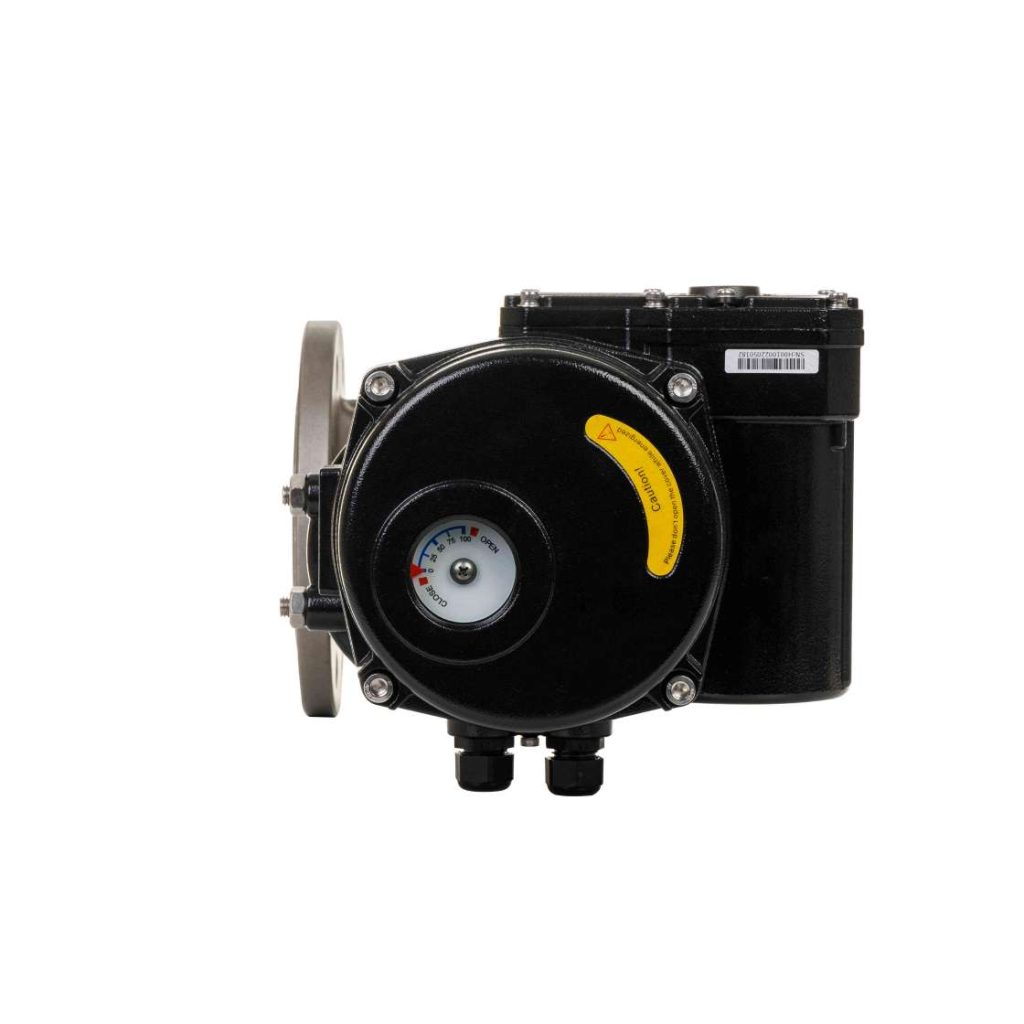
In industrial environments where flammable gases, vapors, or combustible dusts are present, the need for equipment that can operate safely without the risk of igniting these hazardous materials is paramount. Explosion-proof electric actuators are designed to meet this critical need, offering both safety and efficiency in industries such as oil and gas, chemicals, mining, and power generation. These actuators play a vital role in automating the operation of valves, dampers, and other mechanical systems in areas where explosions could pose serious threats to human lives and equipment.

What is an Explosion Proof Electric Actuator?

An explosion-proof electric actuator is an automated device that uses electric power to drive mechanical motion, such as opening or closing valves or operating other machinery. It is specially designed to function in explosive or hazardous environments without the risk of triggering an explosion. These actuators are built with reinforced enclosures, internal components, and safety mechanisms that are capable of containing sparks or heat generated during operation, ensuring that they do not ignite the surrounding hazardous atmosphere. Key Features of Explosion Proof Electric Actuators Explosion-Proof Housing: One of the most important features of explosion-proof actuators is their robust outer casing. These actuators are enclosed in housings made of corrosion-resistant metals like aluminum alloy or stainless steel. The enclosure is designed to withstand high pressures and prevent sparks or heat from escaping, which could otherwise ignite the surrounding atmosphere. The design of the housing also ensures that the actuator remains operational under extreme environmental conditions.

understanding electric pinch valve: a versatile solution for flow control

Electric pinch valves are widely recognized for their ability to control the flow of various media in piping systems. With their precise control, durability, and relatively simple design, these valves are becoming increasingly popular in industries such as pharmaceuticals, food processing, water treatment, and chemicals. In this article, we will explore what an electric pinch valve is, how it works, its advantages, and its applications.

Electric pinch valve

What is an Electric Pinch Valve? An electric pinch valve is a type of valve that uses an elastomeric tube to control the flow of fluid or gases. Unlike traditional valves, which employ mechanical gates, balls, or discs to regulate flow, the electric pinch valve operates by pinching or squeezing the flexible tube. This squeezing action completely isolates the medium from the valve’s actuators, preventing contamination and making the valve ideal for handling slurry, powders, and other non-cleanable materials. The “electric” component of the valve refers to the electric actuator that drives the pinch mechanism. When the actuator receives a signal, it applies force to pinch the valve’s flexible tube, thereby controlling the flow. When the valve is open, the tube remains relaxed, and fluids or gases can flow freely through the pipe.