Car relays are essential components in the electrical systems of modern vehicles. These small yet powerful devices play a pivotal role in controlling the flow of electrical current to various car components, enabling smooth operation of crucial functions like starting the engine, controlling lights, and managing safety features. While seemingly simple, relays come in various types, each designed for specific functions. In this article, we will explore the different car relay types, their applications, and how they contribute to the vehicle’s overall performance.
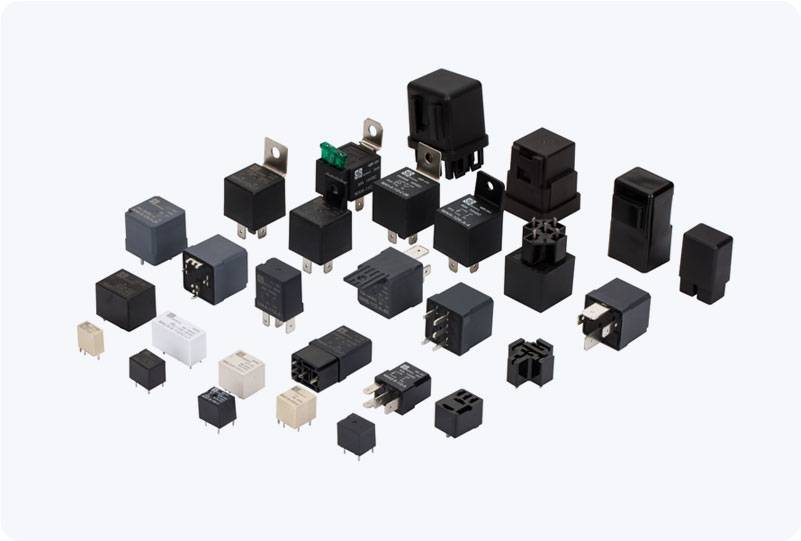
What is a Car Relay? A car relay is an electrically operated switch that allows a low current to control a high current circuit. It typically uses an electromagnet to activate a switch mechanism, closing or opening a set of contacts. Relays are used in vehicles to enable the safe and efficient operation of electrical components that require more power than a basic switch can handle. 1. Normally Open (NO) Relay The most common type of car relay is the Normally Open (NO) relay. In its default state, the contacts of the relay are open, meaning that the circuit is not complete, and no current flows. When the relay is energized, the electromagnet inside the relay pulls the contacts together, completing the circuit and allowing current to flow to the connected component. This type of relay is often used in vehicle lighting systems, where the lights are turned on only when the relay is activated.