In modern electronic systems, particularly in high-power applications like motor drives, power supplies, and electric vehicles, capacitors play an essential role in energy storage and voltage regulation. However, charging large capacitors can cause significant issues due to inrush currents, potentially damaging the components and causing operational instability. To address these concerns, a Capacitor Precharge Circuit Relay is employed to safely manage the charging process, ensuring smooth and controlled operation. This article delves into the working principle, importance, and applications of capacitor precharge circuits using relays.
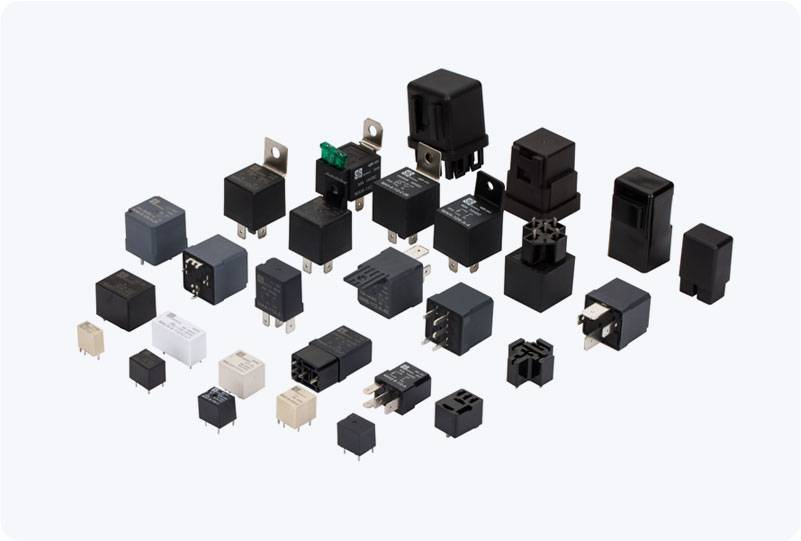
What is a Capacitor Precharge Circuit Relay? A Capacitor Precharge Circuit Relay is a system used to safely charge large capacitors by limiting the inrush current that flows when they are initially connected to the power supply. The precharge circuit typically includes a resistor, a relay, and sometimes additional switches or MOSFETs, all of which work together to control the charging rate of the capacitor. The core function of the relay is to initially control the capacitor’s connection to the power supply. When the system is powered on, the relay is open, preventing the capacitor from directly connecting to the supply. This delay is crucial for charging the capacitor gradually, thereby preventing the sudden surge of current.