The Capacitor Precharge Circuit Relay is a critical component in modern electrical systems, particularly in high-voltage applications such as electric vehicles, power inverters, and battery management systems. It plays an essential role in ensuring that capacitors, which store electrical energy, charge gradually rather than instantly. This gradual charging prevents significant electrical shocks that could damage sensitive components like switches, relays, and capacitors themselves. In this article, we will explore the importance, working principle, and applications of capacitor precharge circuits and their role in enhancing the reliability and longevity of electrical systems.
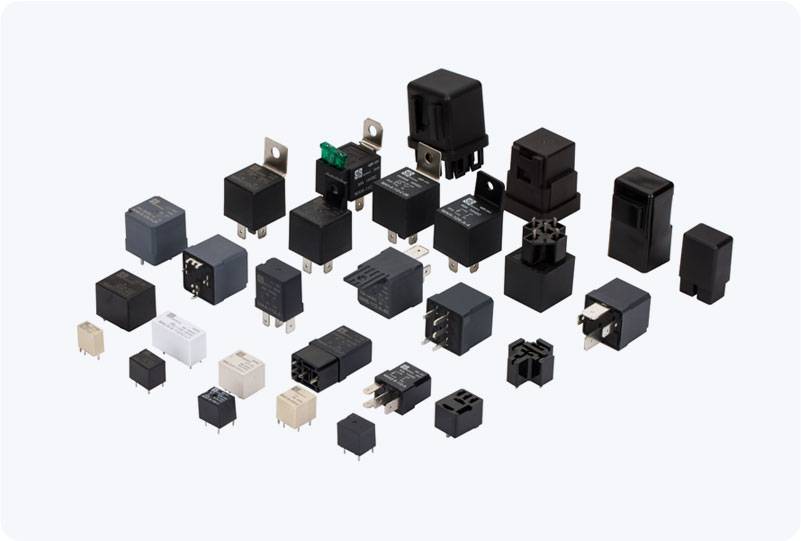
Importance of Capacitor Precharge Circuit Relay Capacitors are widely used in electrical systems for filtering, energy storage, and power conditioning. However, when capacitors are initially connected to a power supply, they act as a short circuit until they charge up to the voltage level of the source. This sudden surge of current can be very damaging to electrical components such as relays, fuses, and the power source itself. This is where a Capacitor Precharge Circuit Relay comes into play. It ensures that the capacitor charges gradually, preventing the risk of excessive inrush current that could harm the system.