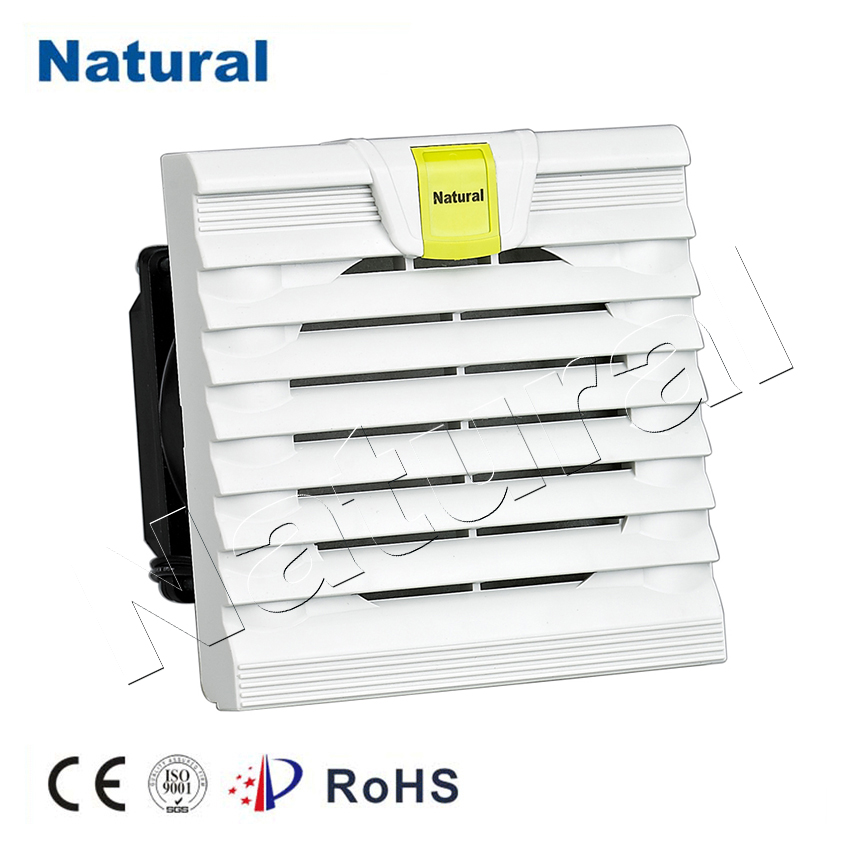
In industrial environments, particularly in electrical cabinets and control systems, maintaining optimal temperatures is crucial to ensuring the reliable operation of sensitive electronic devices. Overheating can lead to system failures, reduced performance, and increased maintenance costs. To prevent such issues, proper ventilation and cooling mechanisms, such as cabinet fans and filter fans, play an indispensable role. In this article, we will explore the differences, functions, and applications of cabinet fans and filter fans, two essential cooling solutions that are widely used to enhance the efficiency and longevity of electrical equipment.
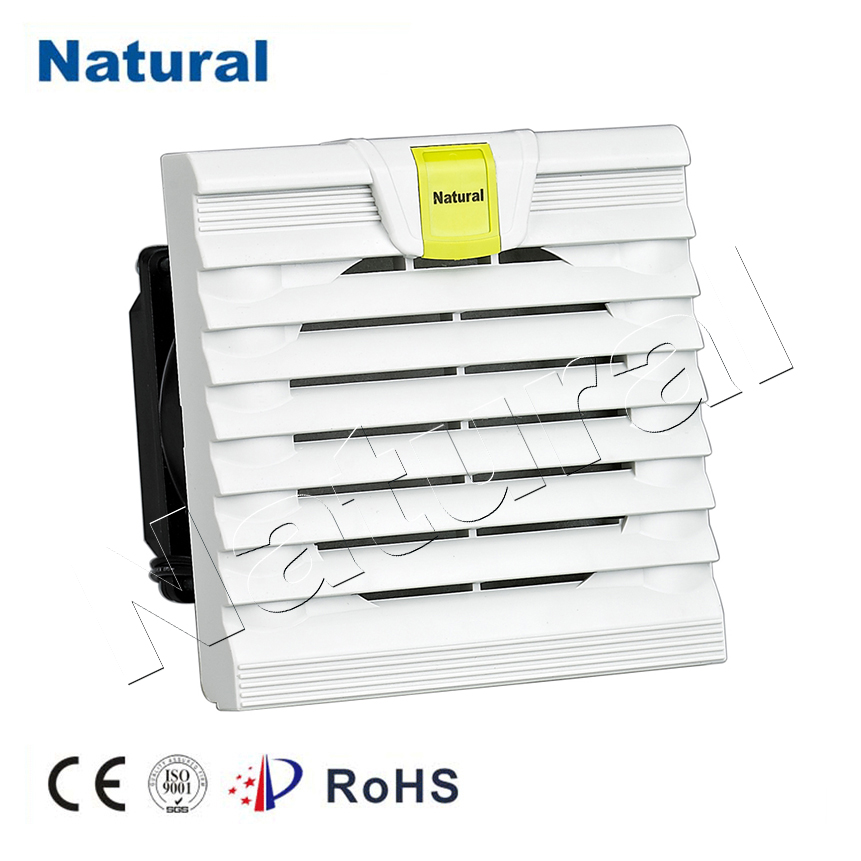
What is a Cabinet Fan?
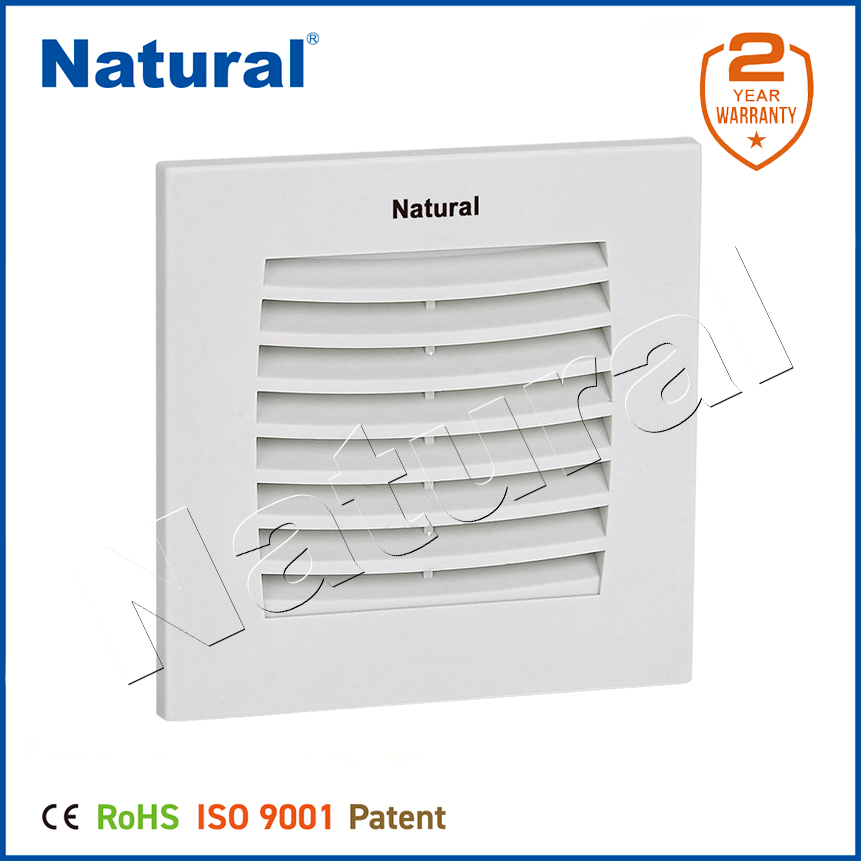
A cabinet fan is a device designed to provide ventilation and cooling to equipment within a cabinet or enclosure. It is used to regulate the temperature inside control cabinets, electrical enclosures, and industrial control systems by promoting air circulation. The fan draws in external air to replace the hot air inside the cabinet, preventing heat buildup and ensuring that electronic components do not overheat. The primary function of a cabinet fan is simple but vital: to create airflow that facilitates the dissipation of heat. These fans are typically installed on the sides or top of a cabinet, with the air drawn from outside and circulated within the cabinet to expel warm air. In more advanced setups, multiple fans may be used to maintain an even temperature throughout the enclosure, depending on the heat load and the equipment’s power consumption.