Introduction
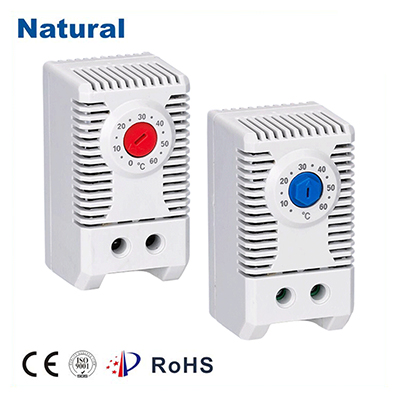
In the world of temperature control, bimetal thermostats have emerged as a dependable and versatile solution. These devices play a crucial role in various industries and applications where maintaining specific temperature ranges is paramount. The ingenious design and functionality of bimetal thermostats make them an indispensable tool for ensuring the efficient operation of countless devices and systems. The Ingenious Mechanism At the heart of a bimetal thermostat lies a simple yet ingenious mechanism. The device consists of two different metal strips, usually composed of materials with varying coefficients of thermal expansion. When exposed to temperature changes, these metal strips expand or contract at different rates, causing the entire structure to bend or flex. This mechanical movement is harnessed to actuate a switch that controls the heating or cooling process. Accurate Temperature Sensing One of the primary advantages of bimetal thermostats is their accurate temperature sensing capability. As the temperature fluctuates, the bimetal strip responds with a predictable bending motion. This motion can be finely calibrated to trigger the switch at a precise temperature point. This accuracy ensures that the controlled environment remains within the desired temperature range, preventing overheating or excessive cooling. Reliability and Durability Bimetal thermostats are renowned for their robustness and durability. The absence of fragile components, such as delicate electronics or sensors, makes them less susceptible to wear and tear. This resilience allows bimetal thermostats to function reliably even in challenging environments, such as industrial settings with vibrations, dust, and humidity. Their longevity reduces maintenance needs and overall costs. Diverse Applications The versatility of bimetal thermostats is evident in their widespread applications. They are commonly found in household appliances like ovens, toasters, and refrigerators, where they ensure consistent and safe temperature levels. In industrial settings, bimetal thermostats are used in machinery, manufacturing processes, and HVAC systems to control temperature variations. Even automotive applications benefit from the accuracy and reliability of bimetal thermostats in regulating engine temperatures. Energy Efficiency Bimetal thermostats contribute to energy efficiency by preventing unnecessary heating or cooling. By accurately maintaining the desired temperature range, they minimize energy consumption and reduce operational costs. This eco-friendly characteristic aligns with modern efforts to create sustainable and environmentally responsible technologies. Limitations and Future Developments While bimetal thermostats offer numerous advantages, they do have limitations. Their responsiveness can be slower compared to electronic sensors, which might not be suitable for applications requiring rapid temperature changes. Additionally, their accuracy can be influenced by factors such as mechanical wear over time. Researchers and engineers are continuously working to improve bimetal thermostat technology. Incorporating smart features, enhanced materials, and more sophisticated calibration methods could address current limitations and expand the range of applications even further. Conclusion Bimetal thermostats are a shining example of how a simple yet effective mechanism can have a profound impact on various industries. Their accurate temperature sensing, reliability, and versatility make them a cornerstone of temperature control solutions. As technology advances, bimetal thermostats are likely to continue evolving, ensuring that they remain a vital component in the world of temperature regulation for years to come.