Introduction
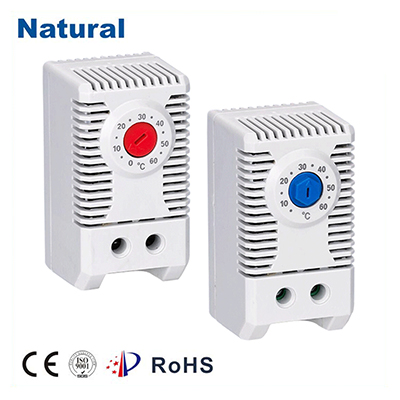
In the realm of modern technology, the evolution of temperature control systems has been nothing short of remarkable. One significant innovation that has played a pivotal role in various industries is the bimetal thermostat. This ingenious device utilizes the principles of thermal expansion to regulate temperature, making it a cornerstone in maintaining optimal conditions in diverse applications. In this article, we will delve into the workings, applications, advantages, and future prospects of bimetal thermostats. The Science Behind Bimetal Thermostats At the heart of bimetal thermostats lies the concept of differential expansion. They consist of two different metal strips that are firmly bonded together. These metal strips expand and contract at different rates when subjected to temperature changes. The bimetallic strip is precisely designed to bend in response to temperature fluctuations. This bending action triggers a mechanical switch that opens or closes an electrical circuit, thereby controlling the connected system. Working Principle and Applications The operation of bimetal thermostats is elegantly simple yet incredibly effective. When the temperature rises, one metal strip expands faster than the other, causing the bimetallic strip to bend towards the side with the faster expanding metal. This bending action can be utilized to either open or close a circuit, depending on the design of the thermostat. This makes bimetal thermostats versatile tools with numerous applications. One of the most common applications of bimetal thermostats is in household appliances such as ovens, refrigerators, and water heaters. They ensure that these appliances maintain a consistent and safe operating temperature, preventing overheating or excessive cooling. In the automotive industry, bimetal thermostats regulate engine temperatures, optimizing fuel efficiency and performance. Furthermore, they are employed in industrial settings to monitor and control processes that are sensitive to temperature variations. Advantages and Limitations Bimetal thermostats come with several advantages that contribute to their widespread use. They are cost-effective to manufacture, making them an economical choice for various applications. Their simple design enhances reliability, as there are fewer components that could malfunction. Additionally, bimetal thermostats are inherently durable, capable of withstanding harsh environments without losing accuracy. However, like any technology, bimetal thermostats have limitations. Their response time to temperature changes can be slower compared to more advanced electronic counterparts. This limitation might not be suitable for applications requiring rapid and precise temperature adjustments. Additionally, the mechanical nature of bimetal thermostats can lead to gradual wear and tear over time, affecting their long-term accuracy. Future Developments As technology continues to advance, bimetal thermostats are not exempt from innovation. Researchers and engineers are working to address their limitations and enhance their performance. Integration with digital sensors and microcontrollers could improve their responsiveness and accuracy. Furthermore, new materials and manufacturing techniques may lead to bimetal thermostats that are even more durable and versatile. Conclusion In conclusion, the bimetal thermostat stands as a testament to the ingenuity of human engineering. By harnessing the principles of differential expansion, this device has found its way into a plethora of applications, from household appliances to industrial processes. While it comes with its advantages and limitations, bimetal thermostats continue to play a vital role in maintaining optimal temperatures across various domains. As technology evolves, these devices are poised to adapt and thrive, solidifying their position as indispensable tools in our modern world.