In modern automobiles, the electrical system plays a crucial role in the overall performance and safety of the vehicle. One of the most important components in this system is the automotive relay, especially when it comes to controlling critical systems like headlights. The automotive relay for headlights ensures that the vehicle’s lights operate efficiently, reliably, and safely by handling higher electrical currents with minimal risk of damage to the vehicle’s main switch or wiring.
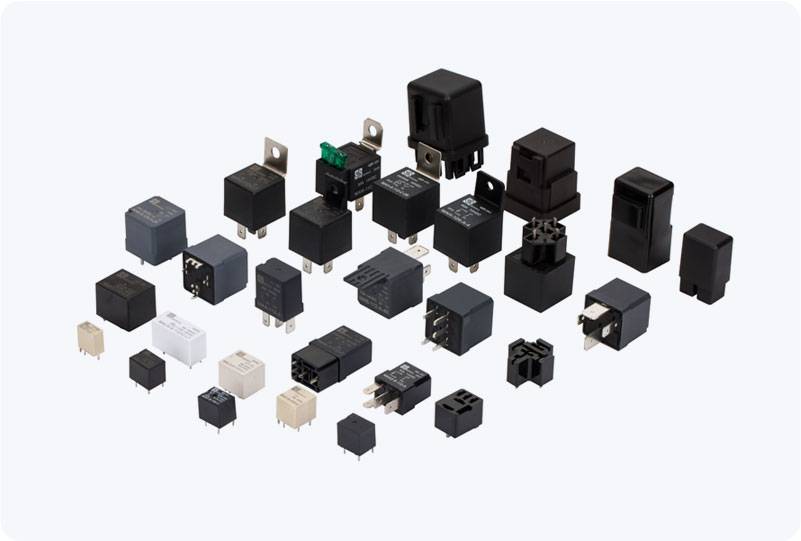
What is an Automotive Relay for Headlights? An automotive relay for headlights is an electrical switch that uses a low-current control circuit to activate a higher-current load circuit. It is designed to manage the flow of electricity to the vehicle’s headlights without subjecting the vehicle’s switches or wiring to excessive current. Essentially, the relay acts as an intermediary between the vehicle’s electrical system and its high-powered components, such as the headlights, which require substantial current to function properly. How Does an Automotive Relay Work? The operation of an automotive relay for headlights can be explained through the basics of electromagnetism. The relay consists of a coil of wire, a movable armature, and a set of contacts. When the ignition switch or headlight switch is turned on, a small current flows through the relay coil. This generates a magnetic field that attracts the armature, which then closes the relay’s contacts, allowing a much larger current to flow through the headlight circuit.