Automotive relays are fundamental components in vehicle electrical systems, enabling low-power control of high-power circuits. A relay typically uses an electromagnetic coil to open or close contacts, allowing the control of larger electrical loads like lights, motors, or other accessories. Understanding the specifications of the automotive relay coil is crucial for engineers, technicians, and vehicle manufacturers to ensure optimal relay performance, reliability, and longevity. This article explores the key specifications of automotive relay coils, including voltage, resistance, power, and other critical parameters that affect the operation of relays in automotive applications.
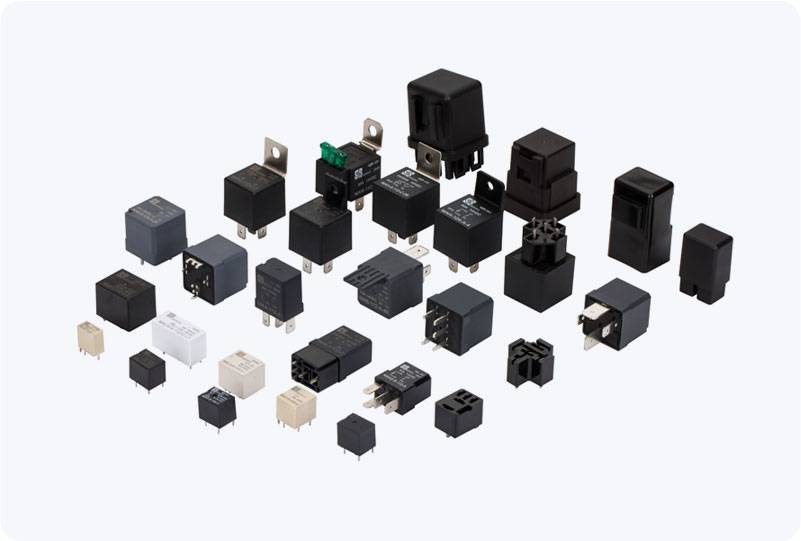
1. Nominal Voltage (Coil Voltage) The nominal voltage of a relay coil is one of the most important specifications. It refers to the voltage at which the relay is designed to operate efficiently. In automotive systems, the two most common nominal voltages are 12V and 24V. Most passenger vehicles use 12V electrical systems, making 12V relays the most widely used in everyday automotive applications. Heavy-duty trucks, buses, and commercial vehicles typically employ 24V relays due to their larger electrical systems. The nominal voltage must match the vehicle’s electrical system to ensure proper relay activation and avoid overloading.