In the modern world, where comfort and energy efficiency are paramount concerns, the development of technologies like automatic temperature control thermostats has revolutionized the way we manage our indoor environments. These intelligent devices have become an indispensable part of households and businesses alike, offering both convenience and energy savings.
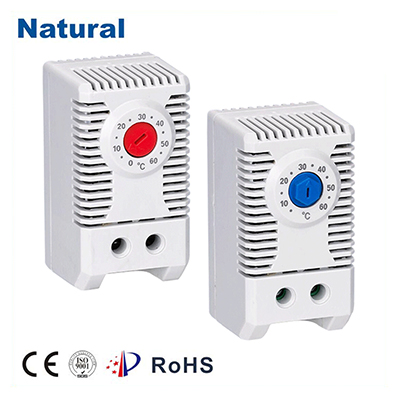
Automatic temperature control thermostats, often referred to simply as smart thermostats, are devices designed to regulate the temperature of a space without constant manual intervention. Unlike traditional thermostats that require manual adjustments to maintain a desired temperature, these advanced thermostats are equipped with sensors, algorithms, and connectivity features that enable them to learn from user behavior, anticipate preferences, and make automatic adjustments accordingly. One of the most significant advantages of automatic temperature control thermostats is their ability to enhance comfort. These devices utilize occupancy sensors to detect when a room is occupied, allowing them to adjust the temperature based on real-time occupancy data. Imagine walking into a room and having the temperature perfectly suited to your liking without having to touch a dial. Smart thermostats make this a reality by seamlessly adapting to your presence and preferences. Moreover, these thermostats excel in energy efficiency. They can learn your daily routines and create personalized heating and cooling schedules, ensuring that energy is not wasted when spaces are unoccupied. Some models even take weather forecasts into account, adjusting indoor temperatures in anticipation of changing outdoor conditions. This not only optimizes comfort but also contributes to substantial energy savings over time, reducing utility bills and lessening the overall carbon footprint. The convenience and efficiency of automatic temperature control thermostats are further amplified by their remote control capabilities. Through smartphone apps or web interfaces, users can monitor and adjust their thermostat settings from virtually anywhere. This proves invaluable for those moments when you forget to adjust the temperature before leaving for a vacation or returning home unexpectedly. With just a few taps on your phone, you can ensure that your living space is at the desired temperature when you arrive. Integration with smart home ecosystems is another compelling feature of these thermostats. Many smart thermostats are compatible with popular virtual assistants like Amazon Alexa, Google Assistant, and Apple HomeKit. This integration allows for voice-activated control, enabling you to adjust the temperature by simply speaking a command. Furthermore, some devices can communicate with other smart appliances, such as ceiling fans or blinds, to create a harmonized indoor environment that maximizes comfort and energy efficiency. Concerns about security and privacy are often raised with any connected device, and automatic temperature control thermostats are no exception. Manufacturers have recognized this and have implemented various security measures, such as data encryption and multi-factor authentication, to protect user information and device functionality. It’s crucial for users to follow best practices, such as using strong passwords and regularly updating software, to ensure the security of their smart thermostat. In conclusion, automatic temperature control thermostats have brought a new level of comfort and efficiency to modern living. These devices have the capacity to learn, adapt, and enhance the indoor environment by adjusting temperatures based on occupancy, schedules, and even weather forecasts. With remote control capabilities, integration into smart home ecosystems, and a focus on security, smart thermostats have become a cornerstone of both convenience and energy conservation. As technology continues to evolve, we can expect these devices to play an increasingly vital role in creating a more comfortable and sustainable future.