Author Archives: sm002

understanding the importance of bulk scaffolding lockout tags suppliers

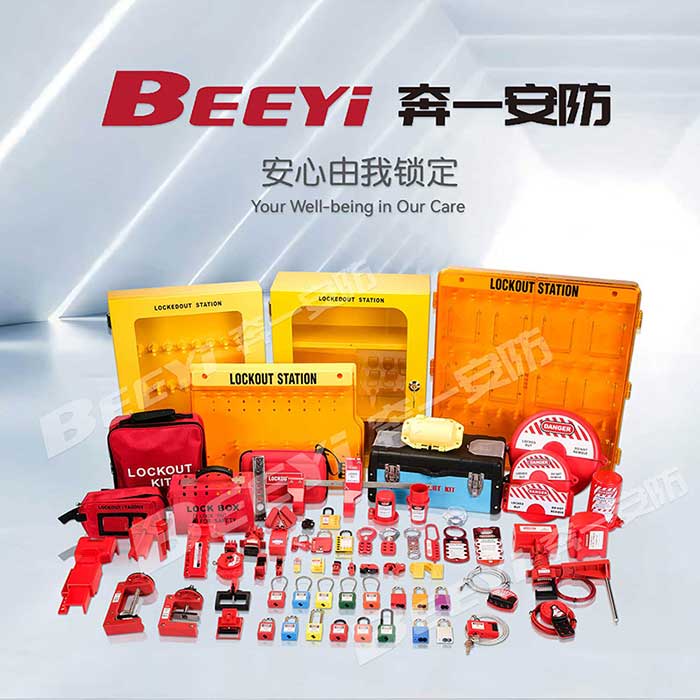
In the construction industry, safety is a paramount concern, and the management of hazardous equipment is critical to ensuring the well-being of workers. One vital aspect of this safety management is the proper utilization of lockout/tagout systems, particularly in scaffolding. Bulk scaffolding lockout tags suppliers play an essential role in providing these safety tools, helping organizations maintain compliance with safety regulations while safeguarding workers from potential hazards.
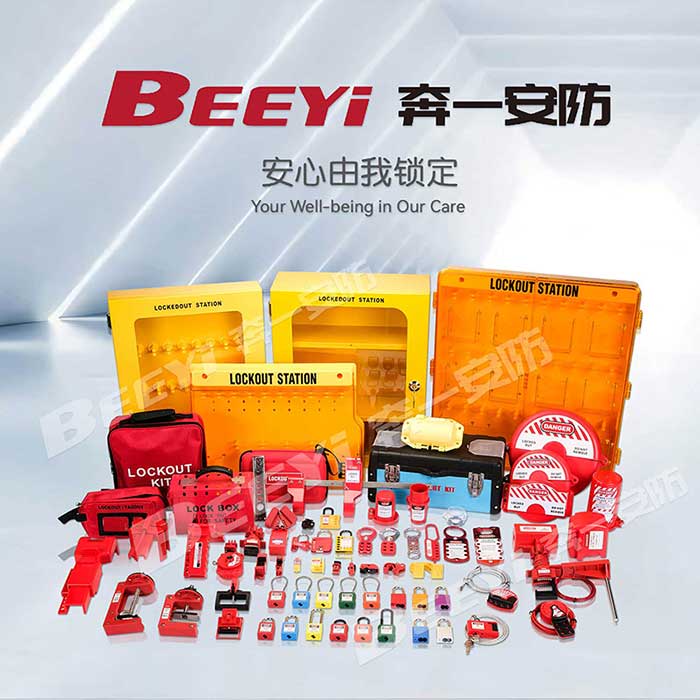
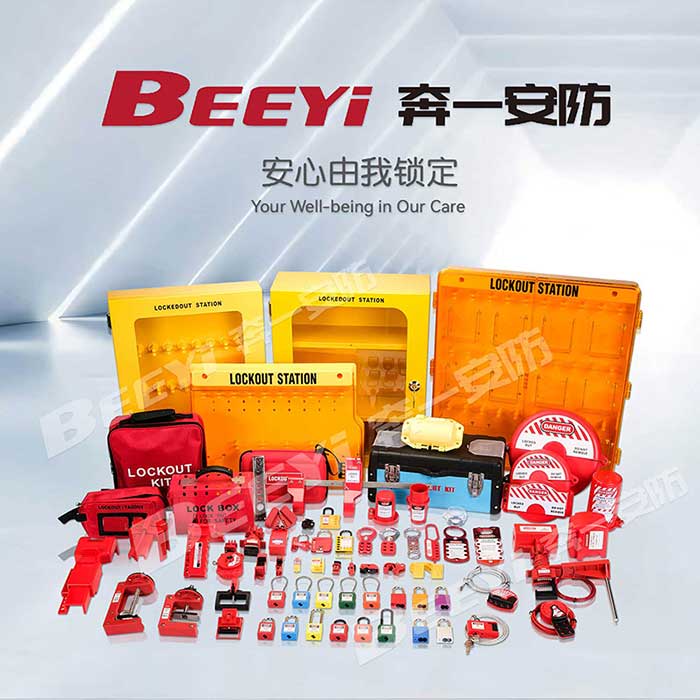
Bulk Scaffolding Lockout Tags suppliers

The Role of Lockout/Tagout Systems Lockout/tagout (LOTO) systems are procedural steps implemented primarily to ensure that machinery and equipment are shut down and inoperable during maintenance or repair work. The lockout tag serves as a visual reminder that the equipment must not be operated. In the context of scaffolding, these tags ensure that the scaffolding is safe for use before workers ascend or perform tasks at height. Importance of Bulk Scaffolding Lockout Tags Enhancing Safety Compliance: Bulk scaffolding lockout tags are essential for compliance with safety regulations set forth by organizations like OSHA (Occupational Safety and Health Administration). These tags serve as an easily recognizable warning that equipment is not to be used, thereby preventing accidental injuries or fatalities.
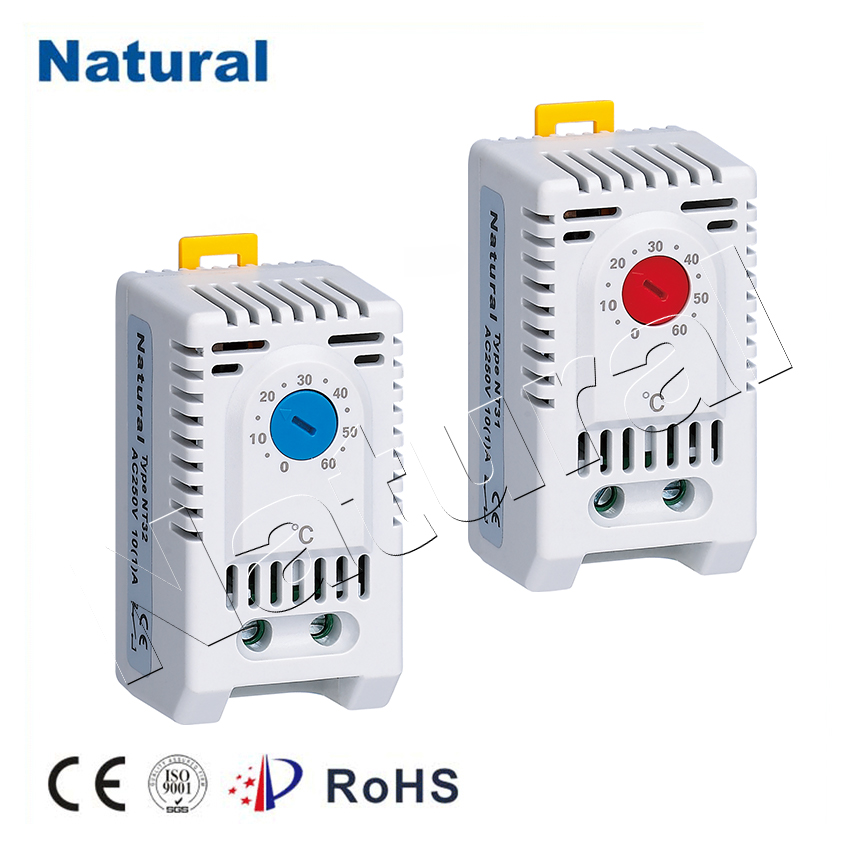
understanding din rail thermostats: features, applications, and benefits

In modern industrial and commercial settings, temperature control is a crucial aspect of maintaining operational efficiency, safety, and product quality. One of the effective tools used for temperature regulation is the DIN rail thermostat. This article delves into the significance of DIN rail thermostats, exploring their features, applications, and benefits, ultimately demonstrating their importance in various industries.

What is a DIN Rail Thermostat?

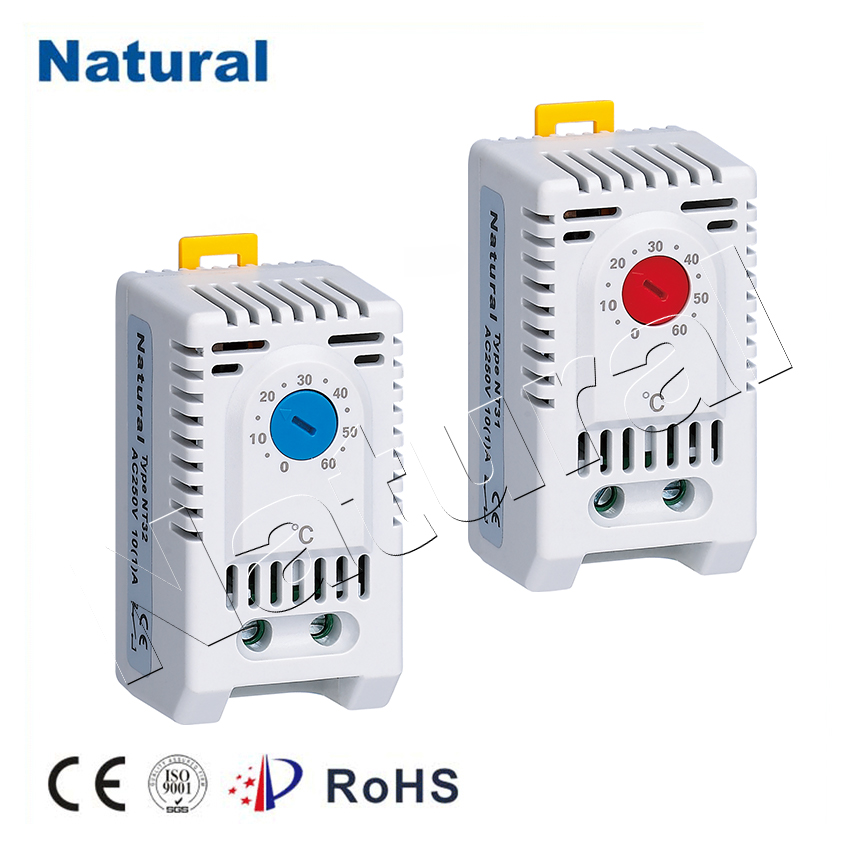
A DIN rail thermostat is a temperature control device specifically designed to be mounted on DIN rails, which are standardized metal rails used for mounting electrical components in enclosures. These thermostats are widely employed in electrical control panels and automation systems. They provide precise temperature regulation by activating or deactivating heating or cooling devices based on the set temperature parameters. Key Features of DIN Rail Thermostats 1.Compact Design DIN rail thermostats are designed to be compact, allowing them to fit into tight spaces within electrical panels. This space-saving feature is particularly beneficial in environments where multiple components must be installed in limited areas.

din rail thermostat

the rise of china water system plastic valve manufacturers

In recent years, China has emerged as a key player in the global market for plastic valves, particularly in the context of the water system industry. As urbanization accelerates and infrastructure projects blossom across the country, the demand for reliable and efficient water management solutions has surged. This boom in demand has led to the rapid expansion of China water system plastic valve manufacturers, who are now known for their innovative products, advanced technology, and competitive pricing.

China Water System Plastic Valve Manufacturers

The Market Landscape China’s water system plastic valve manufacturers operate in a vibrant market driven by various factors, including increased focus on environmental sustainability, advancements in materials science, and a push for modernized water management systems. The government’s initiatives to upgrade water supply and drainage systems have fueled this growth, enabling manufacturers to expand their product lines and enhance their capabilities. Plastic valves are gaining popularity in numerous applications due to their inherent advantages over traditional metal valves. These advantages include corrosion resistance, lightweight construction, ease of installation, and cost-effectiveness. With China’s diverse industrial landscape, including agriculture, chemical processing, and municipal water supply, the demand for plastic valves has never been higher.

exploring the china safety cable lock factory: manufacturing excellence and innovation

In recent years, the demand for safety and security products has surged globally, with cable locks being a popular choice for securing bicycles, motorcycles, and various valuable items. Among the leaders in this manufacturing sector is the China Safety Cable Lock Factory, renowned for its commitment to quality, innovation, and customer satisfaction. This article delves into the operations, technologies, and market impact of such factories in China, revealing what makes them a vital part of the global security landscape.

China Safety Cable Lock factory

Manufacturing Process and Technologies The manufacturing process at a typical China Safety Cable Lock Factory often begins with the selection of high-quality materials. The cables are usually made from tough, durable steel, offering resilience against cutting and tampering. These factories employ advanced machinery that allows for precision manufacturing. From the cutting of steel cables to the molding of lock mechanisms, each step is meticulously controlled to ensure that the final product meets international safety standards. In terms of technology, many factories have adopted automation to enhance efficiency. Robotic arms may be used for assembly tasks, minimizing human error and speeding up production. This not only reduces costs but also ensures uniform quality across thousands of units. Additionally, some factories utilize laser engraving for branding and product information, providing a professional finish that appeals to consumers.

understanding the private label safety valve lock factory: ensuring safety and compliance

In today’s industrial and manufacturing landscapes, safety is paramount. As businesses strive to maintain high safety standards, the role of specialized equipment becomes increasingly important. Among these, safety valve locks emerge as essential tools designed to prevent unauthorized access to valves, mitigating the risks of accidents and ensuring compliance with safety regulations. At the heart of this vital industry lies the Private Label Safety Valve Lock factory, a key player in providing customized solutions tailored to the specific needs of various sectors.

Private label Safety Valve Lock factory

What is a Private Label Safety Valve Lock Factory? A Private Label Safety Valve Lock factory specializes in the manufacturing and customization of safety valve locks. These locks are designed to secure valves in a variety of settings, from oil rigs to factories and chemical plants. The term “private label” refers to products manufactured by one company that are packaged and sold under another company’s brand name. This allows businesses to offer high-quality safety solutions without the need for extensive development and manufacturing resources. Importance of Safety Valve Locks Safety valve locks serve a crucial function in industrial operations. They are used to prevent accidental or unauthorized operation of valves that control hazardous substances such as chemicals, gases, and steam. By locking these valves, organizations can:

understanding lototo locks: ensuring safety in industrial environments

In the fast-paced world of industrial work, safety is paramount. One of the most crucial practices that ensure a safe working environment is the implementation of Lockout/Tagout (LOTO) procedures, commonly referred to in some contexts as Lototo locks. These locks are essential tools designed to prevent the accidental startup of machinery and the release of hazardous energy during maintenance or repair work. This article delves into the significance, components, implementation, and legal implications of Lototo locks, highlighting their role in safeguarding employees’ health and well-being.

lototo locks

The Importance of Lototo Locks Lototo locks play a pivotal role in protecting workers from the dangers associated with machinery maintenance. In industrial settings, machines often contain high levels of energy, whether electrical, hydraulic, pneumatic, or thermal. If these machines are not properly shut down and isolated, there is a significant risk of unexpected startups or energy release during maintenance activities. Accidents can lead to severe injuries, even fatalities. Therefore, the successful implementation of Lototo procedures can significantly reduce these risks. Key Components of Lototo Procedures

relay application notes: a comprehensive guide to understanding and implementing relays in electronic circuits

Relays are essential components in modern electronic systems, playing a critical role in switching and controlling high-power circuits with low-power control signals. The “Relay Application Notes” provide valuable insights into the proper selection, installation, and usage of relays in various applications. This article explores the fundamental concepts behind relays, their types, and practical advice for integrating them into real-world electronic systems.

Relay application notes

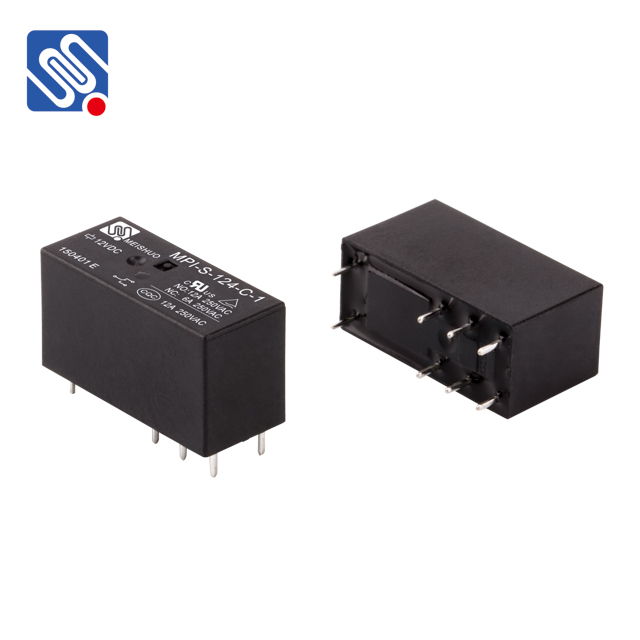
Understanding the Basics of Relays A relay is an electrically operated switch that uses a low voltage signal to control a high voltage or high current circuit. At its core, a relay consists of three main components: the coil, which is energized to create a magnetic field; the contacts, which open or close depending on the coil’s current; and the spring mechanism that resets the contacts when the coil is de-energized. The most common use of a relay is to isolate control circuits from power circuits, allowing a small, low-power signal to control larger, potentially dangerous electrical loads.

exploring the role of the china electrical equipment lockouts factory in ensuring workplace safety

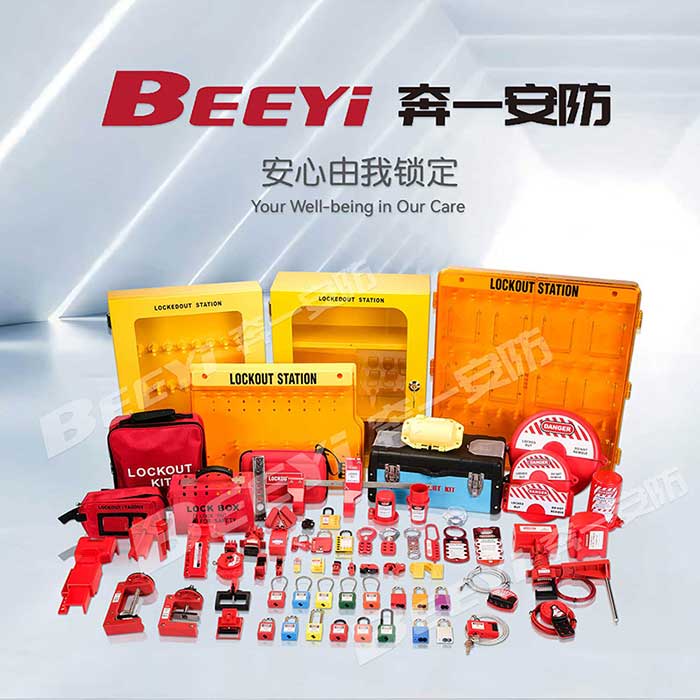
In today’s industrial world, workplace safety is of paramount importance, particularly in environments that handle electrical equipment. One of the key components of workplace safety protocols is the Lockout/Tagout (LOTO) system, designed to prevent the accidental energization or starting of machinery during maintenance and repair work. The China Electrical Equipment Lockouts Factory plays a crucial role in this safety landscape, providing essential products that safeguard workers and maintain the integrity of operations.

China Electrical Equipment Lockouts factory

Understanding Lockout/Tagout (LOTO) Lockout/Tagout refers to a set of safety procedures aimed at ensuring that machines and equipment are properly shut off and not able to be started again until maintenance or servicing is complete. The LOTO procedures typically involve locking out energy sources through physical means, like locks and tags that warn employees of the potential hazards associated with unintentional machine start-up. The necessity for a robust LOTO system cannot be overstated. The Bureau of Labor Statistics (BLS) reports that workplace accidents in the manufacturing and construction sectors often involve electrical hazards, leading to serious injuries or fatalities. The implementation of an effective LOTO program can significantly reduce these risks and contribute to an overall culture of safety within organizations.

china electric anti-corrosion ball valve manufacturer: pioneering the future of fluid control solutions

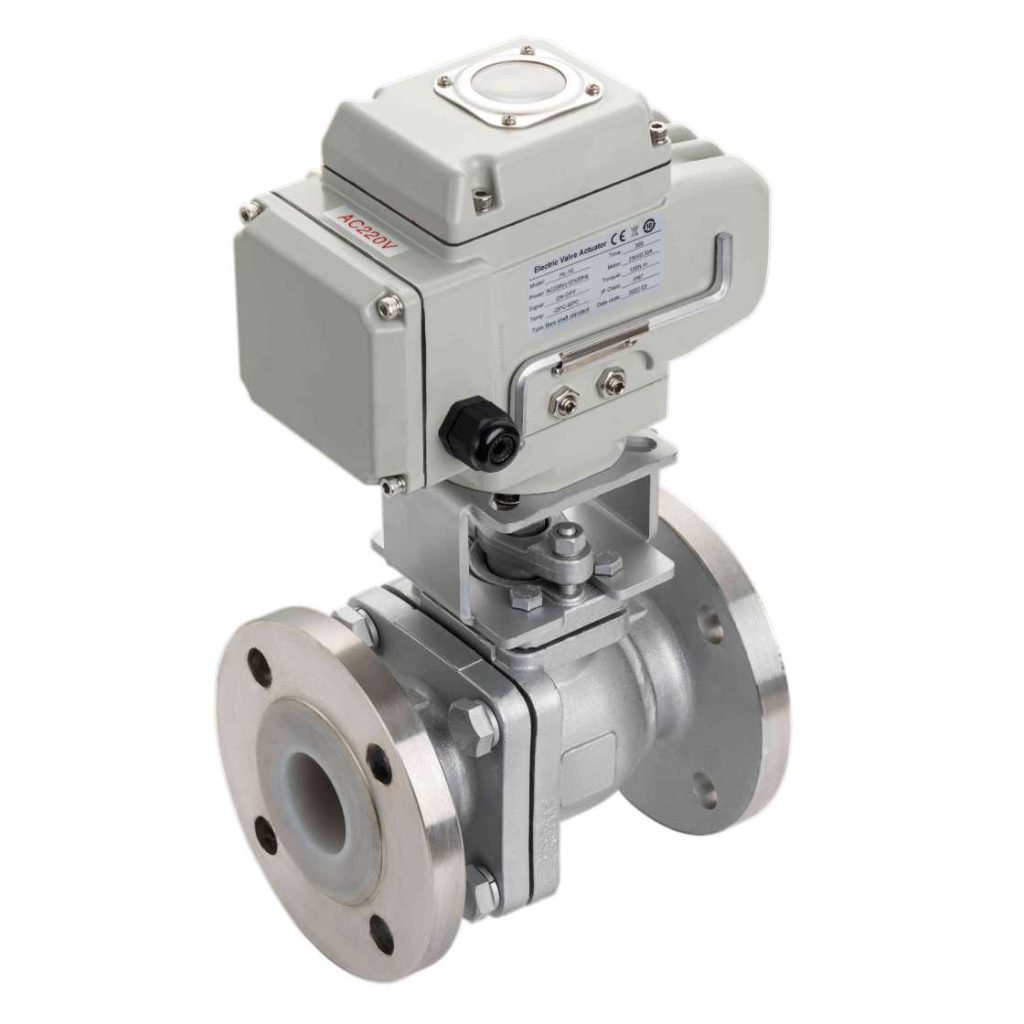
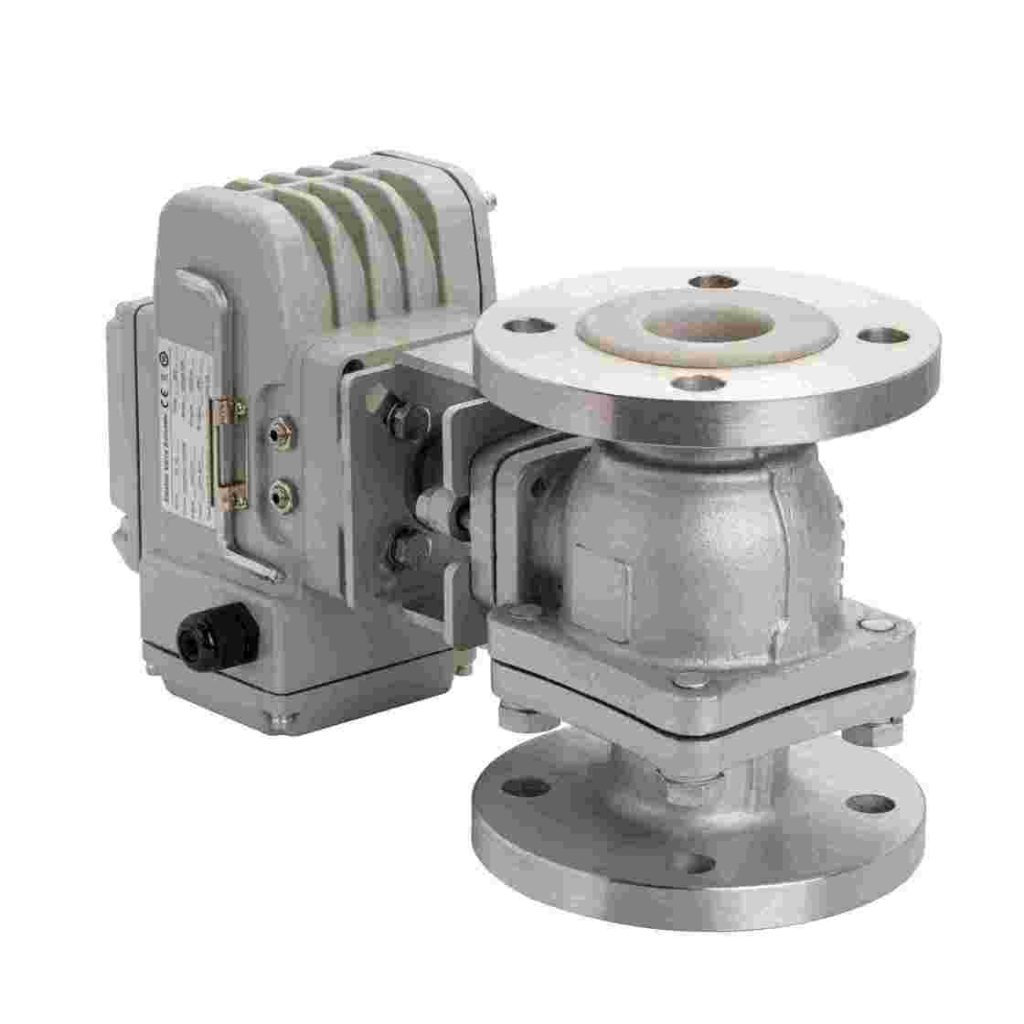
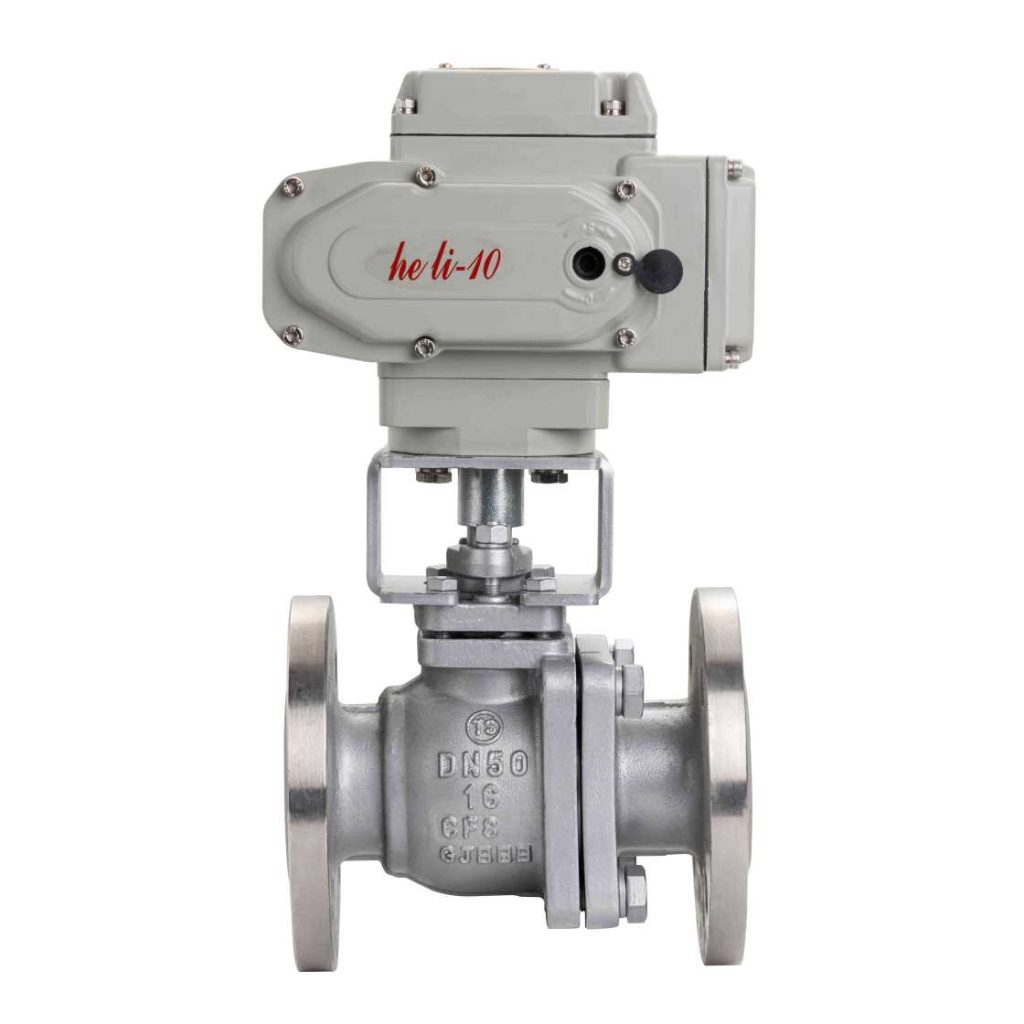
In today’s industrial landscape, the need for robust, reliable, and efficient valve systems is more critical than ever, especially in sectors such as oil and gas, chemicals, water treatment, and marine industries. One of the most important innovations in fluid control systems is the electric anti-corrosion ball valve, which combines the durability of ball valves with the precision of electric actuation. As industries evolve and require higher levels of automation, the role of manufacturers specializing in electric anti-corrosion ball valves in China has become increasingly significant.

The Rising Demand for Electric Anti-Corrosion Ball Valves

china Electric anti-corrosion ball valve manufacturer

Electric anti-corrosion ball valves are designed to manage the flow of fluids, gases, or slurries with a high degree of accuracy while resisting the deteriorating effects of corrosion. These valves are particularly essential in industries where aggressive chemicals, seawater, or other corrosive materials are present. The key to their success lies in their ability to withstand harsh environments while ensuring seamless operation. In industries like petrochemical processing, pharmaceuticals, power generation, and water treatment, corrosion-resistant materials are crucial for maintaining the integrity of piping systems and preventing costly maintenance and downtime. This has led to the increasing demand for electric anti-corrosion ball valves, especially in industries that operate under high pressure and temperature conditions.

china plastic water solenoid valve supplier manufacturers: leading the way in quality and innovation

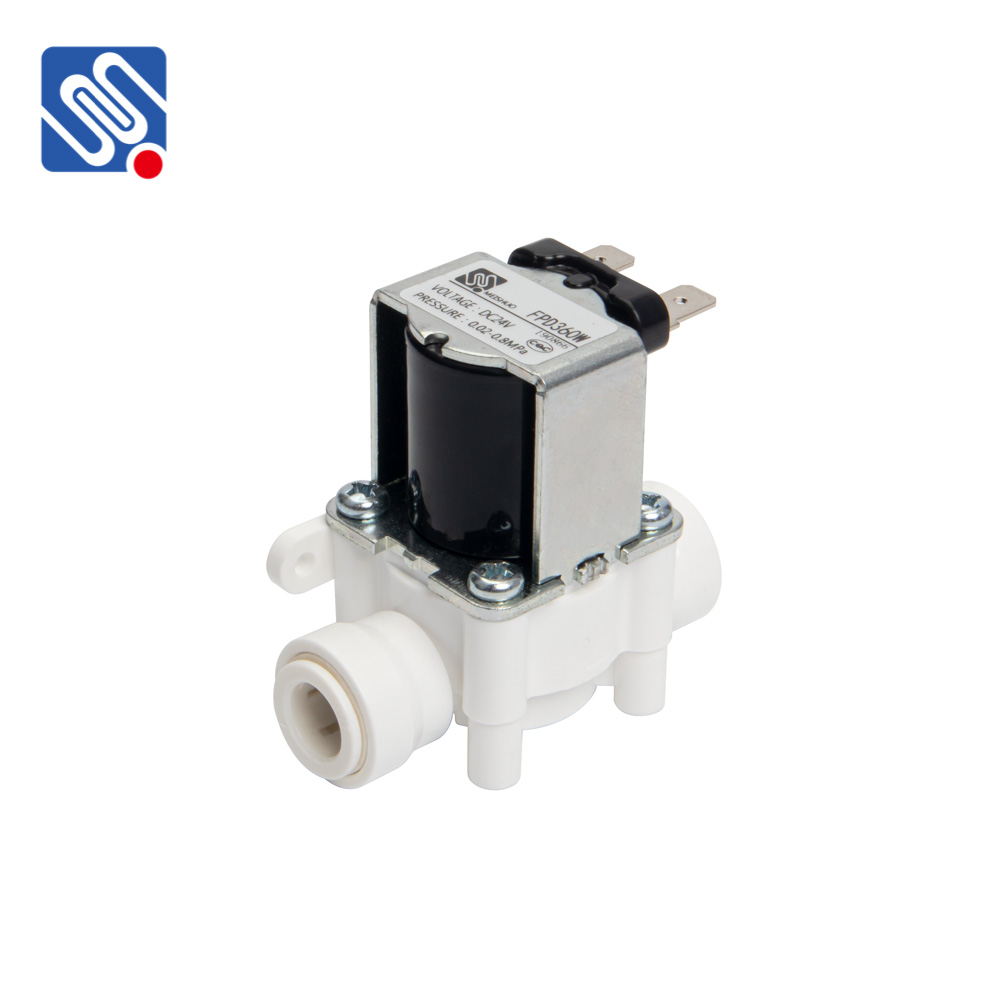
China has become a global leader in manufacturing, and the plastic water solenoid valve industry is no exception. The demand for efficient water flow control systems has led to an increase in the number of China Plastic Water Solenoid Valve Supplier Manufacturers. These manufacturers are crucial players in industries ranging from agriculture and industrial automation to domestic water systems. This article delves into the role of these suppliers and what makes them a preferred choice for customers worldwide.

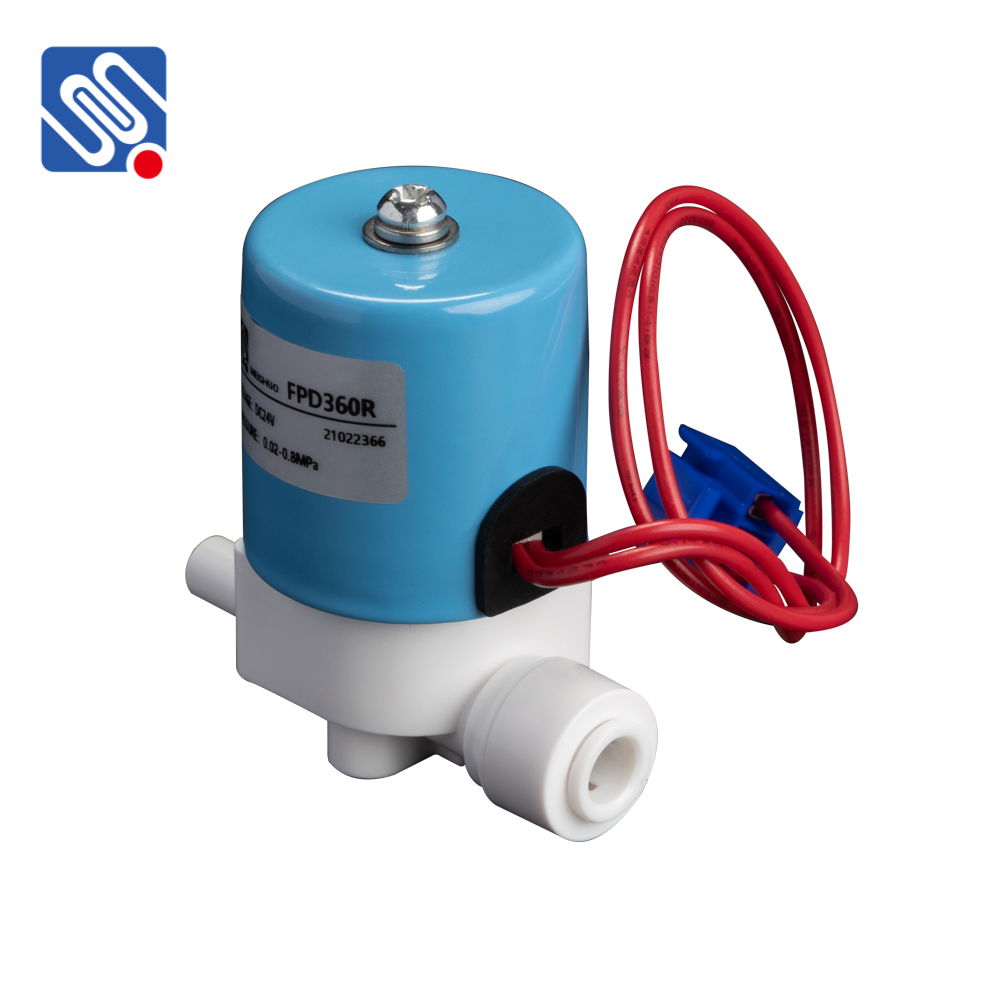
China Plastic Water Solenoid Valve Supplier Manufacturers

What Are Plastic Water Solenoid Valves? A solenoid valve is an electromechanically operated valve that controls the flow of water or other fluids in a system. The “plastic” in plastic water solenoid valves refers to the material used for the valve body, which is typically made from durable, corrosion-resistant plastic materials such as PVC, PP, or POM. These valves are designed for use in various applications, including water treatment, irrigation systems, and household water management. Plastic water solenoid valves offer numerous advantages, such as low weight, cost-effectiveness, and resistance to chemicals and corrosive environments. These benefits make them ideal for controlling the flow of water in various environments without the risk of degradation that might occur with metal valves.