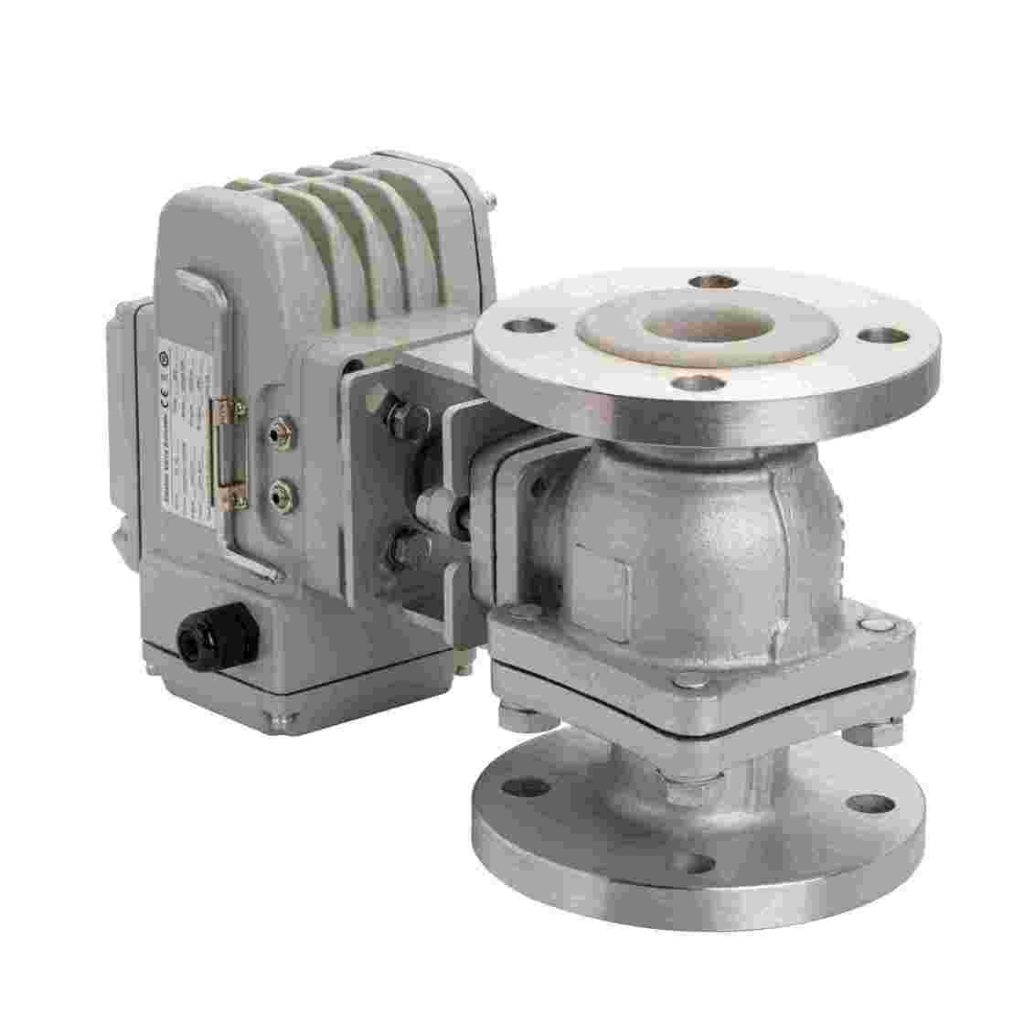
Electric flange ball valves are integral components in various industrial processes, providing efficient control over the flow of fluids. The combination of a ball valve’s functionality with an electric actuator creates a robust solution for managing fluid systems in numerous applications, including oil and gas, chemical processing, and water treatment. This article will explore the mechanisms, advantages, and typical applications of electric flange ball valves, highlighting their importance in modern industrial operations.
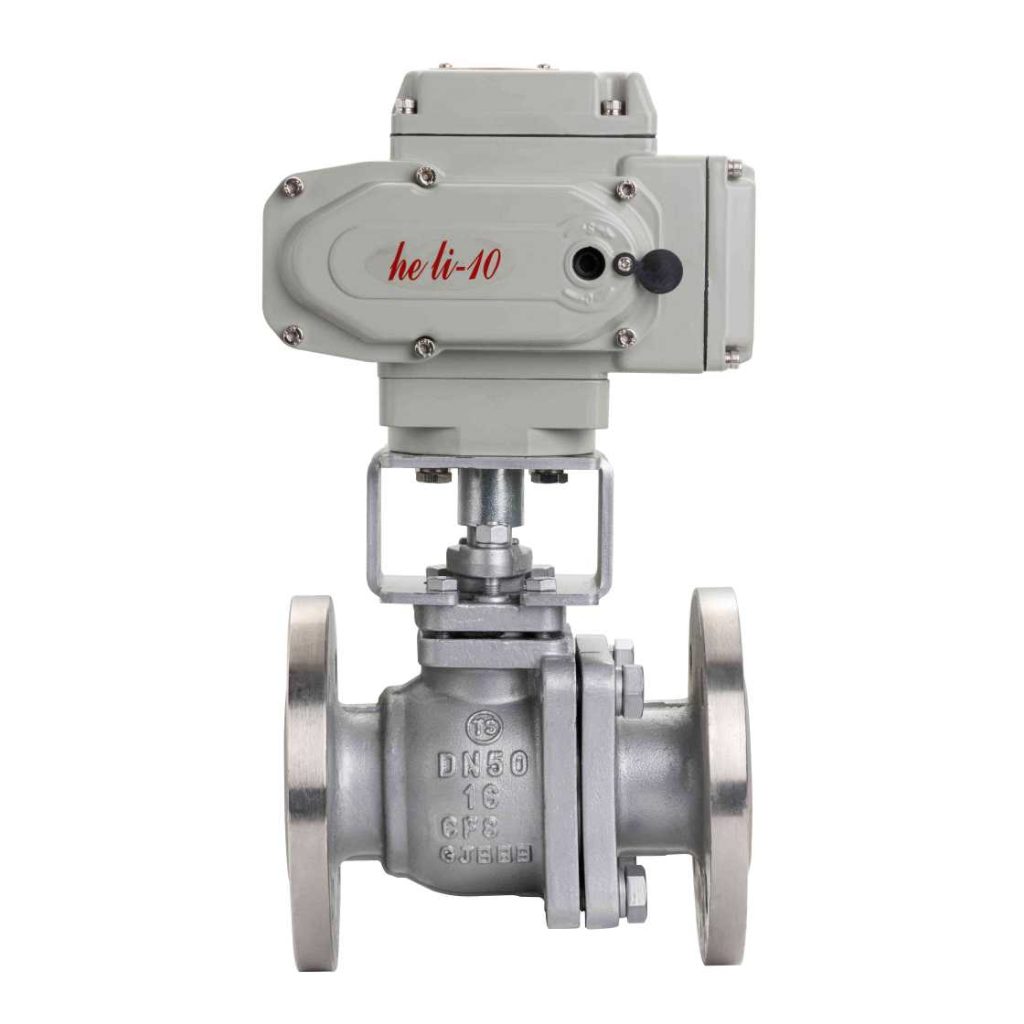
Mechanism of Electric Flange Ball Valves
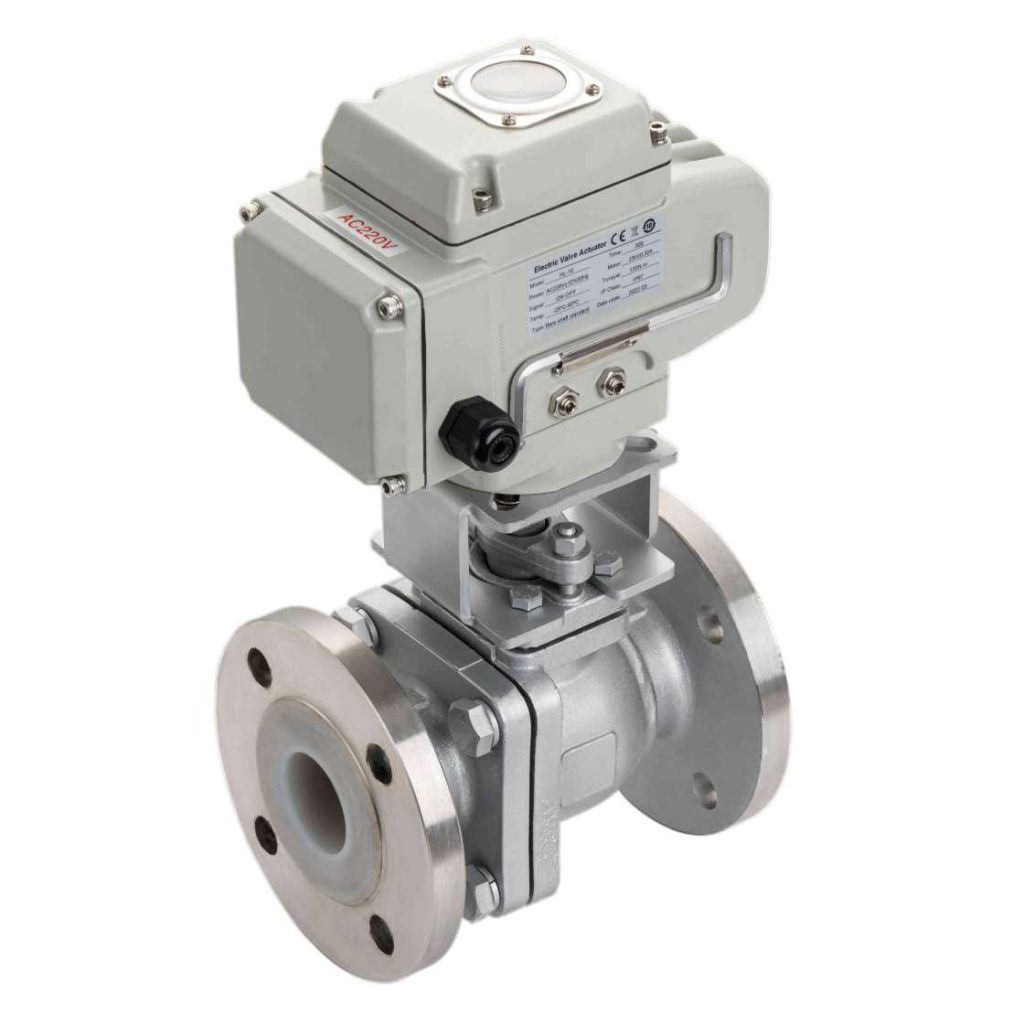
Electric flange ball valves incorporate a cylindrical ball with a circular hole, or bore, in the center that allows flow when aligned with the pipeline. The valve’s operation is simple yet effective; by rotating the ball a quarter turn, it can either open or close the fluid passage. The electric actuator plays a vital role in this mechanism. It consists of an electric motor that can be controlled remotely, allowing for precise and automated manipulation of the valve position. The design of electric flange ball valves often includes a flange connection at both ends, enabling easy integration into piping systems with matching flanges. This design not only facilitates straightforward installation but also ensures a secure and leak-proof connection, essential for safety in high-pressure applications.