AG Alloy Contact Relays are vital components in modern electrical systems, offering significant advantages in terms of durability, performance, and reliability. These relays are designed with specialized alloy contacts, making them ideal for a wide range of applications, particularly in environments where high current handling and frequent switching are required. This article will explore the key features, applications, and benefits of AG Alloy Contact Relays, shedding light on their importance in industrial, automotive, and automation sectors.
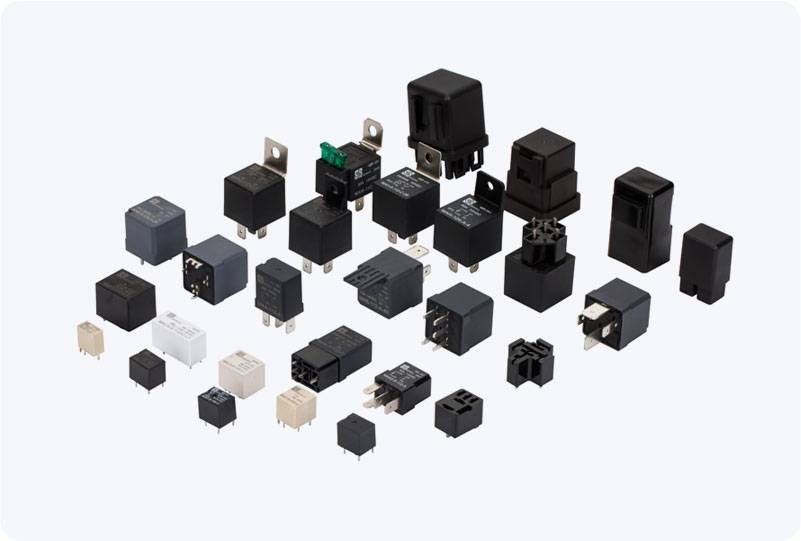
Understanding AG Alloy Contact Relays A relay is an electrically operated switch that allows a circuit to be controlled by a low-power signal, providing isolation between the control and power circuits. The effectiveness of a relay largely depends on the quality of its contacts, as these are the parts responsible for making or breaking electrical connections. In the case of AG Alloy Contact Relays, the contacts are made from a specially formulated alloy, often a combination of silver and other metals like nickel, palladium, or copper. These alloys are carefully chosen for their ability to withstand high currents, high voltages, and frequent operation without suffering from degradation or excessive wear.