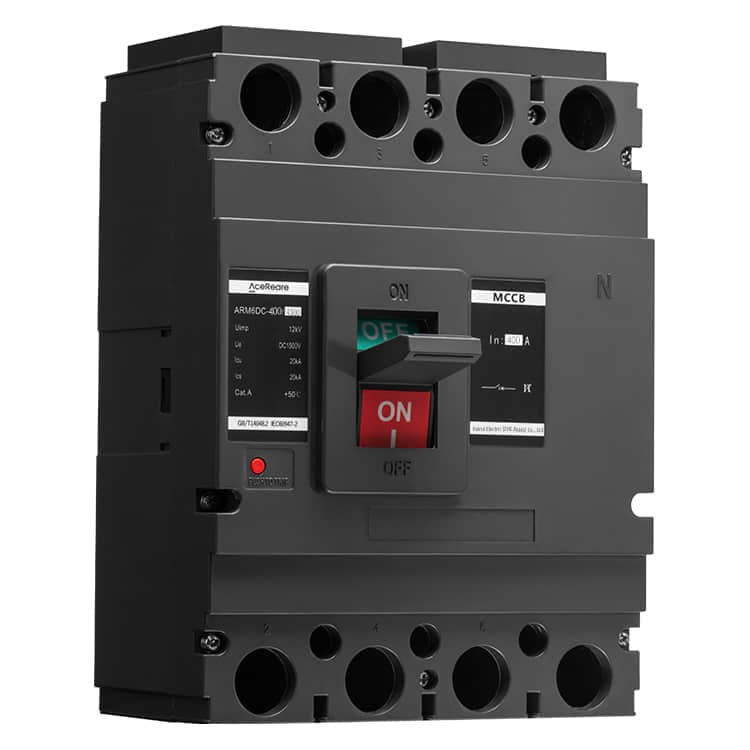
In recent years, the world has witnessed a remarkable surge in the adoption of renewable energy sources, with photovoltaic (PV) systems leading the way in the realm of solar power generation. This renewable energy transition has spurred innovative developments across various components of PV systems, and one notable advancement is the Photovoltaic Molded Case Circuit Breaker (PV-MCCB). This article delves into the significance and benefits of PV-MCCBs in enhancing the safety and efficiency of solar power installations.
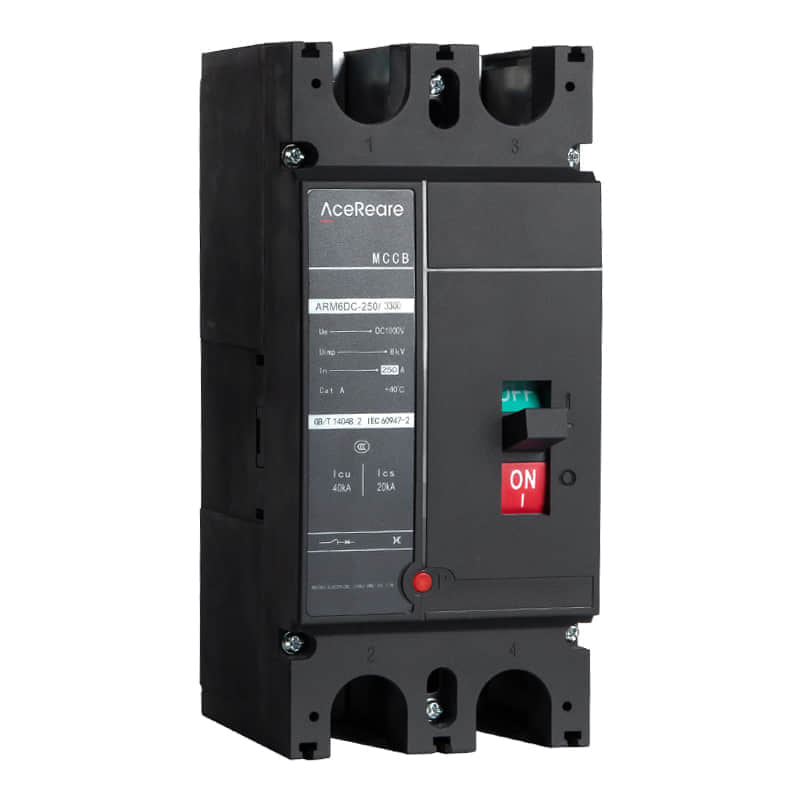
Introduction to Photovoltaic MCCBs
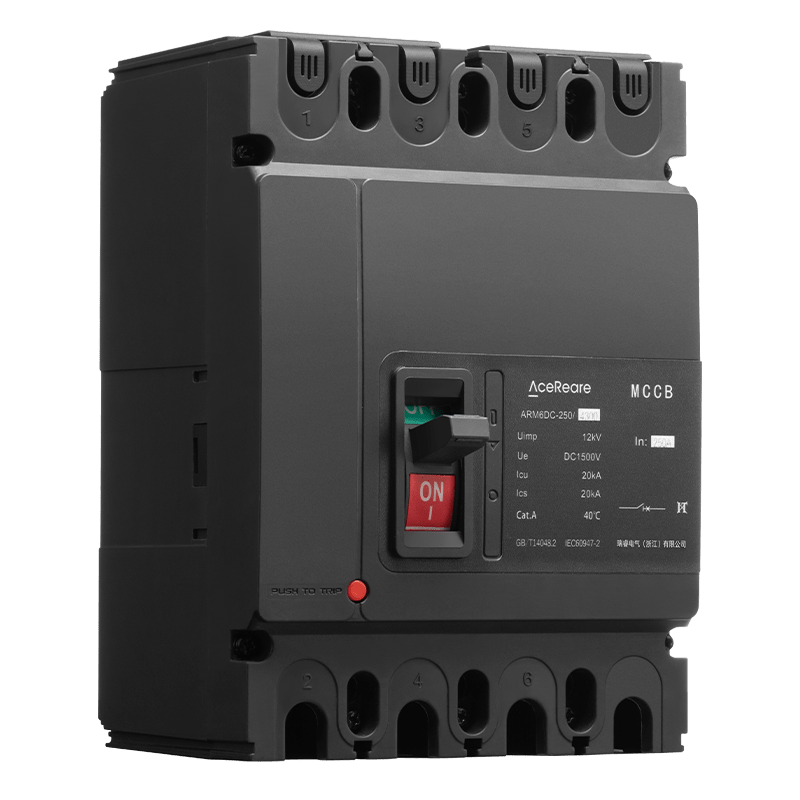
Molded Case Circuit Breakers (MCCBs) have been a cornerstone of electrical protection for decades, serving to safeguard electrical circuits and equipment from overcurrents and short circuits. The integration of photovoltaic systems into power grids necessitated the evolution of circuit protection mechanisms to cater to the unique characteristics of solar installations. PV-MCCBs are designed to specifically address the challenges posed by PV systems, combining the essential functions of traditional MCCBs with features tailored for solar applications. Enhanced Safety and Protection Safety is paramount in any electrical system, and PV installations are no exception. PV-MCCBs offer enhanced protection through features such as arc fault detection, which helps mitigate the risks of electrical fires caused by arcing faults. These breakers can rapidly detect irregularities in current flow and respond by interrupting the circuit, preventing the escalation of faults. This is especially critical in PV systems where arrays of solar panels are exposed to various environmental conditions that could compromise their integrity. Optimized Performance PV-MCCBs are designed to handle the unique characteristics of solar panels and inverters. The advanced thermal management systems in these breakers ensure optimal performance even under high-temperature conditions, which are often encountered in solar installations. By maintaining consistent circuit protection capabilities in challenging environments, PV-MCCBs contribute to the overall efficiency and longevity of the PV system. Integration of Communication and Monitoring The digital transformation sweeping across industries has also impacted PV-MCCBs. Modern PV-MCCBs are equipped with communication and monitoring capabilities, allowing real-time data collection and remote control. This means that operators and maintenance personnel can monitor the status of the circuit breaker, receive alerts for potential issues, and remotely disconnect circuits if needed. This not only enhances operational efficiency but also facilitates predictive maintenance, reducing downtime and enhancing system reliability. Compatibility and Adaptability Photovoltaic MCCBs are designed with compatibility in mind, ensuring seamless integration into existing solar power installations. They are available in a range of current ratings to accommodate different system sizes, and their modular designs facilitate easy installation and replacement. This adaptability is particularly advantageous in the dynamic field of renewable energy, where system configurations can evolve over time. Conclusion As solar power continues to gain prominence in the global energy landscape, the evolution of protection mechanisms like Photovoltaic Molded Case Circuit Breakers becomes pivotal. These advanced circuit breakers not only provide robust electrical protection but also address the unique challenges posed by PV systems. With enhanced safety features, optimized performance, digital integration, and adaptability, PV-MCCBs are poised to play a crucial role in shaping the future of solar energy. As technology continues to advance, we can anticipate even more sophisticated and efficient circuit protection solutions that further elevate the reliability and efficiency of photovoltaic systems.