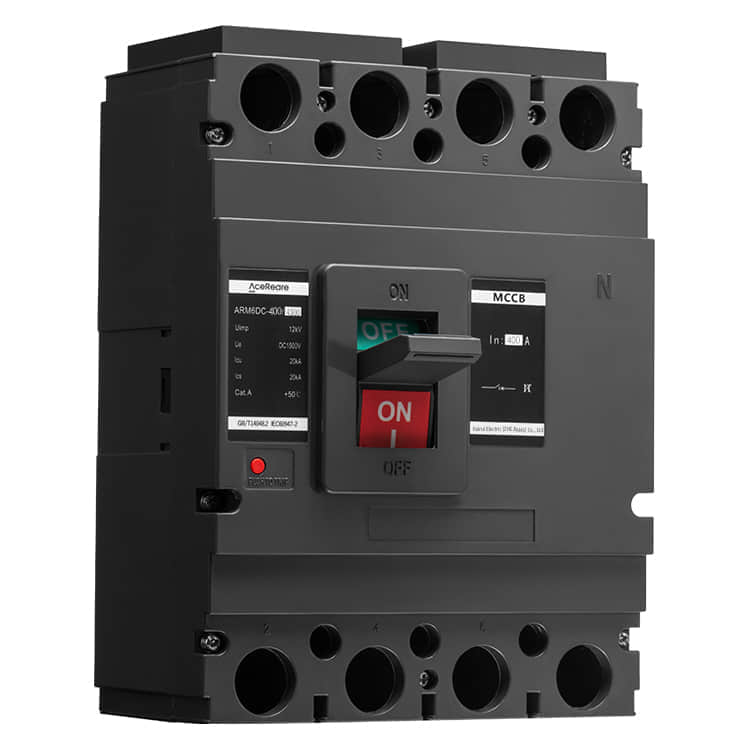
Renewable energy sources have gained significant traction in recent years due to the growing concerns about climate change and the limited availability of traditional fossil fuels. Solar energy, in particular, has emerged as a key player in the transition to more sustainable energy production. As photovoltaic (PV) systems become more commonplace, ensuring their safety and efficiency is paramount. One crucial component in this regard is the Photovoltaic Molded Case Circuit Breaker (PV MCCB), which plays a pivotal role in safeguarding PV installations. This article explores the importance and advancements of PV MCCBs in solar energy systems.
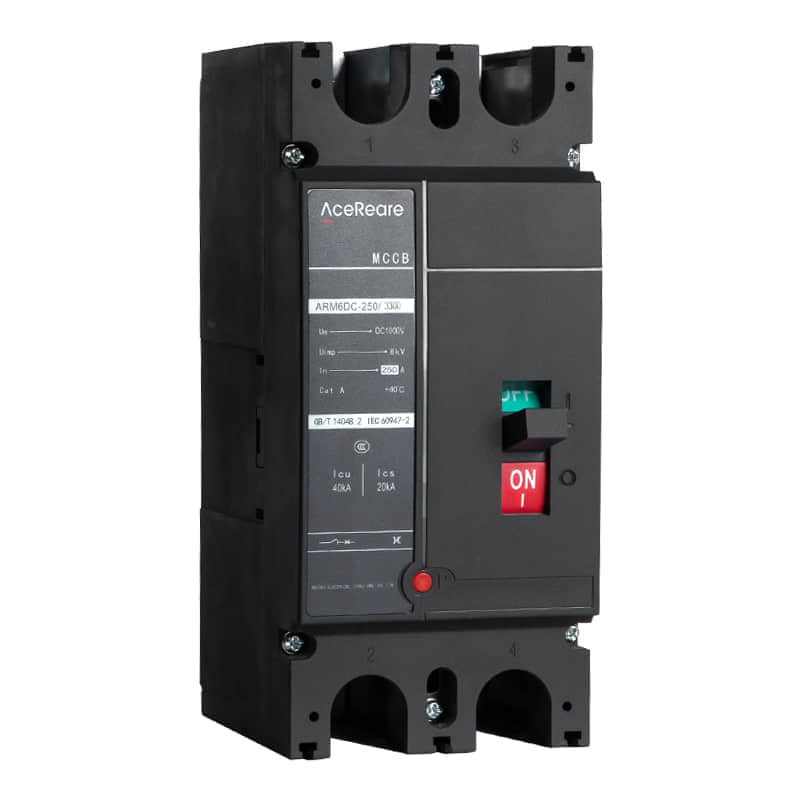
The Role of Photovoltaic Molded Case Circuit Breakers:
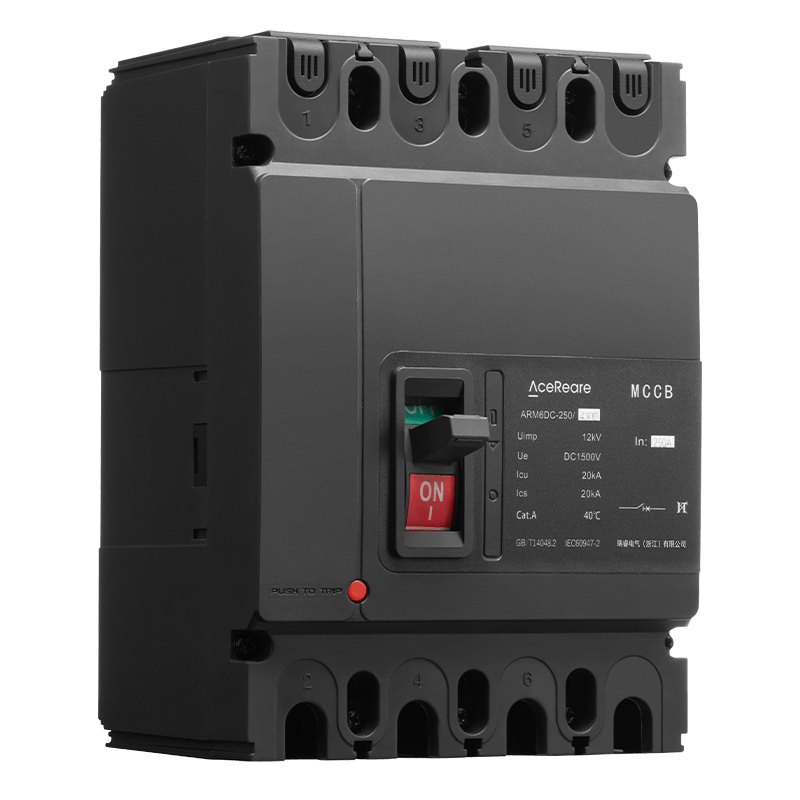
A Photovoltaic Molded Case Circuit Breaker is an electrical device designed to protect PV systems from overcurrent and short-circuit faults. These faults can arise due to various reasons such as equipment malfunction, extreme weather conditions, or accidents. The PV MCCB acts as a switch that automatically disconnects the circuit in case of an abnormal current surge, thus preventing damage to the PV panels and associated components. Moreover, it ensures the safety of personnel working on the system by interrupting the flow of electricity during maintenance or repairs. Advancements in Photovoltaic Molded Case Circuit Breakers: Recent years have witnessed remarkable advancements in PV MCCB technology, driven by the need for more efficient, reliable, and durable protection mechanisms for solar installations. Higher Current Ratings:As PV systems grow in scale, the current passing through the circuits also increases. Modern PV MCCBs are designed to handle higher current ratings, accommodating the larger capacities of contemporary solar arrays. Selective Tripping:Selectivity is a critical feature in circuit protection, as it enables the precise isolation of faulty sections without disrupting the entire system. Advanced PV MCCBs offer improved selective tripping capabilities, allowing quicker fault identification and resolution. Remote Monitoring and Control:Internet of Things (IoT) integration has revolutionized many industries, and PV systems are no exception. Smart PV MCCBs can now be remotely monitored and controlled, providing real-time data on the status of the breaker. This technology enhances maintenance efficiency and reduces downtime. Enhanced Short-Circuit Protection:Short-circuit faults can lead to catastrophic consequences if not addressed promptly. Modern PV MCCBs are equipped with enhanced short-circuit protection mechanisms, swiftly detecting and isolating short-circuit faults to prevent system-wide failures. Arc Fault Detection:Arcing is a potential fire hazard in electrical systems. Advanced PV MCCBs incorporate arc fault detection technology, which identifies and mitigates arcs that might occur within the system, minimizing fire risks. Temperature and Environmental Adaptability:Solar installations are exposed to a wide range of environmental conditions. Newer PV MCCBs are designed to operate reliably in various temperatures and weather conditions, ensuring consistent protection regardless of the external factors. Compact Design:Space efficiency is a crucial consideration, especially as PV systems are often installed in limited spaces. Modern PV MCCBs come in compact designs, optimizing the utilization of available space. Conclusion: The adoption of solar energy is essential for a sustainable future, and ensuring the safety and reliability of PV systems is a key aspect of this transition. Photovoltaic Molded Case Circuit Breakers have evolved significantly to meet the demands of modern solar installations. With higher current ratings, selective tripping, remote monitoring, and enhanced protection features, these advancements contribute to the efficient and secure operation of PV systems. As technology continues to advance, PV MCCBs are likely to play an even more integral role in shaping the future of solar energy.