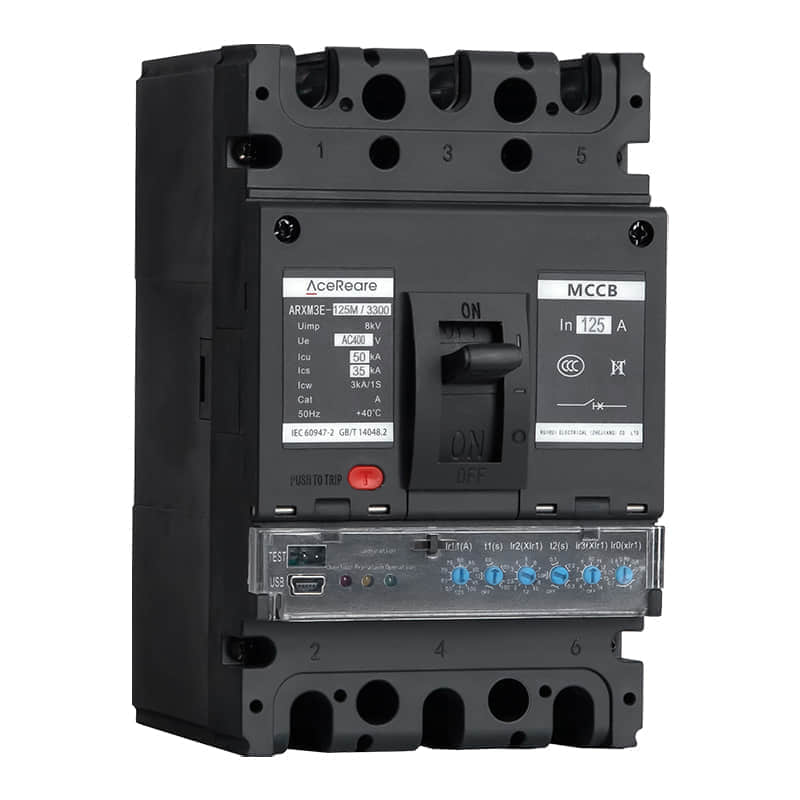
In the realm of electrical engineering and power distribution, the evolution of technology has led to remarkable innovations in the design and production of electronic molded case circuit breakers (MCCBs). These essential components play a pivotal role in safeguarding electrical systems and equipment from overloads and short circuits. As technology continues to progress, manufacturers of MCCBs are at the forefront of creating safer, more efficient, and intelligent solutions to meet the demands of modern electrical systems.
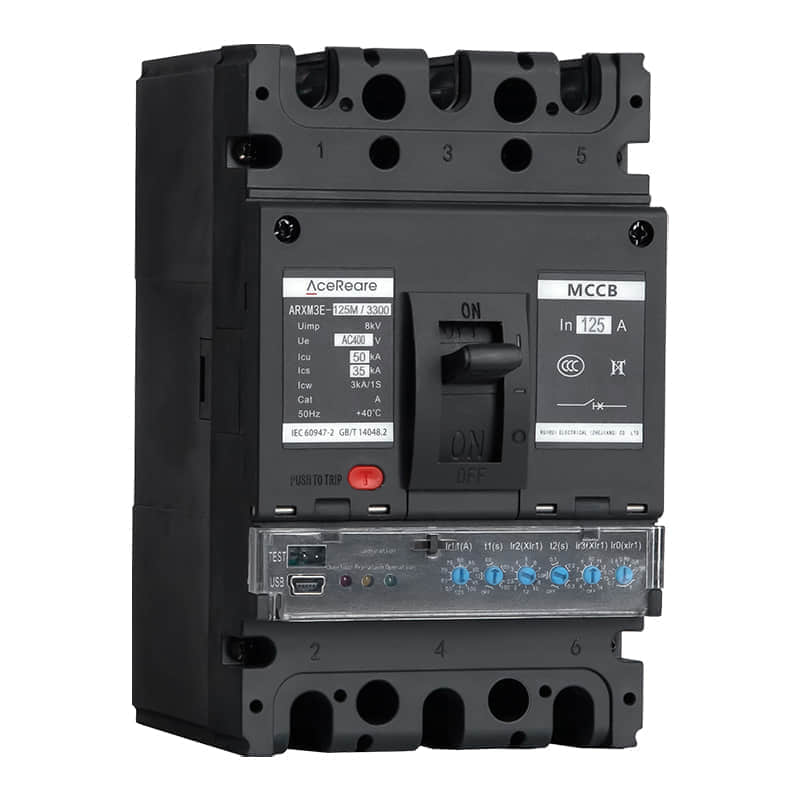
The Role of Electronic MCCBs
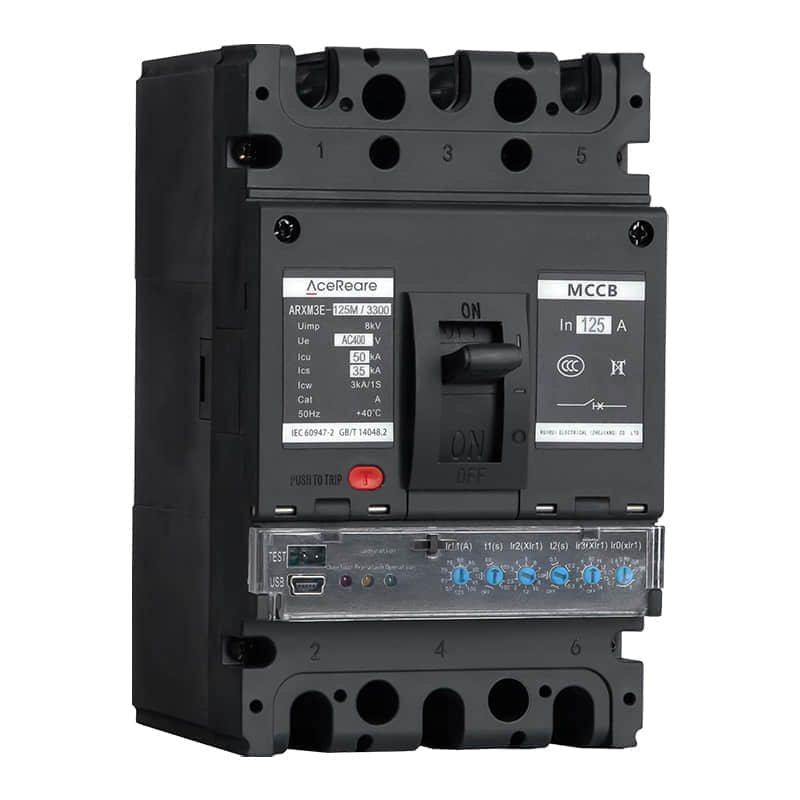
Electronic MCCBs have revolutionized the traditional circuit protection landscape by introducing advanced features that enhance both performance and safety. Unlike their mechanical counterparts, electronic MCCBs integrate digital intelligence, enabling them to respond swiftly to varying electrical conditions. Manufacturers have harnessed this digital prowess to incorporate precise tripping mechanisms, enabling MCCBs to respond more accurately to fault currents. As a result, electronic MCCBs can swiftly disconnect faulty circuits, minimizing downtime and reducing potential damage to critical equipment. Innovative Trip Unit Technology The heart of an electronic MCCB lies in its trip unit. Manufacturers have relentlessly pursued innovations in trip unit technology to improve accuracy and responsiveness. Advanced trip units can now monitor a range of electrical parameters such as current, voltage, and temperature. This real-time data allows the MCCBs to adapt their tripping characteristics dynamically, ensuring optimal protection under diverse operating conditions. Furthermore, communication capabilities have been integrated into electronic MCCBs, enabling them to be part of sophisticated smart grid systems. These MCCBs can exchange data with central control systems, providing insights into the health of the electrical network and facilitating predictive maintenance. Selective Coordination and Customization One of the challenges in power distribution is achieving selective coordination – the ability to isolate only the faulty section of a circuit during a fault while leaving the rest of the system operational. Electronic MCCBs have excelled in this regard. Manufacturers now offer a wide range of coordination options, allowing engineers to fine-tune the tripping characteristics of MCCBs to achieve selective coordination without compromising overall system reliability. Customization options have also expanded, catering to the specific needs of different industries and applications. Whether it’s an industrial manufacturing plant, a commercial building, or a data center, manufacturers provide MCCBs with tailored settings to ensure optimal protection and performance in various scenarios. Enhanced Monitoring and Diagnostics In the digital age, data is king. Electronic MCCBs are equipped with advanced monitoring and diagnostic capabilities that provide invaluable insights into the health of electrical systems. Remote monitoring tools allow maintenance teams to keep an eye on MCCB status, enabling proactive measures to be taken before issues escalate. Moreover, onboard diagnostics assist in identifying the cause of tripping events, expediting troubleshooting processes and minimizing downtime. Sustainability and Efficiency Manufacturers of electronic MCCBs are not only focused on performance but also on sustainability. Efforts to reduce the environmental impact of manufacturing processes, as well as the energy efficiency of the MCCBs themselves, are increasingly prominent. Materials are chosen with environmental considerations in mind, and energy-efficient designs help conserve power in both normal and fault conditions. Conclusion The evolution of electronic molded case circuit breakers represents a remarkable convergence of electrical engineering and digital technology. Manufacturers have embraced this synergy to produce MCCBs that offer unprecedented levels of precision, intelligence, and reliability. As our world becomes more electrified and interconnected, these advancements ensure the safety and efficiency of our electrical systems, making electronic MCCBs an indispensable cornerstone of modern infrastructure.