AC Motor Relays are vital components in the field of electrical engineering, particularly in the operation and protection of AC motors. These relays ensure the safe and efficient performance of motors by preventing damage caused by overloads, electrical faults, and other operational failures. The role of an AC Motor Relay extends far beyond simple on/off control; it acts as a safeguard, ensuring the longevity and reliability of motors, which are essential for many industrial and domestic applications. This article explores the various functions, types, and applications of AC Motor Relays, emphasizing their importance in modern electrical systems.
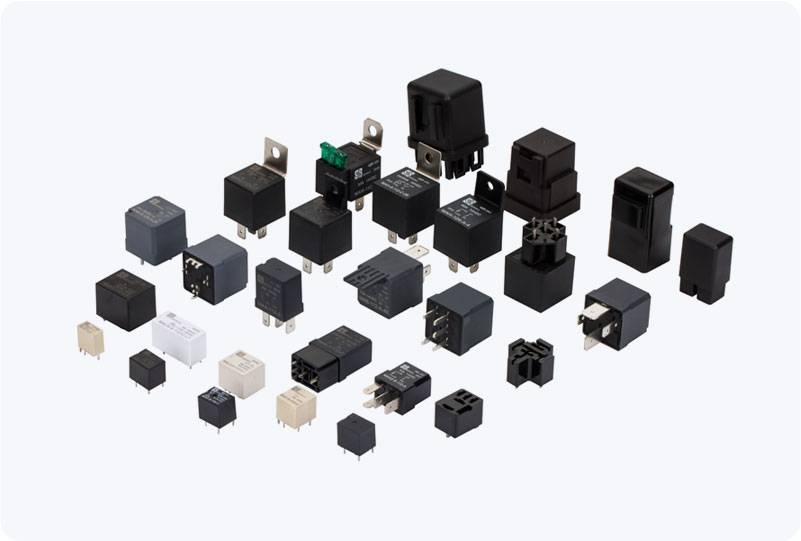
Understanding AC Motor Relay An AC Motor Relay is an electrical device designed to protect and control AC motors. It monitors the electrical conditions of the motor, such as current, voltage, and temperature, to detect abnormal conditions that could harm the motor. When a fault is detected, the relay activates to interrupt the power supply to the motor, preventing potential damage. AC Motor Relays are crucial in a wide variety of environments, ranging from large industrial machines to home appliances. Key Functions of AC Motor Relays Overload Protection: One of the primary functions of an AC Motor Relay is to protect the motor from overloads. When the current exceeds the safe operating range, the relay senses the increase in temperature or electrical current and interrupts the power supply to prevent damage. Overload protection is vital to prevent overheating, which can lead to the motor winding being burned out.