When it comes to ensuring the smooth operation of electrical and automation systems, relays play a crucial role. These small but powerful components are essential for controlling high-voltage circuits, protecting systems from overloads, and enabling automation in a wide range of applications. The process of procuring relays, however, requires careful consideration of various factors to ensure reliability, efficiency, and compatibility with the overall system. This Relay Procurement Guide aims to provide a structured approach to selecting and sourcing the right relays for different industrial and commercial needs.
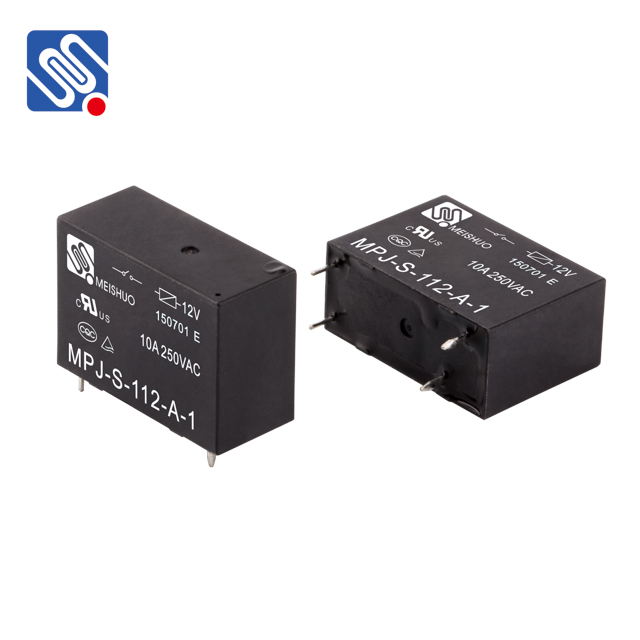
Understanding the Role of Relays in Electrical Systems A relay is an electrically operated switch that opens or closes a circuit when activated by an external signal. These components are used in countless applications, including industrial automation, telecommunication systems, and power distribution. Their main functions include controlling the flow of electricity, isolating circuits, and protecting devices from potential damage. Given their importance, selecting the right relay can significantly impact the performance, safety, and longevity of an electrical system. Types of Relays to Consider