Scaffolding is an essential part of construction projects, providing the necessary support for workers to carry out tasks at elevated heights. However, the use of scaffolding comes with inherent risks, making safety a top priority. One key aspect of scaffolding safety is the effective use of lockout tags, which serve as a warning mechanism to ensure that equipment is safely de-energized before any maintenance or repair work begins. In this article, we will explore the importance of scaffolding lockout tags, the role of suppliers, and the factors to consider when choosing a reliable supplier.
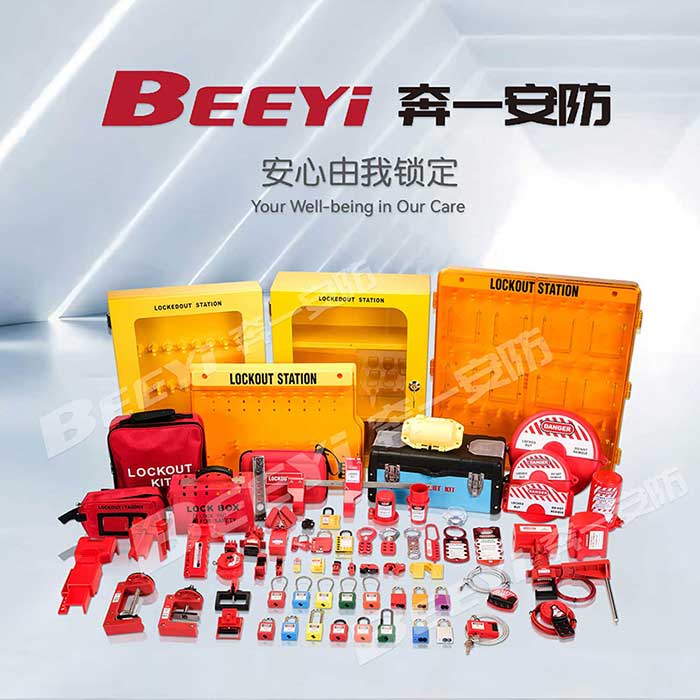
The Role of Scaffolding Lockout Tags in Safety Scaffolding lockout tags are part of a broader safety strategy known as Lockout/Tagout (LOTO), which is designed to protect workers from accidental injury during maintenance work. These tags are usually attached to scaffolding equipment, such as scaffolding platforms, ladders, or any machinery used during construction, to indicate that the equipment has been locked out for maintenance or is unsafe to use. The primary purpose of a scaffolding lockout tag is to prevent unauthorized personnel from operating or using scaffolding equipment that is being serviced or repaired. This is particularly important in construction, where many different trades are often working simultaneously, and the risks of accidental injury can be high if proper procedures are not followed. By clearly marking unsafe or off-limits equipment, lockout tags help ensure that workers are aware of potential dangers and that necessary precautions are in place.