Reverse Osmosis (RO) systems have become a standard method of water purification, utilized both in residential and industrial applications. These systems rely on membranes that allow water to pass through while filtering out impurities. A critical component in the smooth functioning of an RO system is the Reverse Osmosis Solenoid Valve, which plays a key role in controlling water flow. This article explores the function, importance, and applications of the Reverse Osmosis Solenoid Valve in water purification.
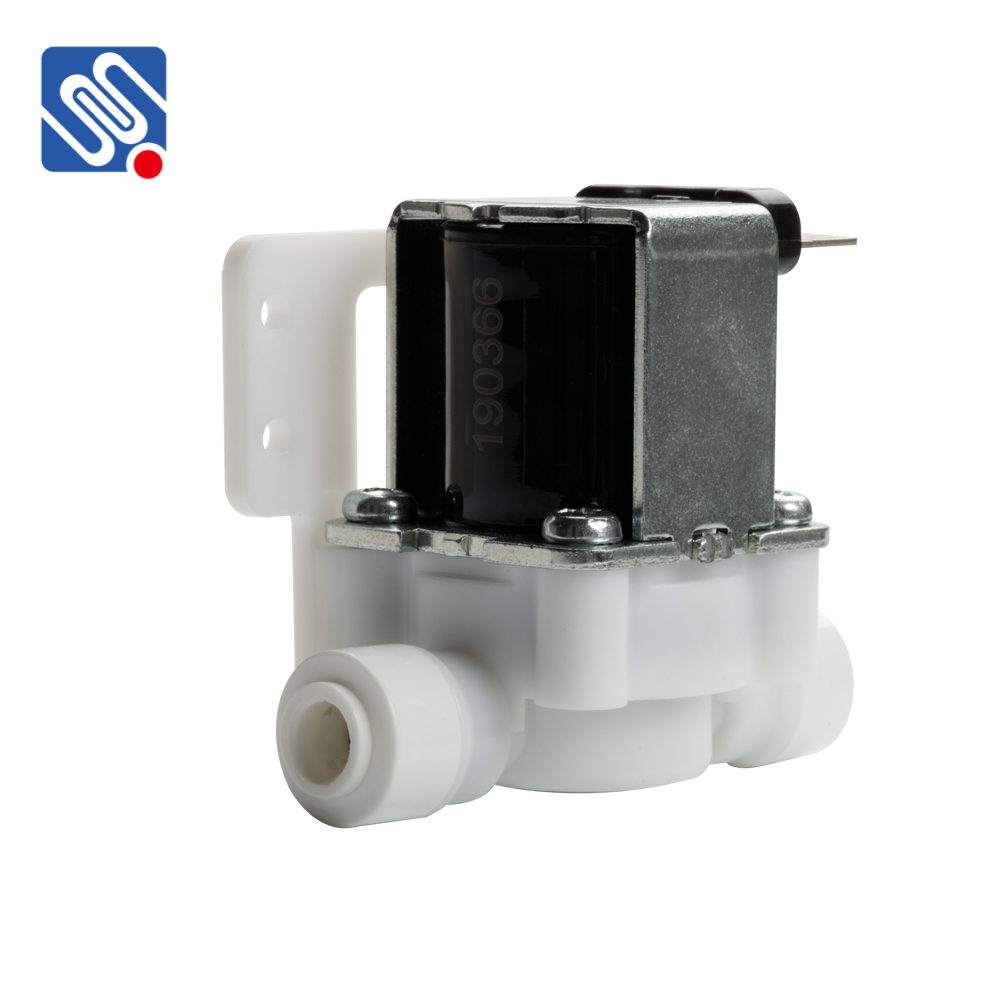
What is a Reverse Osmosis Solenoid Valve? A Reverse Osmosis Solenoid Valve is an electrically operated valve used in water filtration systems, particularly in reverse osmosis (RO) units. The solenoid valve is responsible for regulating the water flow through the system by either opening or closing based on the electrical signals it receives. This ensures that the filtration process runs efficiently, and that water is directed through the appropriate channels within the system. The solenoid valve consists of a coil, a plunger, and a spring. When electrical current flows through the coil, it creates a magnetic field that pulls the plunger, opening or closing the valve. When the electrical current is turned off, the spring pushes the plunger back to its default position, either allowing or stopping water flow.