Relays play a crucial role in modern electrical systems, offering a reliable means of controlling high-current devices with low-voltage signals. Among the myriad types of relays available, the 24V 30A relay stands out due to its versatility and robust performance. In this article, we will explore the functionality, applications, and key considerations when using a 24V 30A relay.
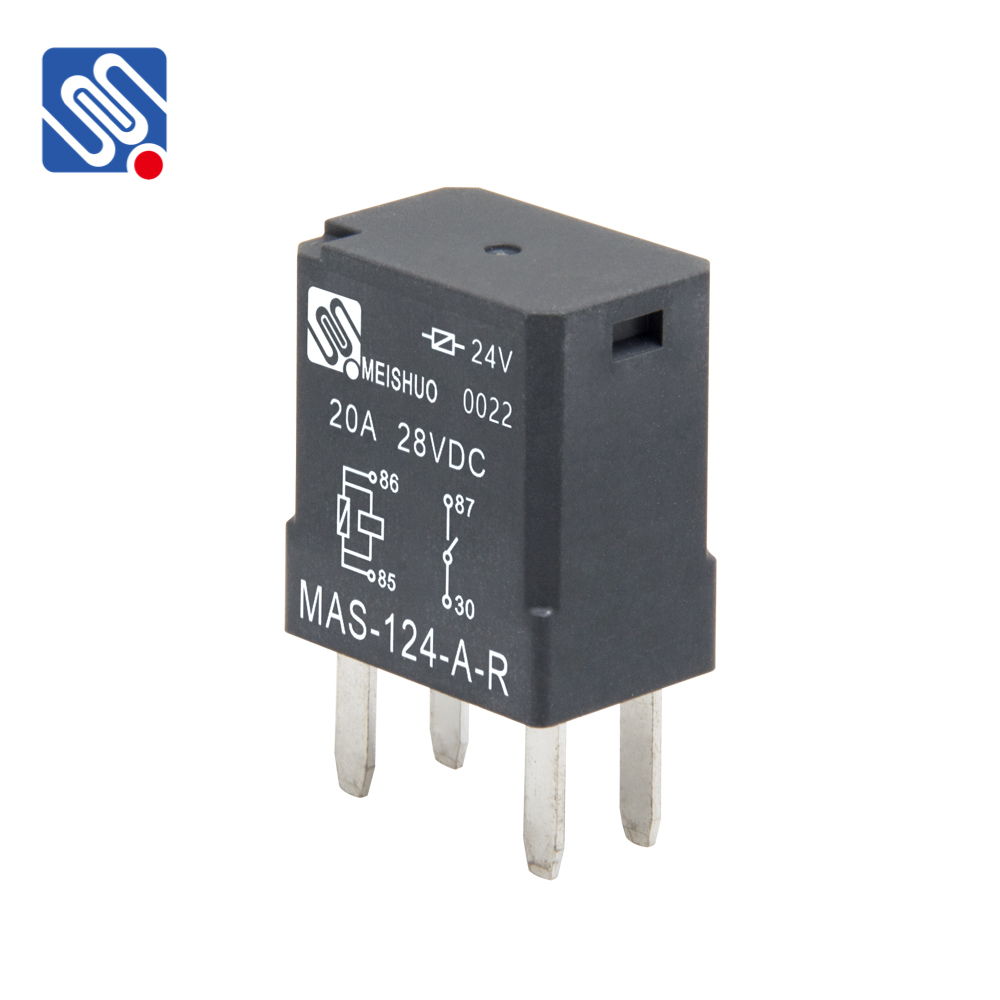
What is a 24V 30A Relay? A 24V 30A relay is an electromagnetic switch that operates at a nominal voltage of 24 volts and can handle a maximum load of 30 amperes. These relays are commonly used in automotive, industrial, and residential applications where control of high-power devices is necessary. The design of these relays allows them to open and close circuits, enabling the control of larger currents without requiring the controlling device to bear the full load. Working Principle
The basic operation of a relay involves an electromagnet that is activated when electricity passes through a coil. This coil generates a magnetic field, which attracts a movable armature. When the armature moves, it either opens or closes one or more sets of contacts, allowing or interrupting current flow to the connected load. For the 24V 30A relay, this means it can be energized by a lower control voltage to switch a load that draws significantly higher current.