In modern plumbing and heating systems, the Hot Water Solenoid Valve plays a crucial role in controlling the flow of hot water with precision and efficiency. This device, while often overlooked, is essential for maintaining optimal performance in various applications ranging from residential heating systems to industrial processes. In this article, we will delve into the functionality, applications, and benefits of hot water solenoid valves.
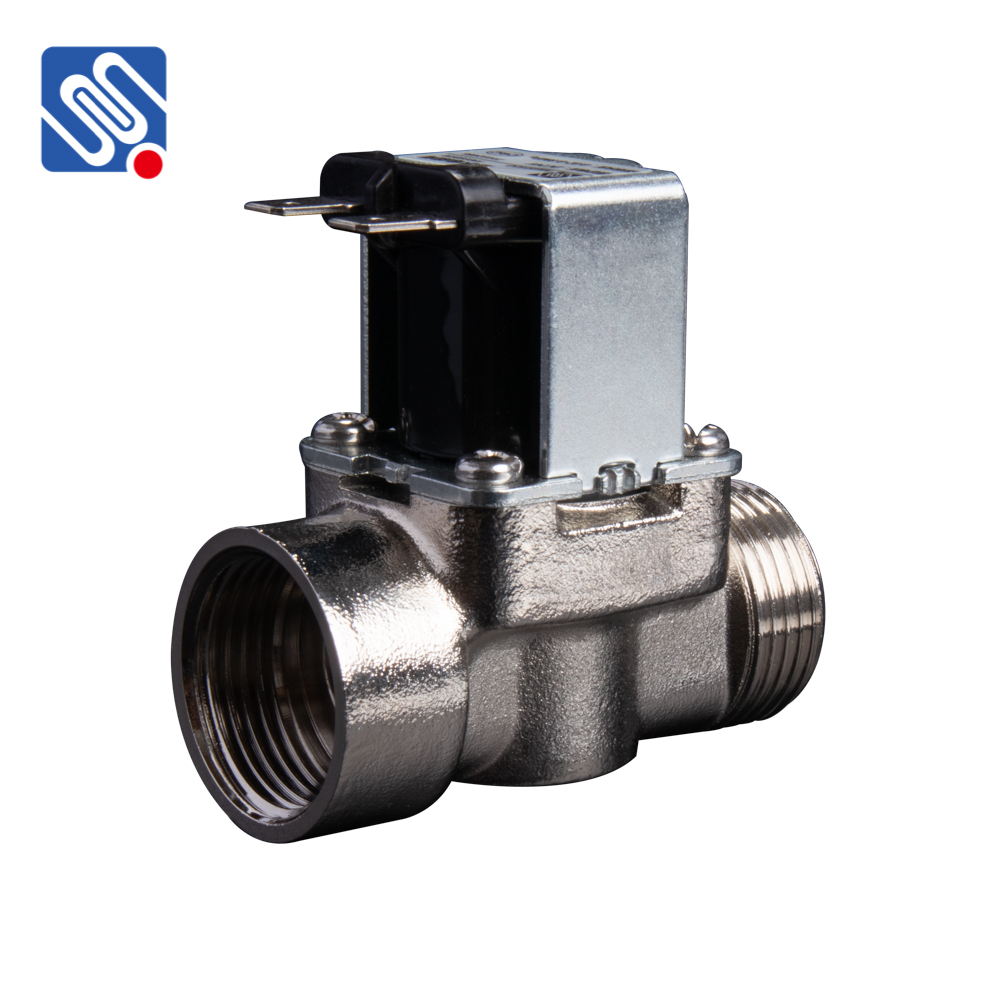
Functionality of Hot Water Solenoid Valve A hot water solenoid valve operates based on the principle of electromagnetism. It consists of a solenoid coil, a valve body, and a movable armature or plunger. When electrical current flows through the coil, it generates a magnetic field that pulls the armature, either opening or closing the valve. This action allows the valve to control the flow of hot water in a piping system. The design of a solenoid valve can vary, including two-way or three-way configurations. A two-way valve has two ports: an inlet and an outlet, controlling the flow to a single line. A three-way valve can direct the flow between two different pathways, allowing more complex control strategies in heating and cooling systems. By simply turning the electrical signal on or off, users can efficiently manage hot water flows.