Relay functional testing plays a critical role in ensuring the proper operation of relays within electrical and electronic systems. Relays are widely used in various applications, including power control, circuit protection, automation, and signal transmission. Given the importance of relays in these systems, it is crucial to thoroughly test their functionality to verify that they perform as expected under different conditions. This article provides an overview of relay functional testing, outlining key testing methods, challenges, and best practices.
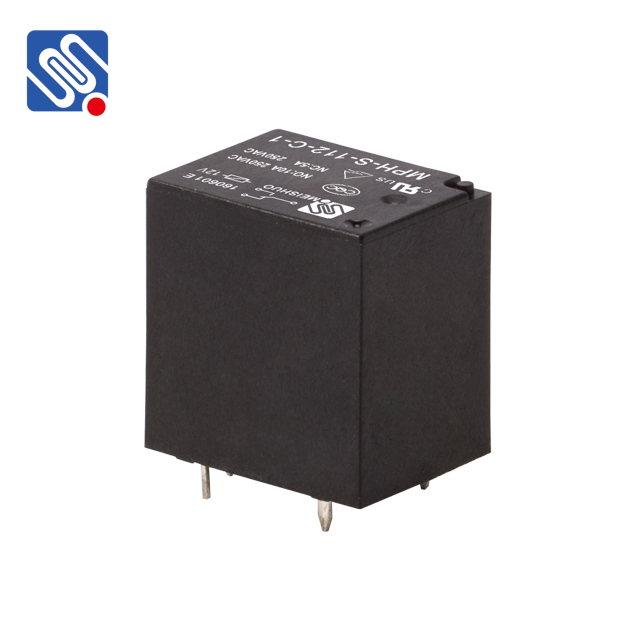
Understanding Relays and Their Importance A relay is an electrically operated switch that controls a circuit by opening or closing contacts in response to a control signal. Relays are often used to switch large voltages or currents with a low-power control signal. They are essential components in a variety of industries, including automotive, telecommunications, industrial automation, and power distribution. Relays are critical for ensuring the safe and efficient operation of circuits, particularly in systems that require switching between high and low power or where remote operation is needed. Their functionality and reliability are paramount to the safety and performance of these systems, making relay testing a necessary step in the development and maintenance of these devices.