Automotive relays are essential components of modern vehicles, playing a vital role in controlling high-power devices such as motors, lights, and other electrical systems. The reliability and efficiency of these components hinge on understanding their specifications, particularly those pertaining to the relay coil. In this article, we will delve into the key specifications of automotive relay coils, focusing on their rated voltage, coil resistance, current, and more.
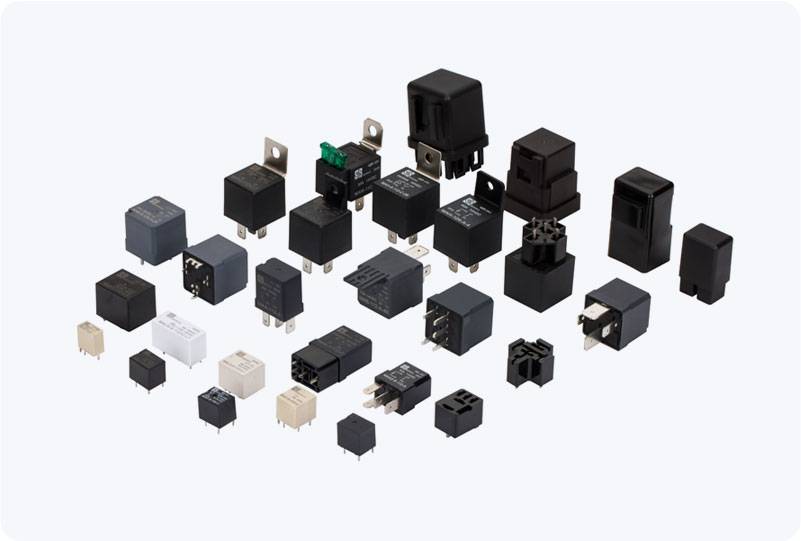
Rated Voltage The rated voltage of an automotive relay coil is one of the most critical specifications to consider. Typically, automotive relays are designed to operate at either 12V or 24V, reflecting the standard voltages in vehicle electrical systems. Most passenger vehicles utilize a 12V system, whereas larger vehicles like trucks and buses might employ a 24V system. Selecting a relay with the correct rated voltage is crucial as using a relay with an incorrect voltage can lead to malfunction or permanent damage. Coil Resistance Coil resistance is another vital specification, denoting the resistance within the relay coil when it is energized. This value, measured in ohms (Ω), plays an integral role in determining how much current the coil will draw once voltage is applied. A lower coil resistance will generally result in a higher current draw, which can impact the overall efficiency of the relay and the entire electrical system if not properly managed. It is also important to consider the power dissipation across the coil to ensure it operates within safe limits.