Temperature Control Relay is an essential device widely used in various fields, from household appliances to industrial automation, for controlling and regulating temperature. By ensuring that systems operate within desired temperature ranges, it helps to protect devices from overheating or freezing, maintain efficiency, and provide safety in critical applications. This article will delve into the working principle, features, and diverse applications of Temperature Control Relays.
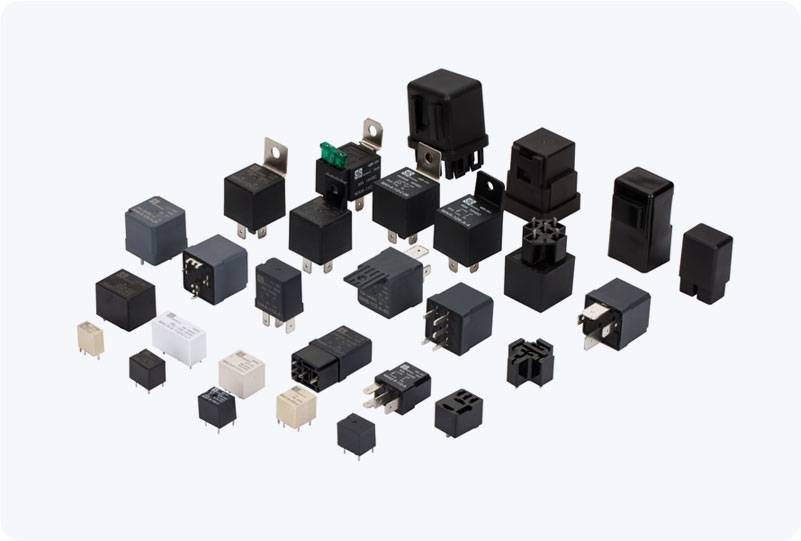
Working Principle of Temperature Control Relay The core function of a Temperature Control Relay is to regulate the temperature of a system by controlling the operation of heating or cooling devices based on preset limits. The system typically includes three main components: a temperature sensor, a control circuit, and the relay itself. Temperature Sensor: This component detects the temperature of the environment or the device to be controlled. Depending on the type of relay, different types of sensors may be used, including thermistors, thermocouples, or RTDs (Resistance Temperature Detectors).