A Normally Closed (NC) Solenoid Valve is a crucial device in fluid control systems, offering precise management of gas and liquid flow. These valves are often used in a wide range of applications, from industrial automation to household appliances, due to their simplicity, reliability, and efficiency. In this article, we will explore the functionality, applications, advantages, and considerations when using NC solenoid valves.
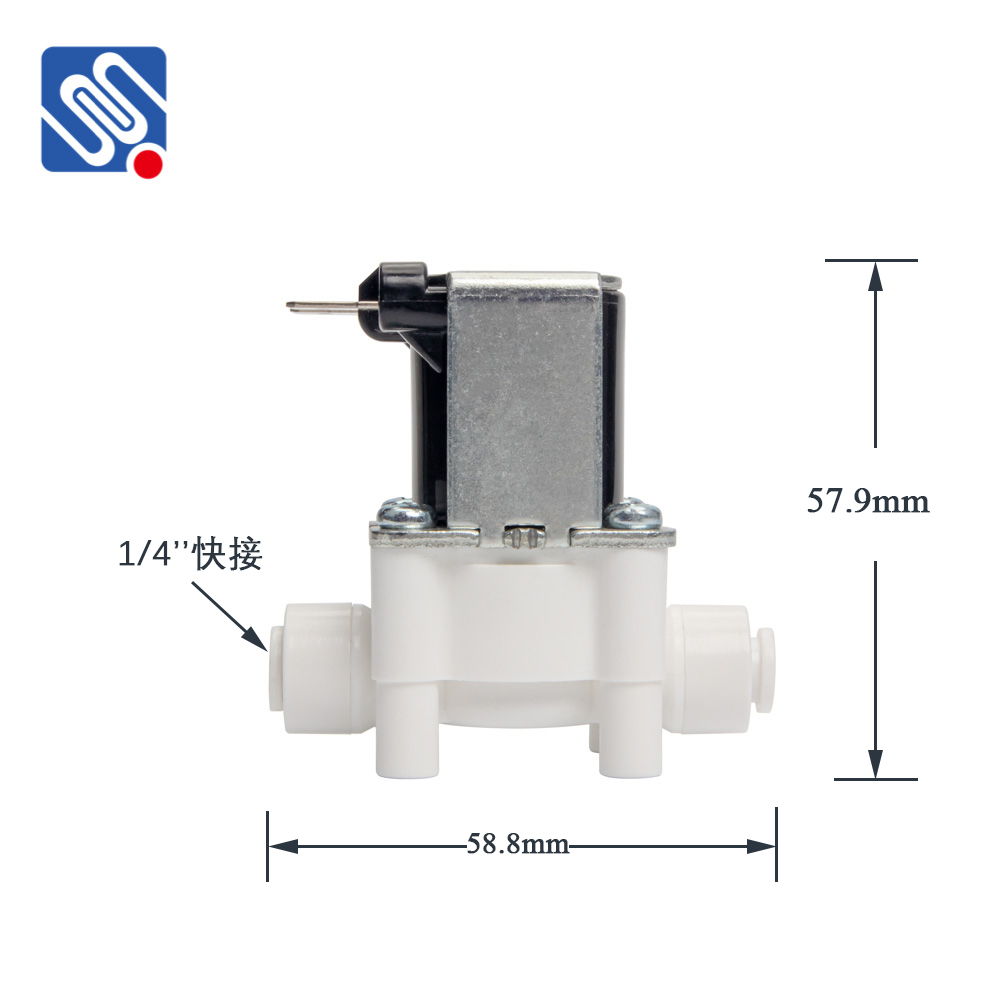
What is a Normally Closed Solenoid Valve? At its core, a Normally Closed Solenoid Valve operates as a type of control valve that stays closed when no electrical power is supplied. The term “normally closed” refers to the valve’s default position. In the absence of electricity, the valve remains shut, and no fluid or gas can pass through. However, once an electric current passes through the solenoid coil, the generated magnetic field pulls a plunger or valve stem, causing the valve to open and allow the fluid to flow. This straightforward operation makes NC solenoid valves an excellent choice for controlling flow in various systems. The valve returns to its closed position when the electrical power is turned off, making it an ideal choice for fail-safe applications where the valve needs to stop flow if power fails.