In modern electrical systems, maintaining safety and reliability is paramount. One crucial component in achieving this is the Ground Fault Protection Relay. This protective device plays a vital role in safeguarding electrical circuits and equipment from the potentially disastrous effects of ground faults. By detecting faults early and responding swiftly, ground fault protection relays help prevent equipment damage, reduce downtime, and enhance the overall security of electrical installations.
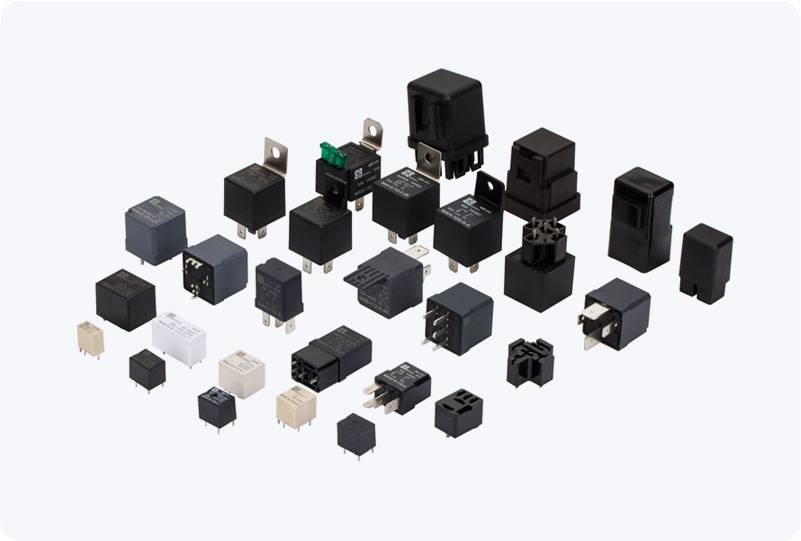
What is a Ground Fault Protection Relay? A Ground Fault Protection Relay (GFPR) is an electrical protection device designed to detect ground faults within electrical systems. Ground faults occur when the current intended to flow through conductors leaks to the ground, usually due to damaged insulation or wiring errors. This abnormal condition can lead to electric shocks, fire hazards, or equipment malfunction. A GFPR detects these faults by monitoring the system’s electrical parameters and responding when an imbalance is detected. Key Functions of Ground Fault Protection Relays Detection of Ground Faults: The primary function of a GFPR is to detect ground faults by measuring the current flowing through the system. When there is a difference in the electrical current between the phase conductors and the neutral or ground conductors, the relay detects the imbalance and triggers the protection mechanism.