A 24V relay is an essential electrical component used in a wide range of systems to control the flow of electricity in circuits. Relays serve as electrically operated switches that allow a low-power electrical signal to control a higher-power circuit. They are vital in automation, control systems, and various industrial applications. In this article, we will explore the fundamental working principles of a 24V relay, its applications, and why it is a preferred choice in many fields.
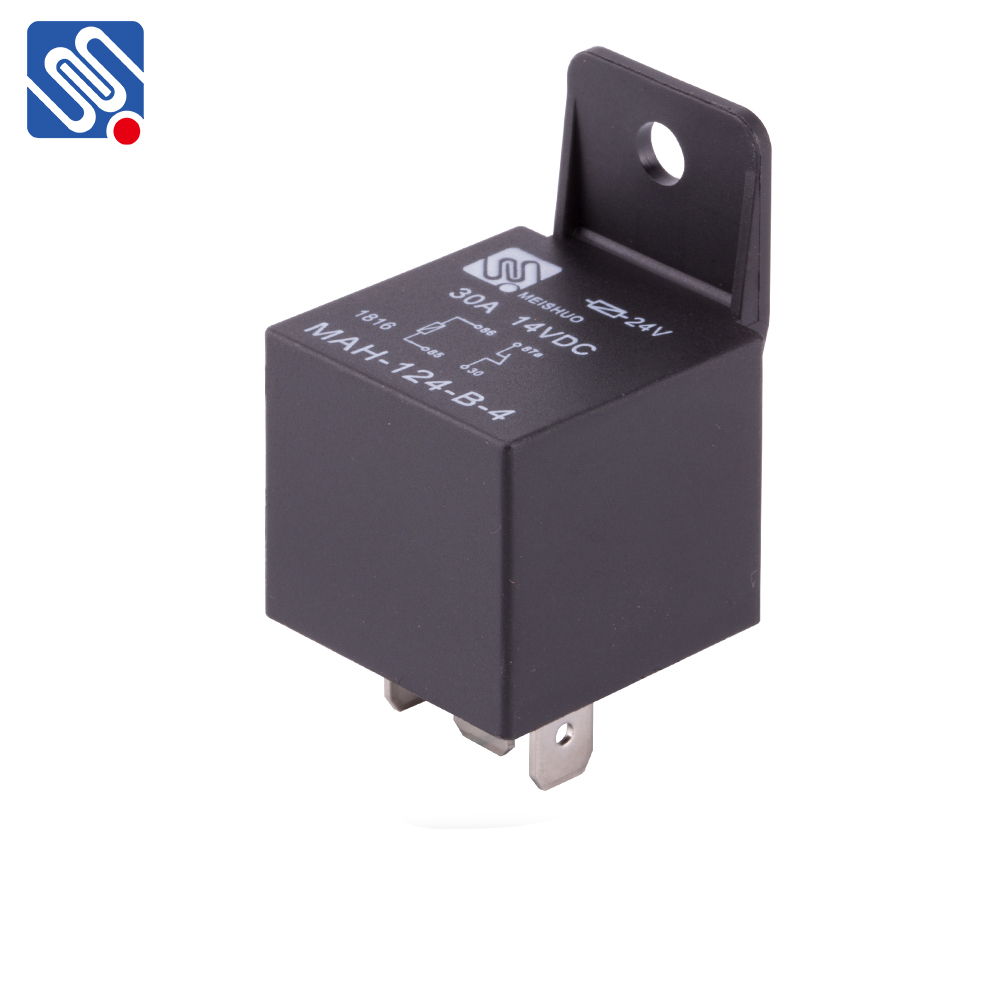
What is a 24V Relay? A relay is a device that uses an electromagnet to operate a set of mechanical contacts. When an electric current flows through the coil of the relay, it generates a magnetic field that pulls or pushes a set of contacts, either closing or opening them. This action allows the relay to control the flow of electricity in the circuit it is connected to. A 24V relay specifically operates on a 24V electrical supply, which can either be DC (Direct Current) or AC (Alternating Current), depending on the type of relay used. The 24V relay can be found in both low-voltage DC circuits and 24V AC systems. The versatility of these relays makes them an ideal choice for controlling circuits in a wide range of applications, from industrial automation to home security systems.