Relay wiring plays a crucial role in modern electrical systems, serving as an essential component for controlling circuits in a wide range of applications. From industrial automation to household appliances, relays are used to switch high-power circuits using low-power control signals. This article explores the fundamental aspects of relay wiring, the different types of relays, their applications, and important wiring techniques that ensure safety and efficiency.
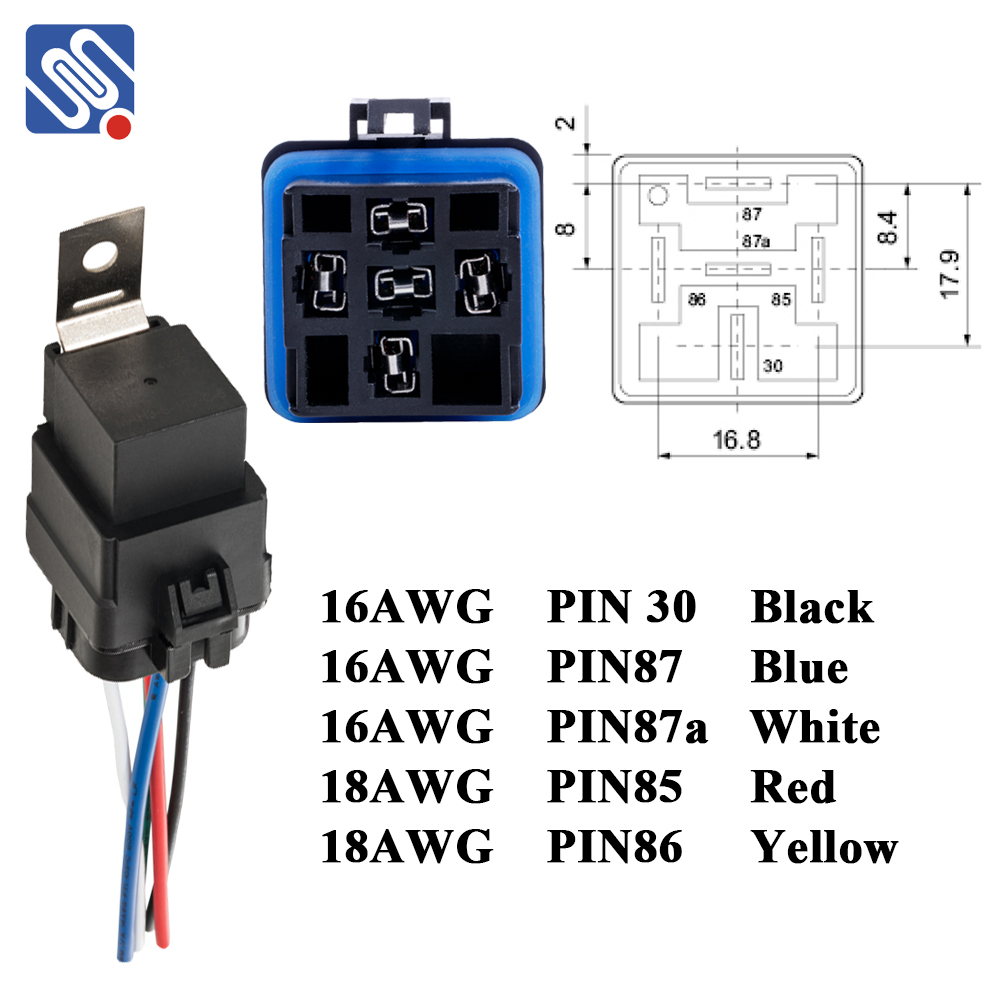
What is a Relay? At its core, a relay is an electrically operated switch that allows the control of a high-power circuit with a low-power signal. It consists of an electromagnet (coil), a movable armature, and contacts that either open or close when the relay is activated. When current flows through the coil, it creates a magnetic field, pulling or releasing the armature to change the state of the contacts. How Relay Wiring Works Relay wiring refers to the way in which a relay is connected to the control and load circuits. A relay typically has at least four terminals: two for the coil and two for the switch (often referred to as the Common, Normally Open (NO), and Normally Closed (NC) terminals). Understanding how to wire a relay correctly is vital to ensure that the relay functions as intended.