In modern industrial settings, the paramount concern is ensuring the safety and well-being of personnel. One critical practice that significantly enhances workplace safety is the implementation of lockout/tagout (LOTO) procedures, specifically in the context of electrical equipment. The concept of an Electrical Equipment Lockouts factory centers on the production, use, and understanding of lockout devices used to secure energy sources and protect workers during maintenance activities. This article explores the significance, impact, and operational elements of the Electrical Equipment Lockouts factory.
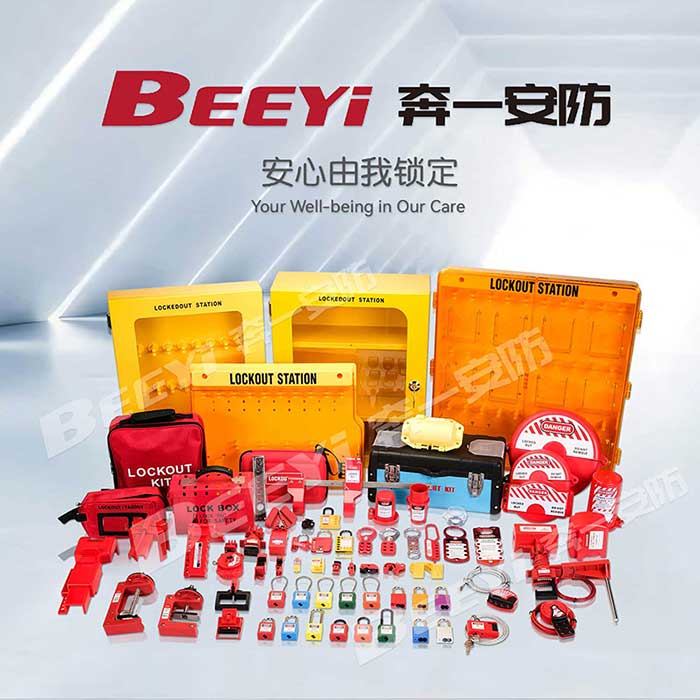
The Concept of Lockout/Tagout Lockout/tagout procedures are crucial in industrial environments where machinery is repaired or serviced. The primary purpose of LOTO is to prevent accidental activation or the release of hazardous energy while employees perform maintenance or repair tasks. The term “lockout” refers to the use of lock mechanisms to isolate energy sources, while “tagout” involves the placement of a warning tag on the device to inform others that the equipment is not to be operated. In an Electrical Equipment Lockouts factory, a variety of locking devices are produced and standardized, ensuring that organizations have the necessary tools to implement effective safety measures. These range from padlocks and lockout hasps to specialized lockout devices for circuit breakers and electrical panels.