Relay load is an essential concept in electrical engineering and automation, serving as a bridge between control systems and operational devices. Relays are electromechanical switches that allow a low-power control signal to regulate a higher power circuit, making them invaluable in various applications, from simple household appliances to intricate industrial machinery. This article aims to explore the principles behind relay load, its applications, and important factors to consider when selecting and implementing relays in different systems.
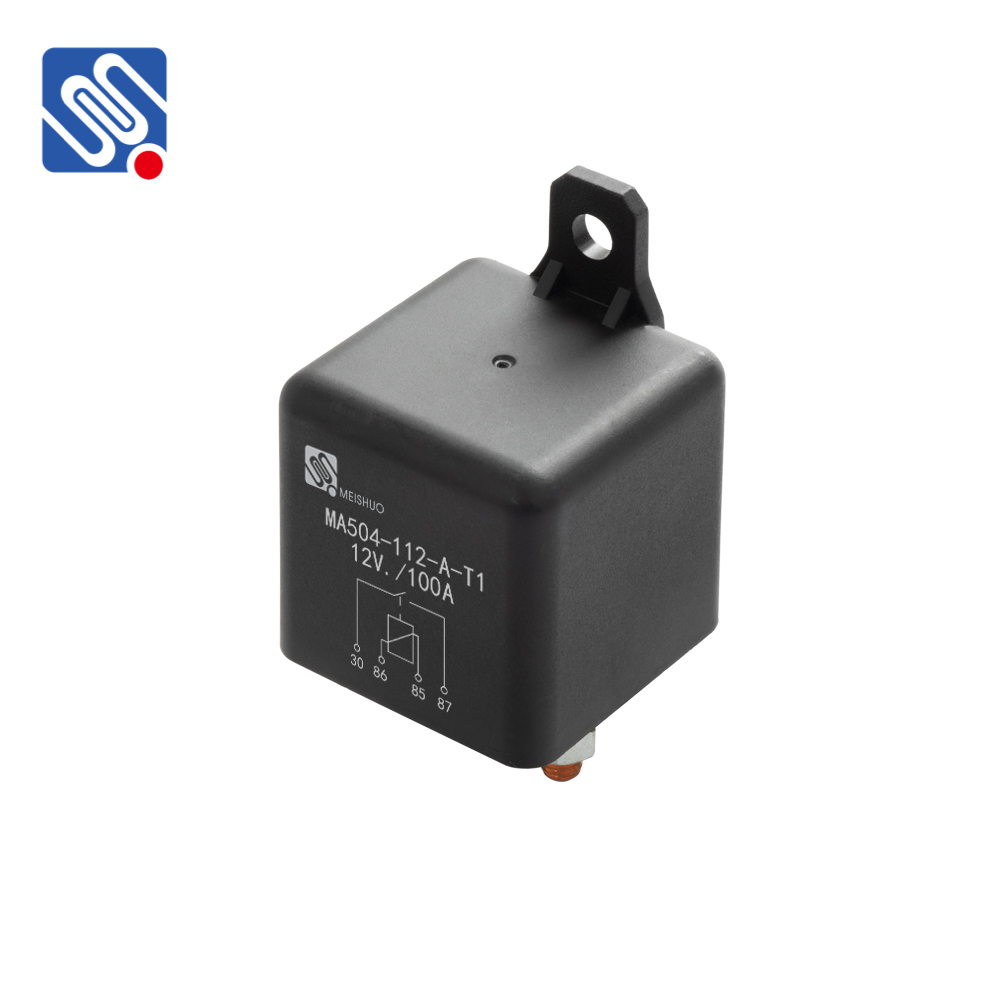
What is a Relay? A relay consists of an electromagnet and a set of contacts. When a control signal passes through the relay’s coil, it creates a magnetic field that attracts a movable armature. This movement either closes or opens the contacts, allowing or interrupting the flow of electricity in the connected load circuit. The primary benefit of using a relay is isolation; it enables a low-voltage signal to control a high-voltage supply safely and effectively. Types of Relays There are various types of relays designed for different functions and applications: Electromechanical Relays (EMR): The most common type that uses mechanical parts to function. They are robust but can wear out over time.