As the world gravitates towards sustainable transportation, the electric vehicle (EV) market is witnessing unprecedented growth. A crucial component in this transformative journey is the DC charging station relay, a vital element that ensures safe and efficient charging of electric vehicles. This article delves into the functionalities, features, applications, and future trends of DC Charging Station Relays, emphasizing their importance in the evolving landscape of electric mobility.
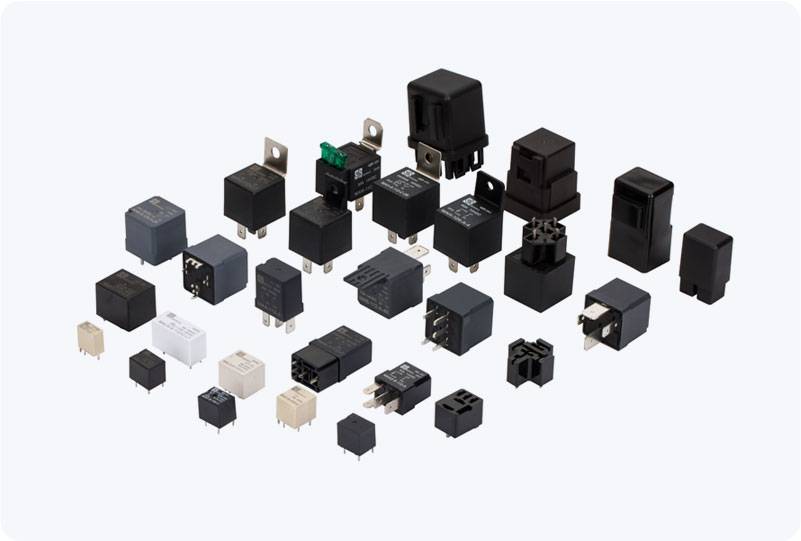
What is a DC Charging Station Relay? A DC Charging Station Relay is an electromechanical switch that manages the flow of electric current between the charging station and the electric vehicle. Unlike traditional alternating current (AC) charging stations, DC fast chargers deliver power directly to the vehicle’s battery, significantly reducing charging times. The relay’s primary role is to control and safeguard this power transmission while ensuring that the charging process is efficient and secure. Key Functions and Responsibilities Current Management: One of the primary functions of a DC charging station relay is to regulate the current during charging. By controlling the current flow, the relay helps optimize charging speeds based on the vehicle’s requirements. This adaptability is crucial since different EVs have varying charging capabilities.