In industrial settings, safety is of utmost importance, especially when employees work around heavy machinery and electrical systems. One critical safety program designed to protect workers during maintenance and servicing tasks is Lock Out Tag Out (LOTO). Central to this program are Lock Out Tag Out locks, designed to ensure that energy sources are effectively isolated and that machinery cannot be accidentally operated while maintenance personnel are working. This article explores the significance of LOTO locks, their types, and their implementation in ensuring workplace safety.
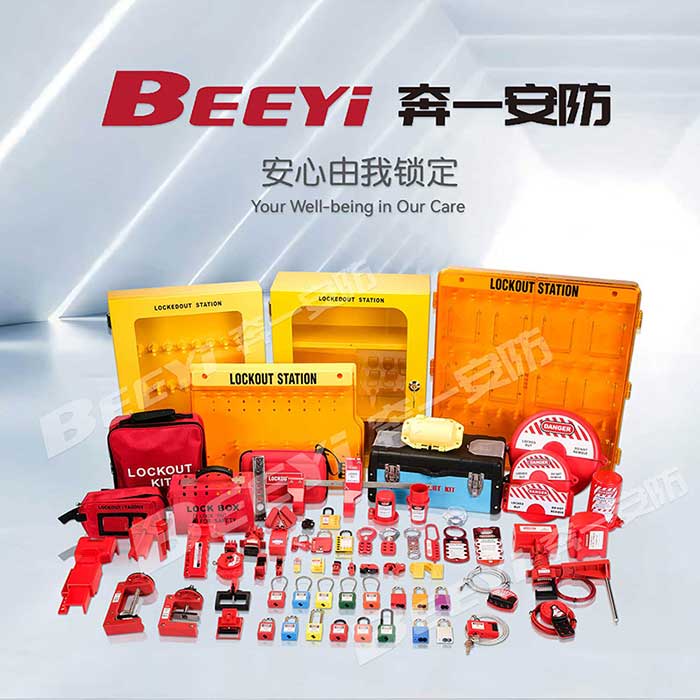
The Importance of Lock Out Tag Out Locks Lock Out Tag Out locks play a vital role in the LOTO process, which prevents accidental machine start-up and the release of hazardous energy during maintenance. According to the Occupational Safety and Health Administration (OSHA), the failure to implement LOTO procedures can lead to severe workplace injuries and even fatalities. With machinery often operating under high pressure or with complex electrical systems, the risks associated with unexpected activation are significant. How Lock Out Tag Out Works The LOTO process involves several key steps, starting with identifying all potential energy sources for a machine or piece of equipment. The next step is to shut down the equipment and disconnect its power supply. This is where Lock Out Tag Out locks come into play. By placing a lock on the energy-isolating device (such as a circuit breaker or valve), authorized personnel ensure that the equipment cannot be restarted until the lock is removed.