Relay assembly plays a crucial role in modern electrical systems, functioning as a vital component for enabling the control and automation of various devices and processes. This article explores the significance of relay assembly, the types of relays available, the assembly process, applications, and key considerations for effective implementation.
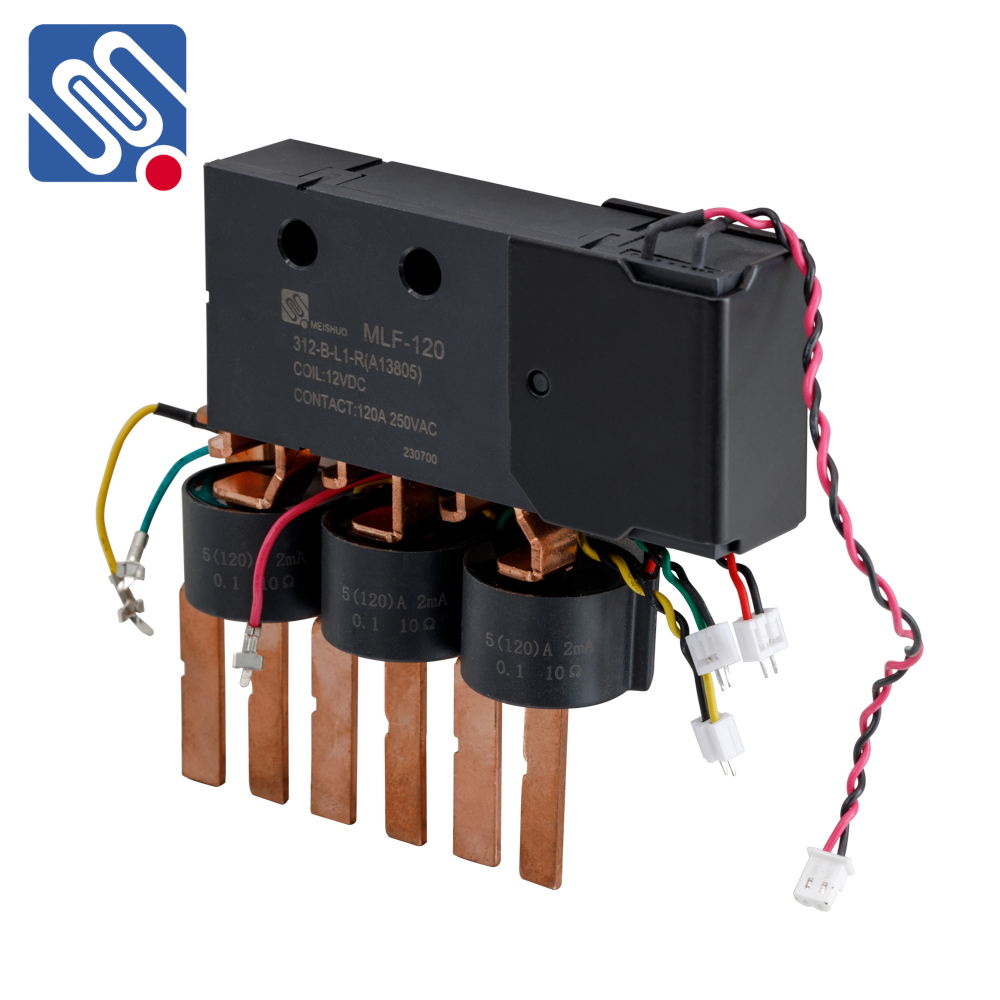
What is Relay Assembly? Relay assembly refers to the systematic installation and configuration of relays within an electrical circuit. A relay is essentially an electromechanical switch that opens and closes circuits electromechanically or electronically. The primary function of relays is to control a high power circuit with a low power signal, making them indispensable in various applications ranging from household appliances to industrial machinery. Functionality of Relays The primary functions of relays include: Circuit Switching: Relays can switch on or off circuits, allowing a low voltage control signal to manage a high voltage load.