Relay technology is an essential component in the realm of electrical engineering and automation. As a type of electromagnetic switch, relays control circuits by using low-power signals to manage high-power devices. Despite being one of the oldest forms of electrical control, relay technology remains relevant in various applications, from industrial automation systems to household appliances. This article explores the fundamental principles of relay technology, its types, applications, advantages, and future trends.
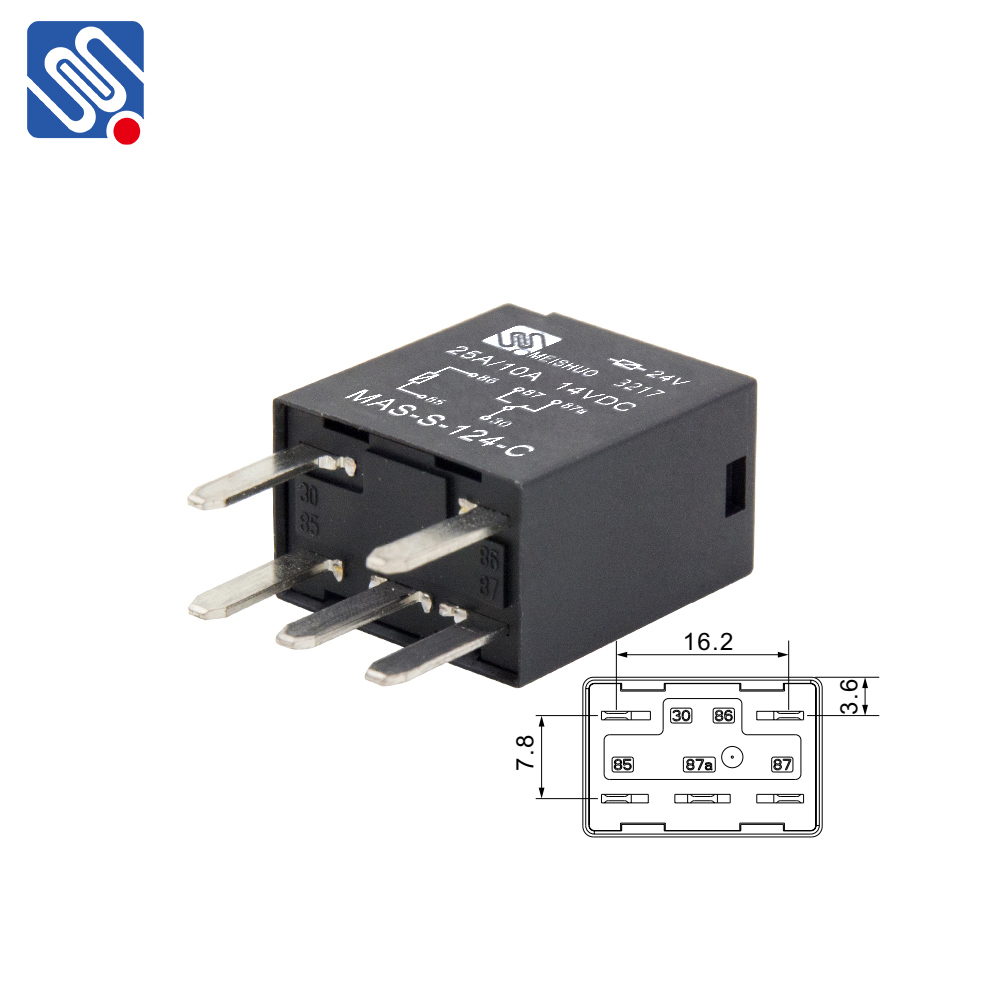
Understanding Relay Technology A relay is essentially a switch operated by electricity. It comprises an electromagnet, an armature, and contacts. When an electrical current passes through the coil of the electromagnet, it generates a magnetic field that pulls the armature towards it, either closing or opening a set of contacts. This switching action allows a low-voltage circuit to control a high-voltage circuit, effectively acting as an interface between two systems with different electrical characteristics. Types of Relays Electromechanical Relays (EMR): These traditional relays use mechanical movements to open or close contacts. EMRs can handle various loads and are widely used in applications requiring on/off control.