A relay circuit is a fundamental building block in electrical engineering and electronics. It serves as an electromechanical device that facilitates the control of one electrical circuit by another, making it an invaluable tool in various applications. This article will delve into the workings, types, components, applications, and significance of relay circuits, highlighting their importance in modern technology.
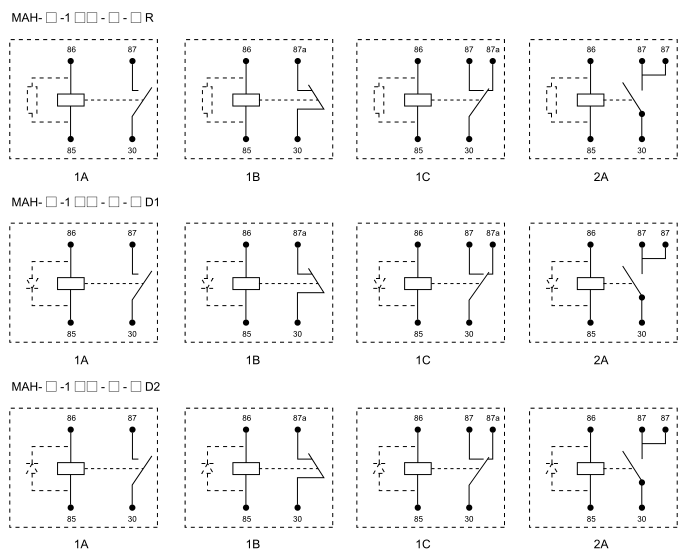
Understanding Relay Circuits At its core, a relay circuit comprises a relay, which is an electromechanical switch that allows the control of a high-power circuit with a low-power signal. The operation of a relay revolves around an electromagnetic coil that, when energized, creates a magnetic field to physically move a movable armature. This movement causes the contacts to either open or close, thus enabling or disabling the flow of current through the controlled circuit. Components of a Relay Circuit A typical relay circuit consists of several key components: Coil: The coil is made of copper wire and is responsible for generating a magnetic field when electrical current passes through it. The coil’s resistance and inductance determine how it behaves during operation.