The WCB Electric Single Seat Regulating Valve is a versatile and essential component in many industrial systems, particularly in applications where precise control of fluid flow, pressure, or temperature is crucial. This type of valve combines mechanical engineering with electric actuation, offering a reliable solution for automated process control. In this article, we will explore the key features, working principle, advantages, and applications of the WCB Electric Single Seat Regulating Valve.
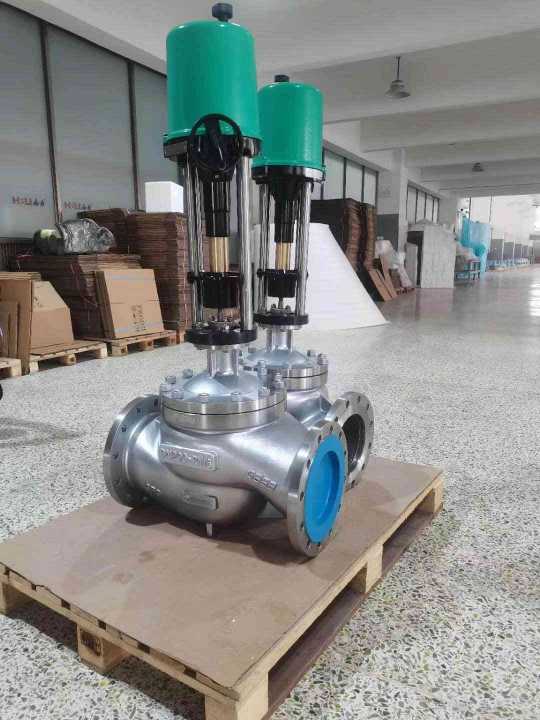
What is a WCB Electric Single Seat Regulating Valve? The WCB Electric Single Seat Regulating Valve is a type of control valve designed to regulate fluid flow in various industrial processes. “WCB” refers to the material of the valve body, which is typically cast carbon steel, ensuring durability and resistance to corrosion. “Electric” indicates that the valve’s actuator is electrically powered, allowing for automated and precise control of the valve’s position. The term “single seat” refers to the valve’s structure, where a single sealing surface is used to control the flow of fluid through the valve.