In modern electrical systems, especially those that involve high voltages and significant energy storage, safety and reliability are paramount. One crucial component that plays a vital role in achieving these objectives is the precharge relay. This device is commonly found in applications such as electric vehicles (EVs), renewable energy systems, and industrial machinery, where high-capacity batteries and capacitors are prevalent. In this article, we will delve into the workings, applications, advantages, and importance of the precharge relay in various electrical systems.
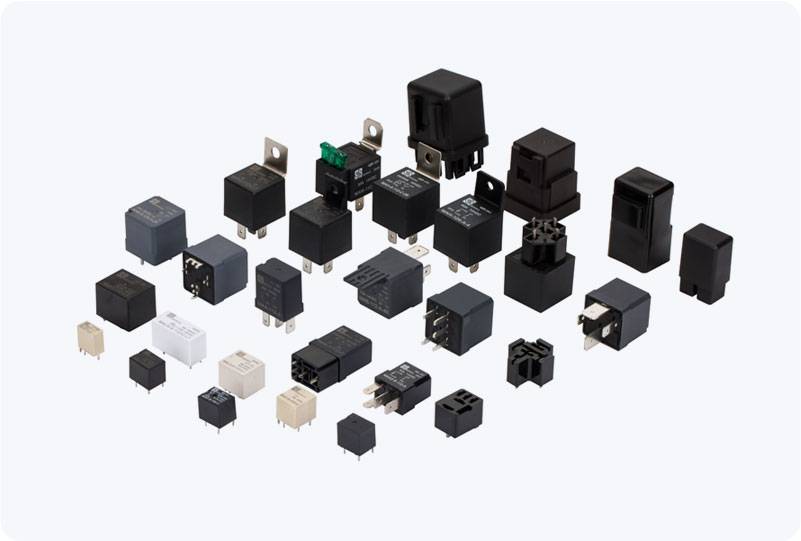
What is a Precharge Relay? A precharge relay is an electromechanical switch that controls the charging of capacitors or components in a circuit prior to the main system being energized. Its primary function is to allow a small current to flow through a limited resistance to gradually charge capacitors to a predetermined voltage level before the complete circuit is connected. This is particularly relevant in situations where immediate application of full voltage could result in damaging power surges or electrical arcing. How Does a Precharge Relay Work? The operation of a precharge relay typically follows these steps: