Relay type selection plays a pivotal role in the design and implementation of electrical systems and automation controls. The appropriate relay not only enhances the operational efficiency of these systems but also ensures their reliability and safety. In this article, we will explore the fundamental aspects of relay type selection, covering the different types of relays, key parameters to consider, and the significance of environmental factors in making the optimal choice.
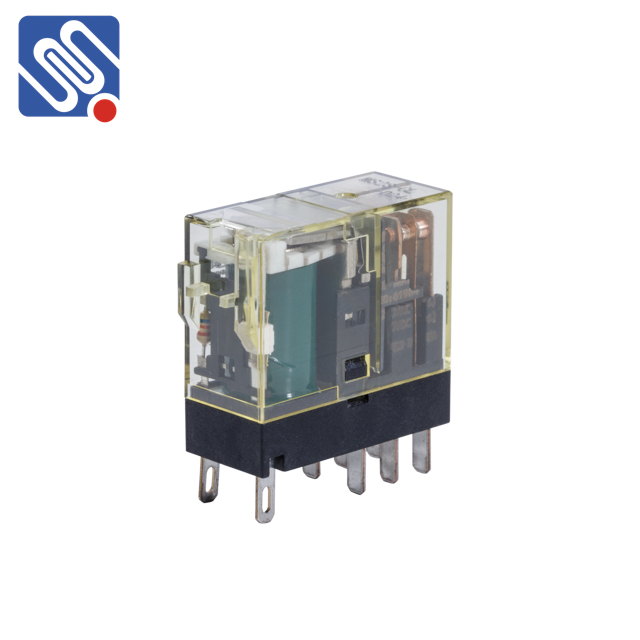
Understanding Relay Types To effectively select the right relay, it is crucial to understand the basic types available. The most common types include: Electromagnetic Relays (EMR): These relays operate on the principle of electromagnetism. When an electrical current passes through the coil, it generates a magnetic field that moves the armature to open or close the contacts. EMRs are suitable for low-frequency applications and are the traditional choice for many switching operations.
Solid State Relays (SSR): Unlike EMRs, SSRs use semiconductor devices to perform the switching function. This design offers several advantages, including faster switching times, no mechanical wear, and greater durability. SSRs are particularly effective in high-frequency applications and environments where vibration is a concern.