A High Flow Solenoid Valve is an essential component in various industrial applications that require the control of high volumes of fluid or gas. These valves are designed to provide a precise and reliable means of regulating flow rates in systems that demand high throughput. Whether in pneumatic, hydraulic, or water treatment systems, High Flow Solenoid Valves play a critical role in managing flow dynamics and ensuring efficient operation. In this article, we will explore the design, applications, and benefits of these valves, highlighting their importance in modern engineering systems.
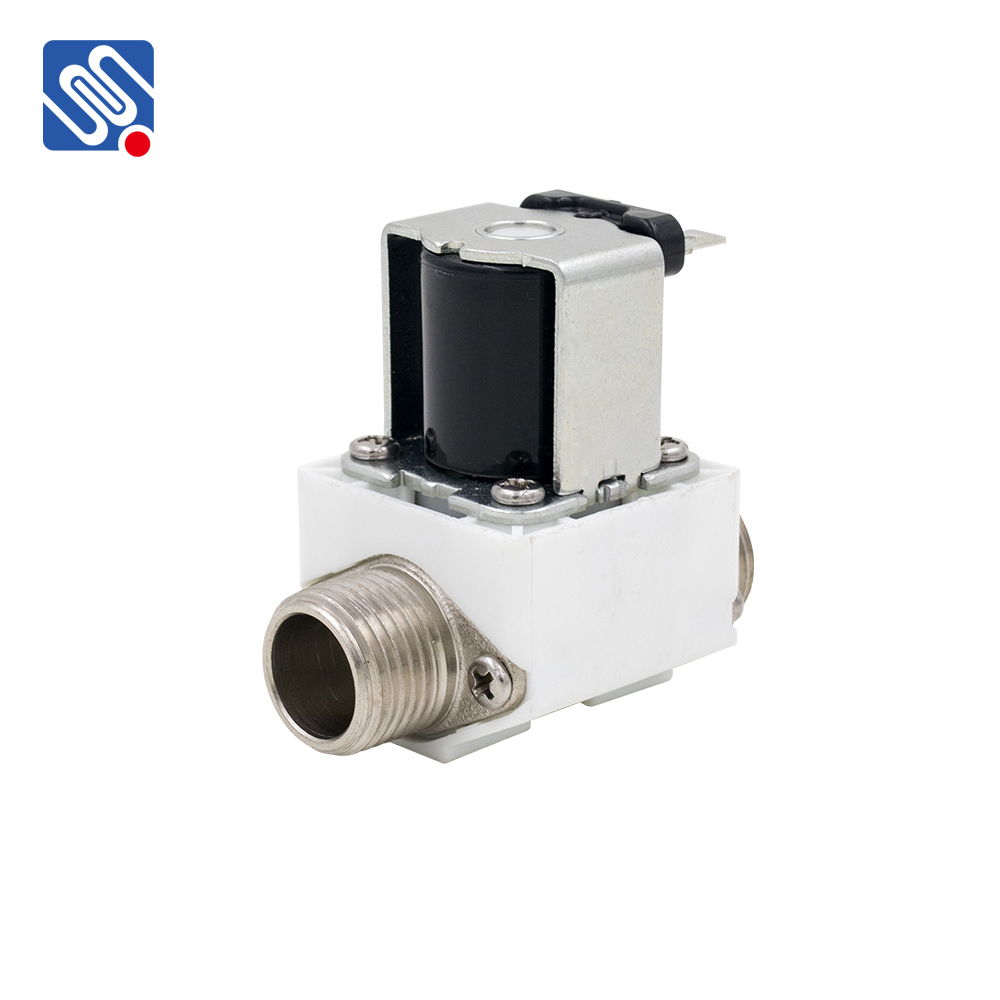
What is a High Flow Solenoid Valve? A solenoid valve is an electromechanical valve that controls the flow of liquids or gases in a system using an electric current to drive the valve mechanism. The solenoid coil is activated when an electrical current passes through it, creating a magnetic field that either opens or closes the valve. The high flow variant of this valve is specifically designed to handle large flow rates, making it suitable for applications where high volumes of fluids need to be regulated quickly and efficiently. The key feature of a high flow solenoid valve is its ability to accommodate a larger flow capacity compared to standard solenoid valves. This is achieved by designing valves with larger orifice sizes, stronger solenoid coils, and materials capable of withstanding the higher pressure and flow demands.