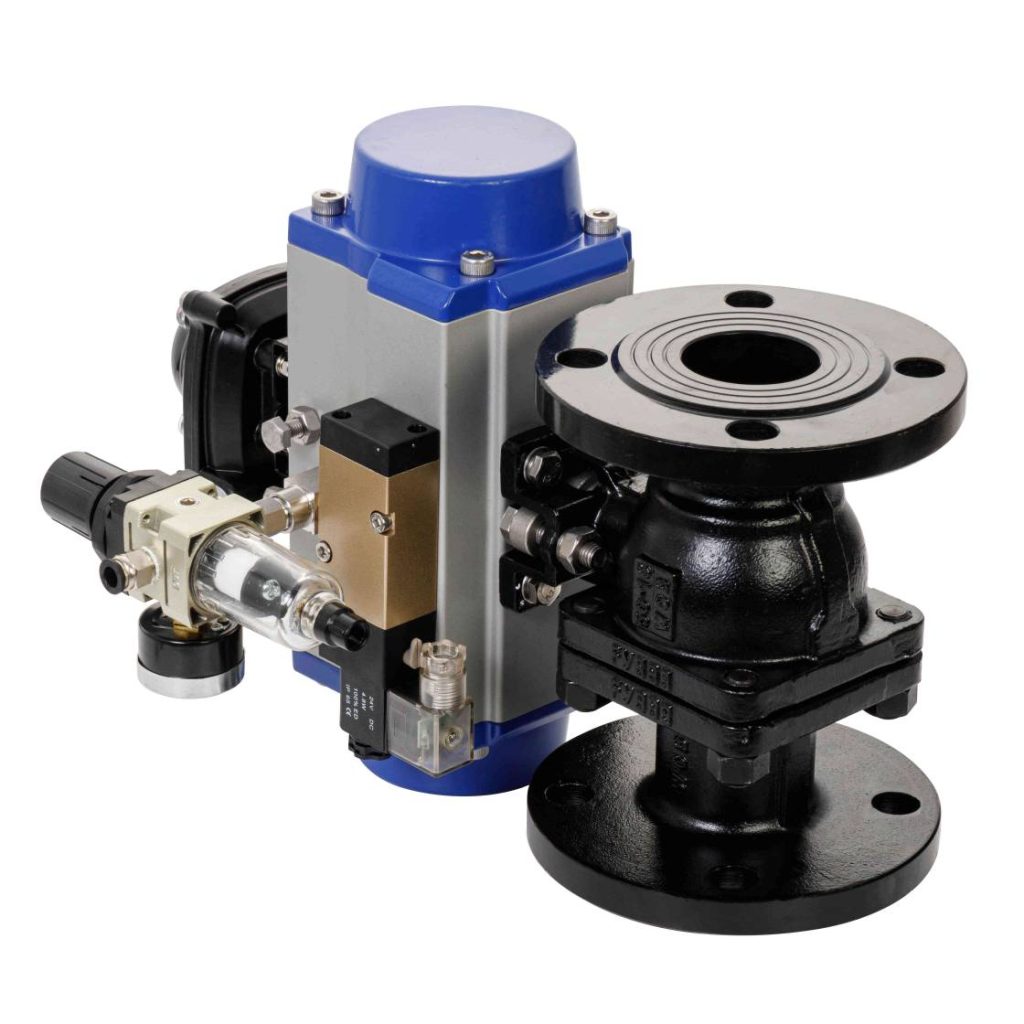
In the ever-evolving landscape of industrial automation and fluid control, the stainless steel pneumatic ball valve has emerged as a pivotal component in various applications. Renowned for its robust design, unparalleled efficiency, and ease of automation, this type of valve is an optimal choice for a wide range of industries, including chemical processing, food and beverage production, pharmaceuticals, and water treatment. This article explores the key features, advantages, and applications of stainless steel pneumatic ball valves, emphasizing their significance in modern industrial practices.
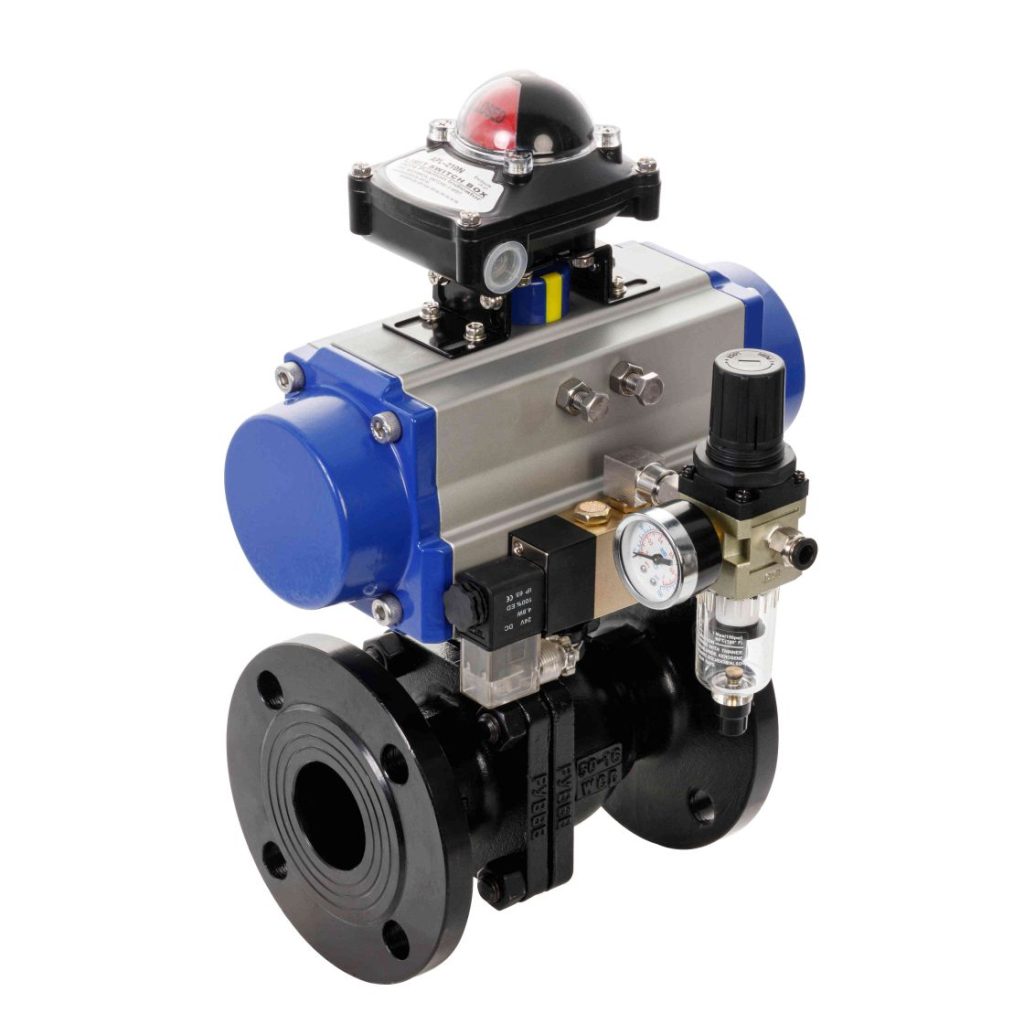
Key Features
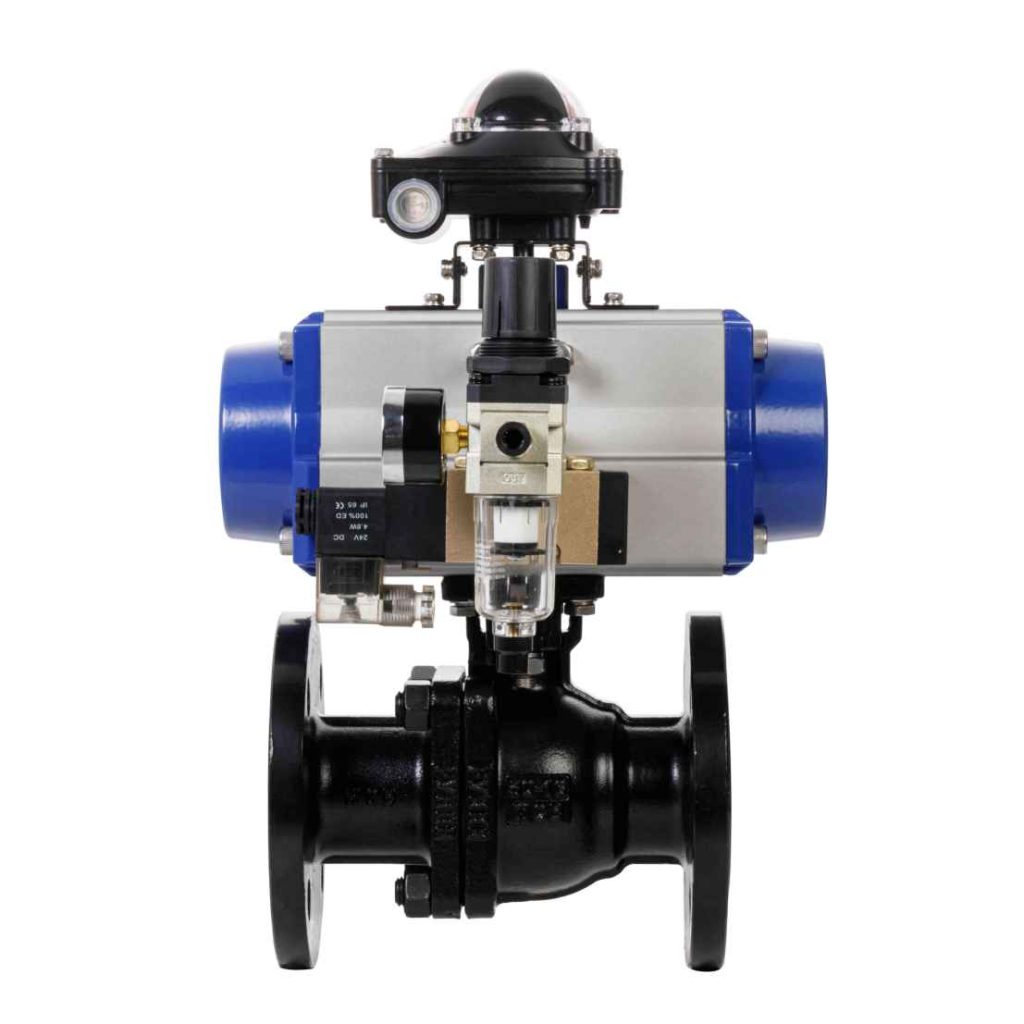
At the core of the stainless steel pneumatic ball valve is its unique construction that combines functionality with durability. Made primarily of 304 or 316 stainless steel, these valves possess excellent resistance to corrosion, making them suitable for use in harsh environments where exposure to chemicals and moisture is prevalent. The choice of stainless steel not only enhances their longevity but also allows them to maintain a clean and sanitary profile, especially crucial in food and pharmaceutical applications. The central mechanism of this valve type consists of a hollow ball that pivots within the valve body. When the ball’s port aligns with the valve’s inlet and outlet, fluid flows freely; conversely, when the ball is rotated 90 degrees, the flow is completely obstructed. This simple yet effective design enables quick and efficient control over fluid flow, which is essential for automated systems.