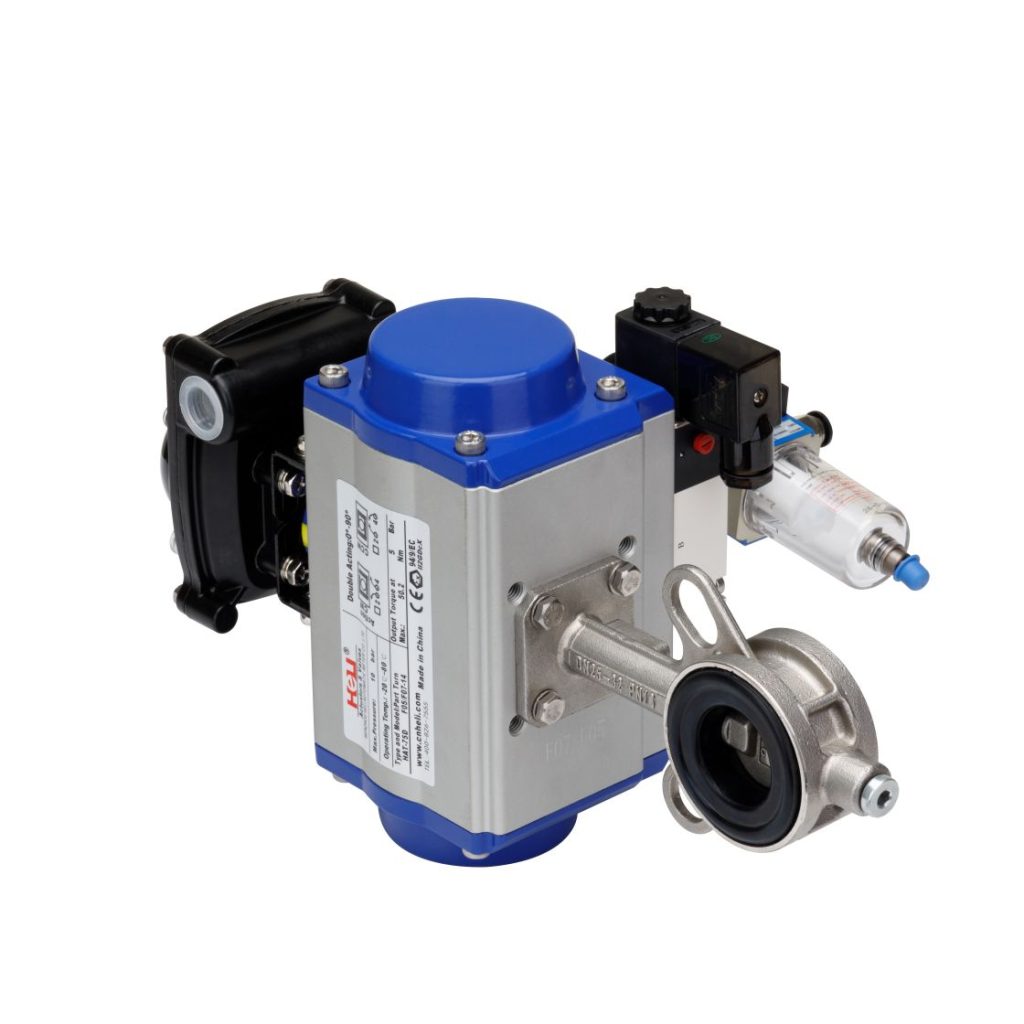
In the ever-evolving landscape of technology, the lithium-ion battery stands as a groundbreaking innovation, powering devices from smartphones to electric vehicles. Alongside this advancement, the need for efficient and reliable fluid control systems has become pivotal, especially in the manufacturing and handling of lithium batteries. One essential component that has emerged in this context is the Lithium Battery Pneumatic Butterfly Valve. This article delves into the significance, functionality, applications, advantages, and maintenance considerations of these valves in various industries.
What is a Lithium Battery Pneumatic Butterfly Valve?
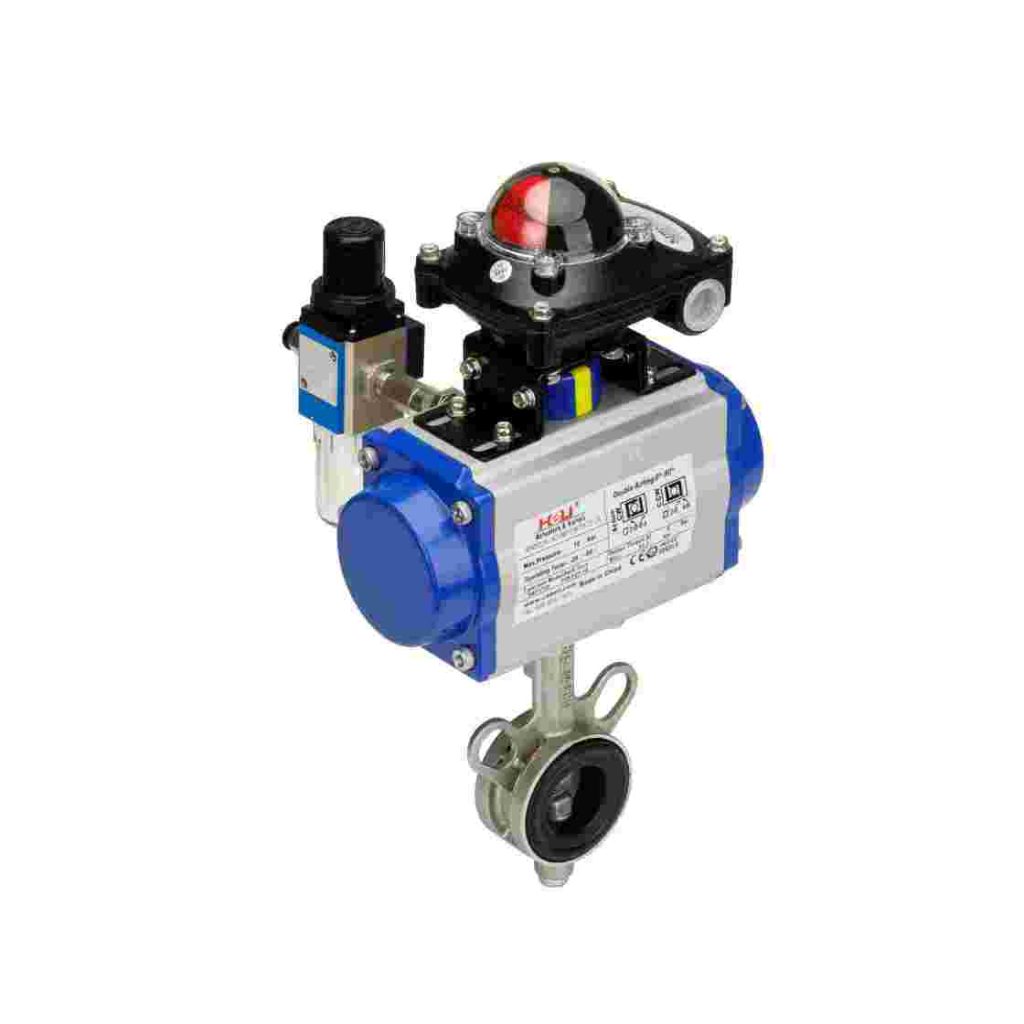
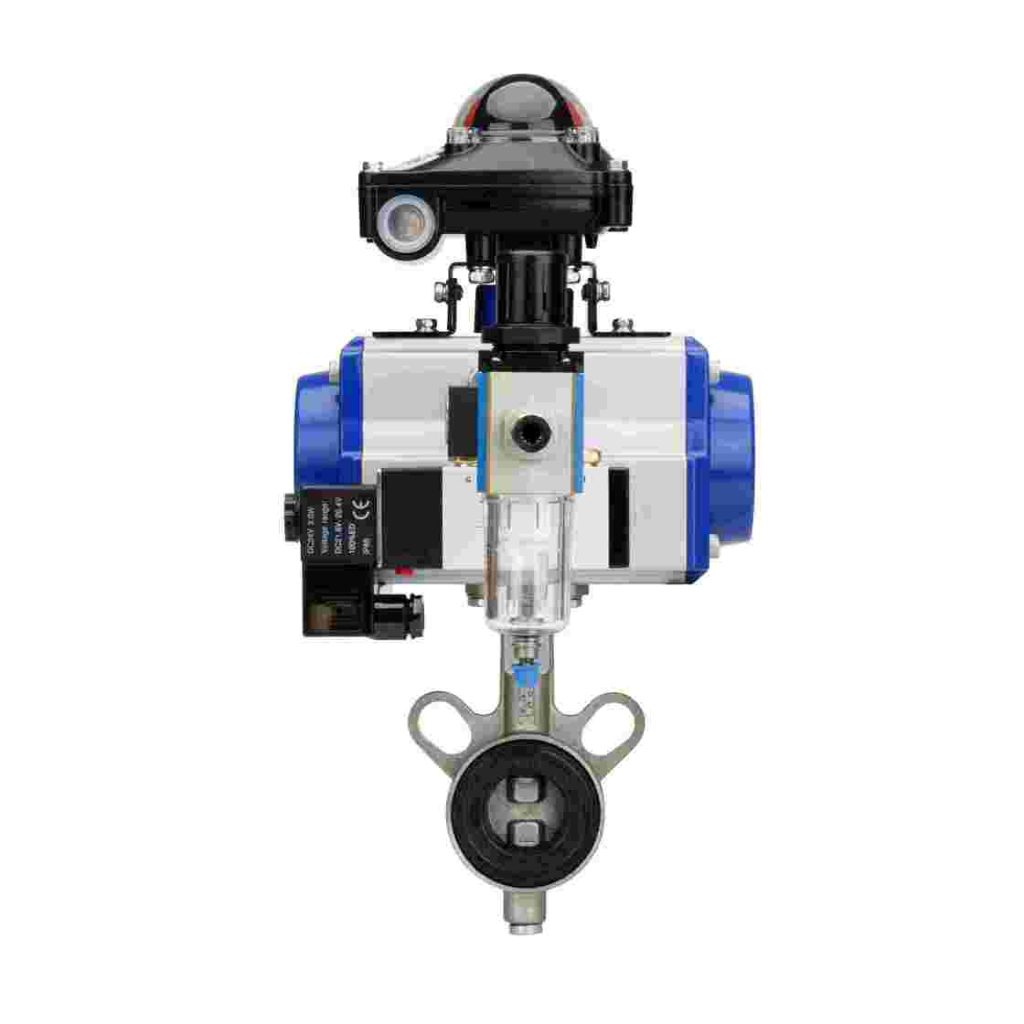
A lithium battery pneumatic butterfly valve is a specific type of valve used to control the flow of liquids and gases in processes related to lithium battery production and maintenance. The valve operates pneumatically, meaning it is operated using compressed air. It comprises a simple, disc-shaped blade or “butterfly” that rotates within a pipe or duct to either restrict or allow fluid flow. This design enables rapid and efficient flow control, making it an indispensable part of automated systems in battery production. Key Functionality The primary function of a pneumatic butterfly valve in lithium battery applications is to regulate fluid flow involving critical materials, such as electrolytes and battery chemicals. These valves respond quickly to changes in demand, ensuring that manufacturing processes remain efficient and uninterrupted. When actuated, the valve rotates 90 degrees, either fully opening or completely shutting off the flow of material. This rapid response is crucial in maintaining process control and safety, especially in environments where the handling of volatile substances is routine.