The 24V 10A relay is a versatile and essential component in various electrical and electronic systems. Known for its reliability and efficiency, this relay is commonly used in industrial automation, home appliances, and automotive applications. In this article, we will explore the characteristics, applications, and advantages of the 24V 10A relay, providing insights into why it is a preferred choice for many circuits.
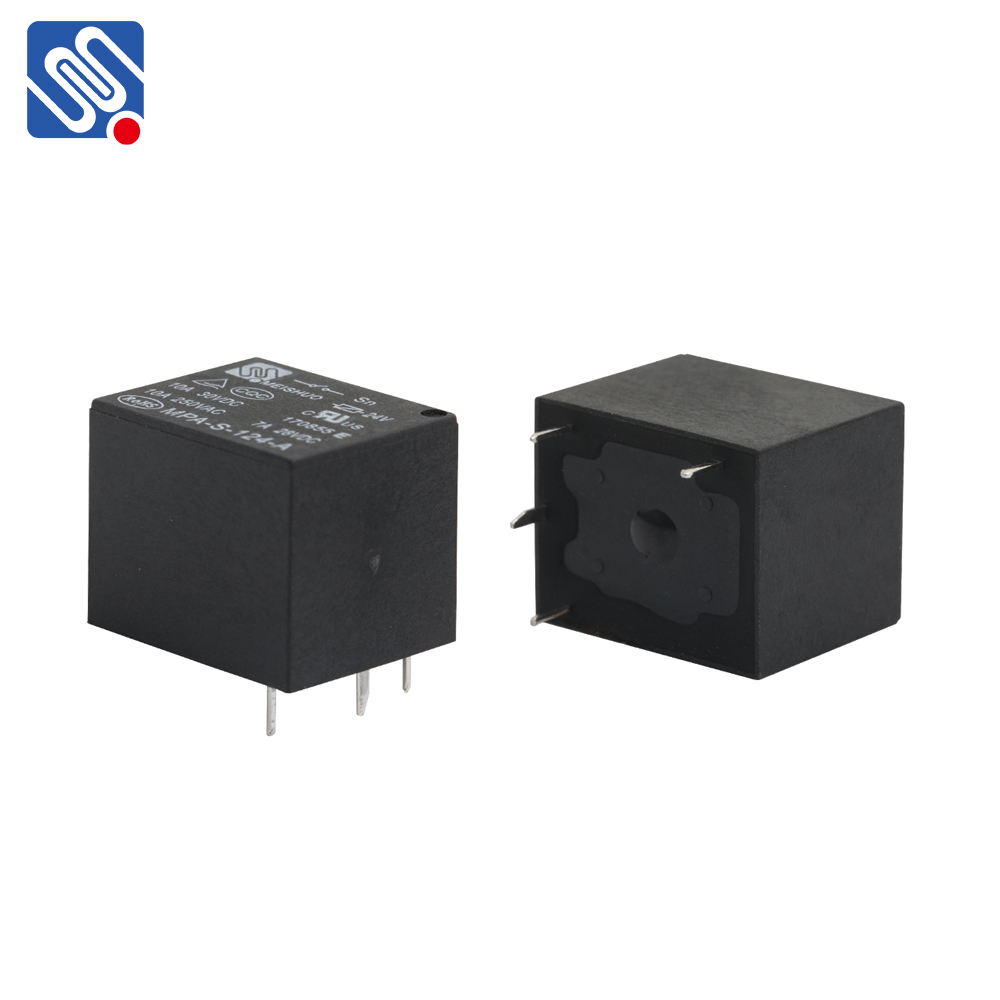
What is a Relay? At its core, a relay is an electrically operated switch that allows one circuit to control another, enabling control over high-power or high-voltage devices without connecting them directly. The 24V 10A relay specifically refers to a relay that operates on a 24-volt DC supply and can handle a current rating of up to 10 amps on its contacts. This configuration makes it suitable for a variety of applications where moderate power switching is required. Key Features of the 24V 10A Relay Operating Voltage: The relay operates at a nominal voltage of 24V, typically used in low-voltage control circuits. This makes it compatible with a wide range of systems, particularly in industrial settings.